

12 May Services Offered at Your Local Allergy Clinic
An allergy clinic is a medical practice that manages allergic and asthmatic conditions. These clinics often see people with symptoms linked to seasonal allergens, foods, insect stings, medications, pet dander, mold, and dust mites. Their goal is to help people understand possible triggers and discuss practical options for symptom management and emergency preparedness. To provide effective care, an allergy clinic offers services like diagnostic testing, treatment planning, medication review, and follow-up care. Here’s information on the different allergy services offered at allergy and asthma clinics:
Allergy Testing
Allergies are immune system responses to substances that are harmless to most people. These substances are called allergens and may include pollen, certain foods, animal dander, or insect venom. At a high level, allergies occur when the immune system identifies an allergen as a threat and reacts to it, but the exact reasons they develop vary from person to person.
Family history, environment, and patterns of exposure may all play a role in why someone has allergic reactions. Allergy testing is used to identify substances that may be causing symptoms. A clinic may begin with a medical history, a symptom review, and a physical exam, and these steps help guide the testing process. The two most common testing methods include skin testing and blood testing.
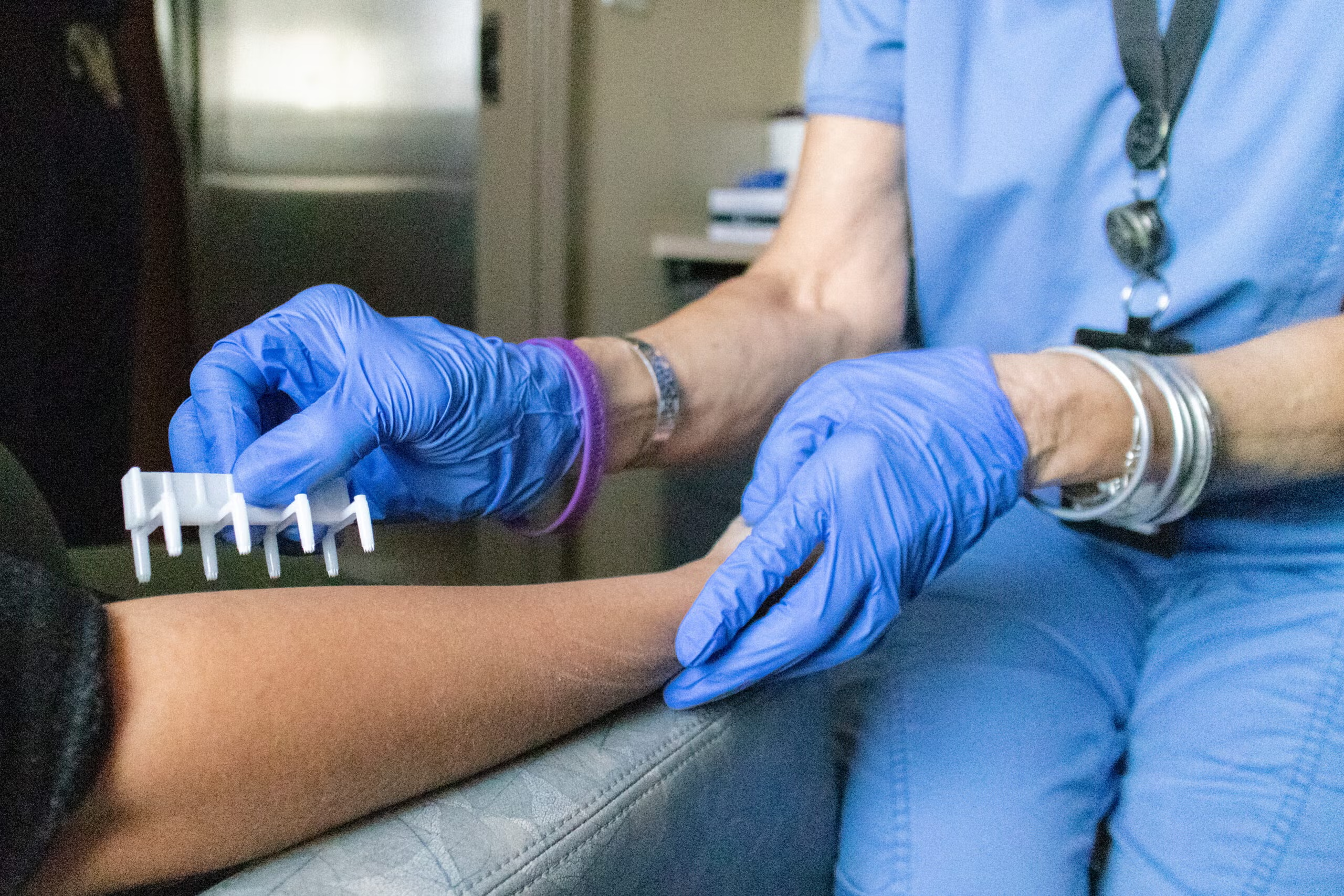
In a skin prick test, small amounts of suspected allergens are placed on the skin to check for a localized reaction. Blood tests measure certain antibodies associated with allergic responses. In some cases, a clinic may also discuss patch testing for contact reactions or supervised challenge testing when appropriate. Testing does not answer every question, but it can provide useful information when interpreted alongside an individual’s health history. A local allergy clinic can explain what each test measures, what its limits are, and how results are used in care plans.
Allergy Treatments
Allergy clinics often offer several treatment approaches based on the type of allergy, symptom pattern, age, and the patient’s health history. One common approach is allergen avoidance education. This may include guidance on reducing exposure to pollen, dust mites, pet allergens, or foods that appear to trigger reactions. Clinics may also discuss immunotherapy for certain patients; immunotherapy aims to adjust the body’s response to specific allergens over time.
Allergy shots are one form of immunotherapy and are typically given on a regular schedule in a monitored medical setting. Some clinics also offer sublingual immunotherapy for selected allergens. These options are not right for everyone, so the clinic will review personal risks, timing, and follow-up needs before starting treatment. Treatment plans are often adjusted over time, but regular follow-up visits help track symptoms and update recommendations. An allergy clinic may also coordinate care with a primary care physician or another specialist when symptoms overlap with:
- Asthma
- Skin Conditions
- Sinus Concerns
Allergy Medications
Medication management is another core service offered at many allergy and asthma clinics. A clinician will review current over-the-counter and prescription medicines to see how they fit into an overall care plan. Depending on a patient’s symptoms and health history, a clinic may discuss antihistamines, nasal sprays, eye drops, inhaled medicines, or topical treatments. For individuals at risk of severe allergic reactions, clinics usually prescribe epinephrine injections for emergency use.
Epinephrine injection devices are commonly recommended for certain food or insect-sting allergies, as well as for prior anaphylactic reactions. Patients are taught when to use the medication and how to carry it properly, and they may also receive a written action plan for emergency situations. Medication discussions also cover side effects, timing, storage, and possible interactions. The purpose of this review is to support safe and informed use.
Contact an Allergy Clinic Today
If allergy symptoms are affecting your daily life, a local allergy clinic can provide structured evaluation and guidance. Their services commonly include testing, treatment planning, medication review, and education about prevention and emergency response. A clinic can help clarify possible triggers and outline your options for ongoing management. To learn more about your allergy services, contact an allergy and asthma clinic today, and manage your reactions effectively.
Sorry, the comment form is closed at this time.