

13 May Platelet Rich Plasma Therapy for Healing Soft Tissue Injuries
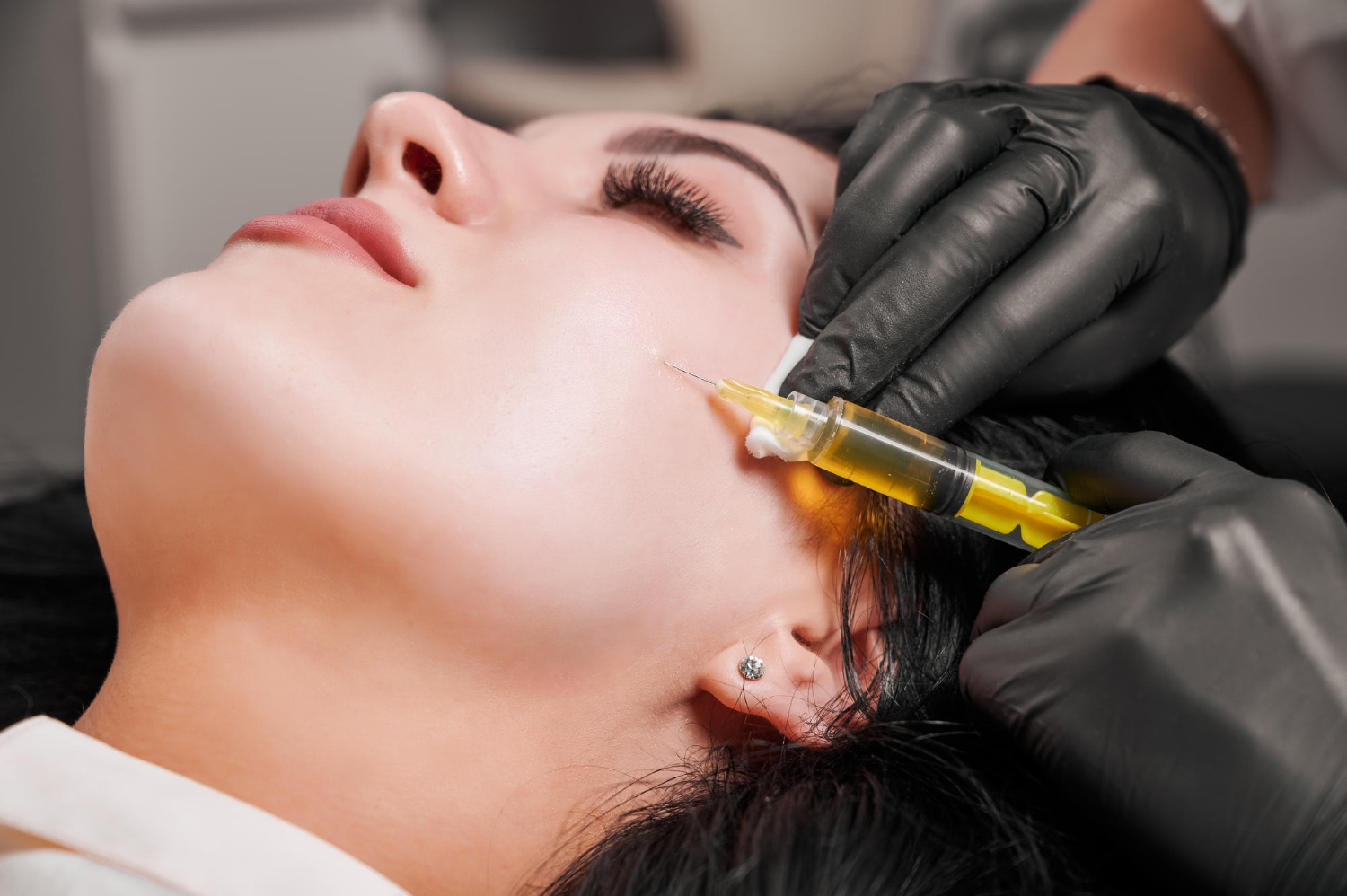
Platelet rich plasma therapy, or PRP therapy, is a treatment that uses a sample of someone’s own blood. A clinician processes the blood to separate and concentrate platelets, which are small blood components involved in normal tissue repair. The platelet-rich portion is then injected into the area being treated. PRP therapy is used in some pain management plans to treat soft-tissue injuries affecting tendons, ligaments, and muscles. Here’s information on platelet rich plasma therapy and how it supports soft tissue injury recovery:
Reducing Chronic Pain
Soft tissue injuries can cause lasting discomfort when tissue remains irritated after a strain, overuse injury, or partial tear. Pain from these problems commonly limits movement and makes routine tasks harder to manage. Some common soft-tissue injuries include tendon injuries of the:
- Shoulder
- Elbow
- Knee
- Ankle
The goal in pain management is to support function and reduce ongoing symptoms, but treatment plans vary by patient. A specialist may review how long the pain has been present, where the injury is located, and whether imaging or a physical exam indicates soft-tissue damage.
Platelet rich plasma therapy is sometimes recommended when someone’s symptoms persist despite rest, activity modifications, physical therapy, or other conservative care. PRP does not replace a full evaluation, and it is not used the same way for every condition. Some people may be better suited for exercise-based rehabilitation, medication management, or other procedures. Careful assessment helps determine whether PRP is appropriate and whether another approach should come first.
Encouraging Healing
Soft tissue structures often heal more slowly because they have limited blood supply, especially in some tendons and ligaments. PRP is used to place a concentrated portion of an individual’s own platelets near the injured tissue, aiming to support the body’s normal repair response. Before treatment, a clinician will draw a small amount of blood and place it in a centrifuge. The machine separates the blood into layers, allowing the platelet-rich portion to be collected. The prepared PRP is then injected into the treatment area, and image guidance may be used to improve placement. After a PRP therapy session, people receive instructions about rest, activity limits, and follow-up care.
Lowering Treatment Risks
Progress is monitored throughout the treatment sessions, as responses to this therapy differ from person to person. PRP may be appropriate in some cases, but it may not be suitable for every patient or every soft tissue problem. This is why clinicians must assess symptoms, function, and physical reactions to keep care plans effective and safe.
PRP is a low-risk pain management treatment because it uses an individual’s own body components. Since the material comes from the patient’s own blood, the risk of certain reactions associated with foreign substances may be lower. PRP is still a medical procedure, so standard precautions must remain.
Risk discussion is part of informed decision-making. A specialist will review a person’s medications, bleeding risk, infection concerns, and the condition of the injured area before proceeding. PRP procedures should be performed by a qualified medical professional, and patients should have clear instructions about what to expect before and after treatment. Injection-based treatments can involve temporary soreness, bruising, or irritation at the treatment site, but these usually go away on their own.
Get Platelet Rich Plasma Therapy
PRP therapy is a regenerative medicine option that may be recommended for certain soft-tissue injuries; it aims to promote healing by using your own blood. This therapy’s role depends on the nature of your injury, your prior treatments, and your overall care plan. To learn more about PRP therapy and how it may benefit you, contact a pain management specialist today. They can determine if this or another therapy is appropriate for your condition.
Sorry, the comment form is closed at this time.