

07 Apr What You Should Know About The Link Between Asthma and Air Quality
Asthma is a chronic respiratory condition that can be influenced by a wide range of environmental factors, including the quality of the air people breathe each day. Pollutants, allergens, smoke, and other airborne irritants may worsen symptoms or increase the risk of flare-ups, especially for individuals with sensitive airways. Understanding how air quality affects asthma can help patients take practical steps to reduce exposure and better manage their condition.
Identifying Outdoor Triggers
Monitoring outdoor air pollution provides key data for daily respiratory management. The environment contains multiple particulates, and these elements fluctuate across seasons. Here are some of the triggers in outdoor air that can worsen asthma:
- Particulate matter: These microscopic particles originate from vehicle exhaust and construction sites and penetrate deep into the lungs.
- Ozone pollution: Ground-level ozone forms rapidly on hot days, and the gas irritates the respiratory tract.
- Pollen counts: Trees and weeds release pollen during seasonal changes, introducing widespread environmental challenges.
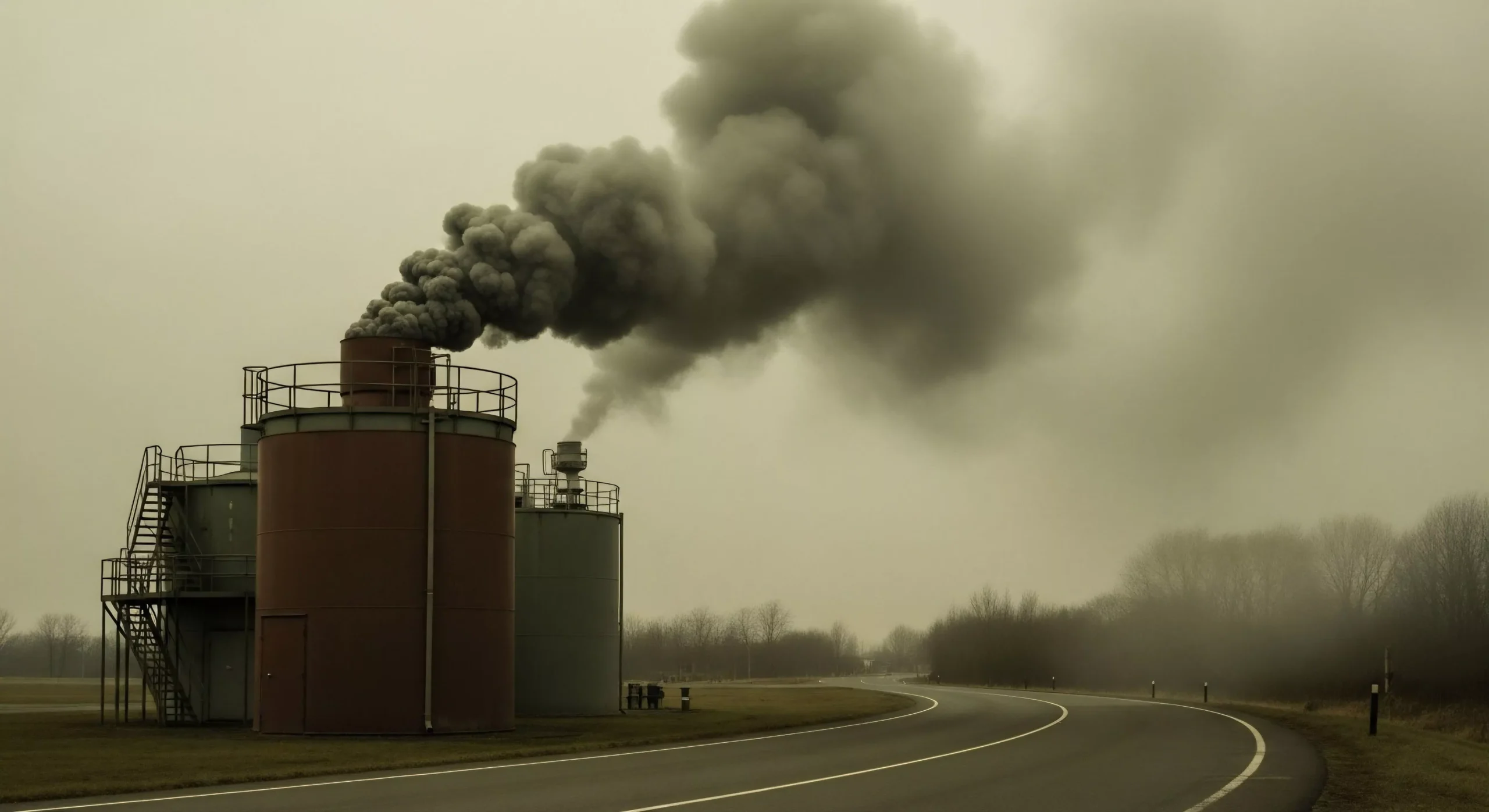
- Industrial emissions: Factories release chemical compounds into the local atmosphere, degrading general air quality.
You must evaluate these outdoor factors before planning extended outdoor activities. The daily weather report often includes air quality indexes, and this information can guide safe scheduling.
Managing Indoor Air Problems
Indoor environments hold various unseen elements that influence respiratory stability. Dust mites gather in carpets, and pet dander often settles on furniture surfaces. While outdoor pollution receives significant attention, indoor air quality requires equal observation. Household cleaning products sometimes release volatile organic compounds into the air. These chemicals linger in poorly ventilated spaces, creating prolonged exposure risks. Natural cleaning alternatives offer safer options for the home, but you must always verify the ingredients, and you should make sure proper ventilation exists during cleaning sessions.
Tracking Symptom Changes
Airborne pollutants alter the standard patterns of respiratory function over time. Sudden exposure to poor air quality triggers immediate respiratory responses, and prolonged exposure may lead to ongoing management difficulties. When particulate matter increases in the environment, airway sensitivity generally rises. Individuals often notice shifts in their breathing capacity during pollution spikes, and they may require updated action plans.
Tracking symptom variations helps identify specific environmental triggers. You may experience chest tightness during high-ozone days, or you may experience coughing during high-pollen seasons. If you record these variations in a daily log, you will identify consistent patterns. The documentation provides key insights for your management strategy, and you can share these records with a professional.
Reducing Exposure Risks
Preparation limits the impact of poor air quality on daily life; you can modify your immediate environment and adapt your routines to current conditions. Implementing specific habits can reduce the volume of inhaled particulates. Here are some of them:
- Monitor indexes daily: Check local air quality reports every morning and use the data to plan your outdoor schedule.
- Filter indoor air: Install high-efficiency particulate air (HEPA) filters in your home and replace them according to the manufacturer’s guidelines.
- Adjust exercise routines: Move physical activities indoors on days with poor air quality to prevent deep inhalation of outdoor pollutants.
- Control indoor moisture: Run exhaust fans during showers and cooking to prevent the accumulation of airborne mold spores.
These actionable steps can establish a controlled environment for better respiratory management.
Get Help for Asthma Today
Asthma management requires a clear understanding of both indoor and outdoor air quality. Environmental triggers fluctuate constantly, and daily monitoring remains fundamental for maintaining respiratory stability. When you track air quality indexes and improve indoor ventilation, you actively reduce your exposure to harmful particulates. Contact a qualified allergist near you to schedule your asthma appointment today.
Sorry, the comment form is closed at this time.