

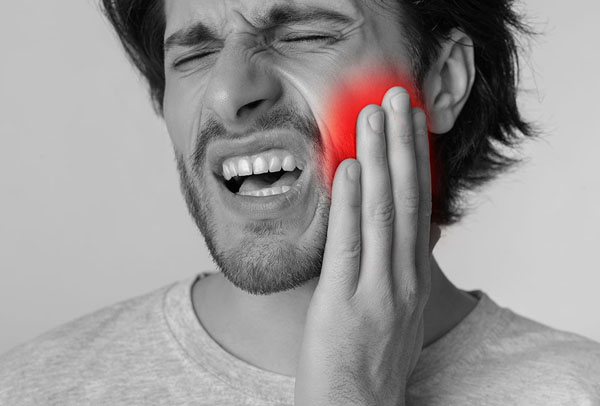
12 May What to Know About Emergency Dentistry for Wisdom Teeth
Emergency dentistry for wisdom teeth focuses on urgent problems that need prompt dental care. Some need care when pain starts suddenly, and the cause limits normal eating or cleaning. If a wisdom tooth is impacted or partially erupted, bacteria and debris can collect.
Impaction and Eruption Issues
Impaction is a common reason for emergency dentistry and wisdom teeth removal. A wisdom tooth sometimes lacks space, and it may become trapped under the gums or the jawbone. When a tooth grows at an angle or stays partly covered, food collects more easily, raising the risk of infection and decay. Some teeth press toward the second molar, but others angle toward the back of the mouth.
A dentist checks the position, and that exam helps guide the next step. X-rays help confirm if the tooth is trapped, and it identifies pressure on the second molar. If the gum opens over part of the tooth, sometimes debris remains, making cleaning difficult. In emergency care, the dentist reviews symptoms, imaging, and tooth position. Impacted wisdom teeth do not always cause urgent symptoms. Problems develop when the tooth partly erupts. The opening around it can trap food and bacteria.
Infection and Gum Issues
If cleaning is difficult because of the tooth’s location, the infection spreads deeper into the tissue. Infection often brings people to emergency dental care. Bacteria can build up around a partially erupted tooth, and the gums may become swollen or tender. These problems can progress, so timely evaluation matters. Symptoms include:
- Persistent pain, swelling, and difficulty chewing can point to infection around the tooth.
- Bad taste, unpleasant breath, or bleeding during brushing may occur when debris becomes trapped under the gum flap.
- Pain spreads toward the jaw or ear, and some people notice discomfort when swallowing or opening wide.
- Fluid or pus around the gum can signal an active infection and needs prompt dental review.
A dentist sometimes recommends emergency removal when nearby structures are damaged. Treatment decisions depend on tooth position, swelling level, and ease of access to the area. The dentist may first reduce infection and inflammation, and removal follows once the area is safer to treat. The goal is to remove the source. This can reduce ongoing irritation.
Location and Space Issues
Location affects whether a wisdom tooth becomes an emergency problem. If the jaw does not have enough space, the tooth may emerge only partway. A hard-to-reach position makes brushing less effective, and debris can stay behind the tooth. That setting increases the chance of infection, decay, and damage to the next molar. Limited space also pushes the tooth against gum tissue, and that pressure may cause soreness during chewing or cleaning. When the tooth sits far back, access is reduced. Some wisdom teeth stay covered by gum tissue, while others break through slightly; either position causes cleaning problems.
Book Emergency Dentistry
Emergency wisdom tooth problems usually involve impaction, infection, or a difficult location. These issues sometimes overlap, and the combination often makes cleaning harder. If a wisdom tooth is causing pain, prompt evaluation is appropriate. Contact an emergency dentist soon. A dental exam identifies the cause, and it can show whether emergency removal is the right treatment.
Sorry, the comment form is closed at this time.