

12 May What Happens During a Colonoscopy?
A colonoscopy is a procedure that allows a medical provider to view the inside of the colon and rectum. Providers use it as part of routine screening, follow-up care, or further evaluation. It is a minimally invasive procedure, and it can help detect various colorectal diseases, including cancer. Here’s more information about colonoscopies and what they involve:
Understanding the Procedure
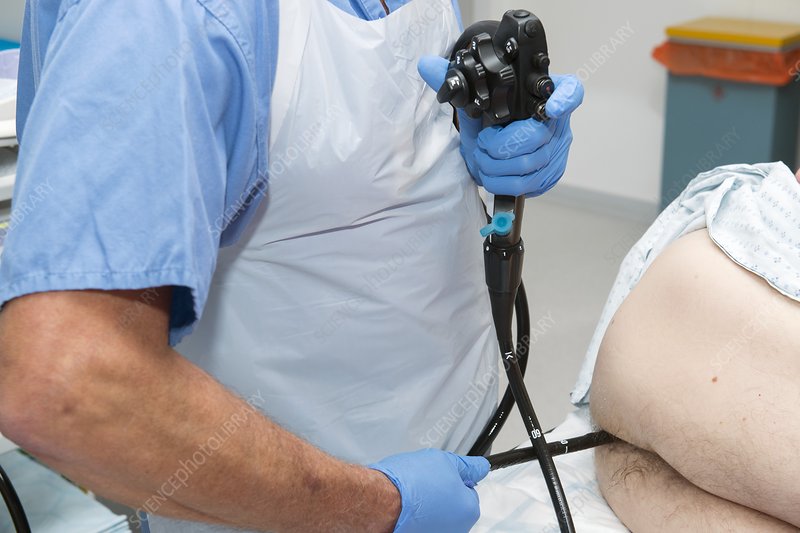
During a colonoscopy, a provider uses a colonoscope, which is a long, flexible tube with a small camera and light. This tool sends images to a monitor so the provider can examine the lining of the colon. The procedure usually takes place in a hospital, clinic, or outpatient center. In some cases, the provider uses small tools through the scope during the exam; these tools may help collect a tissue sample or remove a growth for further review.
Preparing Before the Visit
Preparation usually starts two to three days before the appointment. The medical provider gives instructions designed to empty the colon; this provides them with a better view during the exam. Following these directions closely is a key part of the process.
You may need to adjust your diet for a short period. Many prep plans include clear liquids the day before the procedure. You may also receive a bowel prep solution or medication; this helps clear the colon.
It’s also helpful to review your regular medicines ahead of time; ask the care team whether you should pause anything before the procedure. Since many patients receive medication during the exam, make arrangements for another adult to drive you home. Planning these details in advance makes the visit more manageable and supports a smoother schedule on the day of the procedure.
Arriving for the Appointment
When you arrive, the staff usually reviews your medical history, current medicines, and allergies. You may sign consent forms and change into a gown before the exam begins. This check-in process helps the team confirm that they have accurate information. A nurse often places an IV line in your hand or arm; the team may use it for fluids or medication during the procedure.
Undergoing the Examination
For the exam, you will lie on your side on a procedure table. The provider gently inserts the colonoscope through the rectum, and they guide it through the colon. They may also introduce air or carbon dioxide to open the colon and improve visibility.
During the procedure, the camera displays images on a screen for close review. If the provider notices an area that needs more attention, they may collect a small sample or remove a polyp through the scope. These actions usually do not require a separate procedure; many colonoscopies take less than an hour, though timing varies.
Recovering After the Exam
After the procedure, the staff moves you to a recovery area and monitors you while the medication wears off. You’ll stay there for a short time before leaving, sometimes up to an hour. The provider shares their initial findings before discharge, but some results, such as those from a tissue review, may come later. It’s possible to experience gas pain or bloating for a few hours; this should pass quickly.
Schedule a Colonoscopy
A colonoscopy includes four main parts: preparation, check-in, the exam, and recovery. Knowing these stages gives you a straightforward idea of what usually happens when you undergo this procedure. If you have unexplained rectal bleeding or a family history of colorectal cancer, ask your provider about scheduling a colonoscopy.
Sorry, the comment form is closed at this time.