

12 May Rehabilitation Techniques in Physical Therapy
Physical therapy serves as a structured approach to restoring movement and managing physical discomfort. When individuals experience injuries, undergo surgical procedures, or face chronic health issues, specialized therapeutic interventions provide a pathway toward recovering mobility. The practice merges anatomical science with targeted physical exertion, guiding patients through carefully designed exercises. A structured program supports the body’s natural healing mechanisms and helps patients regain physical capabilities over time.
What Is Physical Therapy?
Physical therapy represents a specialized field of healthcare focused on maximizing a patient’s physical function. Practitioners utilize a combination of guided movements and specialized treatments to alleviate pain and improve flexibility. By targeting the musculoskeletal system, which includes bones, joints, muscles, and connective tissues, these techniques prevent the stiffness and muscle degradation that can result from prolonged periods of inactivity. This scientifically grounded methodology is a standard component of many comprehensive medical treatment plans.
What Does It Address?
Therapeutic rehabilitation supports patients navigating a wide spectrum of physical challenges, and medical professionals may recommend these services for musculoskeletal injuries and chronic disease management. While certain chronic conditions lack a definitive cure, targeted exercises assist patients in maintaining their mobility and managing daily discomfort. Common orthopedic conditions that benefit from structured physical interventions include:
- Neck and lower back pain
- Joint degradation and arthritis
- Sports-related sprains and strains
- Tendon inflammation
- Sciatic nerve compression
- Whiplash injuries
Beyond standard joint and muscle issues, therapeutic regimens play a central role in post-surgical recovery. Gradual mobilization prevents connective tissue weakness and supports a steady return to normal activities. Patients dealing with neurological conditions, such as stroke recovery, also utilize specific exercises to retain motor function and slow symptom progression.
What Techniques Fall Under It?
Practitioners deploy an array of modalities depending on a patient’s specific diagnosis and physical capabilities. These approaches generally fall into two categories: active therapies and passive therapies. A standard treatment plan may incorporate elements from both categories and achieve optimal physical restoration.
Active Therapies
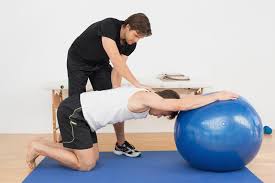
Active physical therapy requires the patient to exert physical effort. These exercises build strength and aim to improve overall coordination. By gradually increasing the intensity of these movements, patients slowly reclaim their physical independence. Common examples include stretching routines and resistance training to build muscle mass.
Passive Therapies
Passive physical therapy involves treatments administered directly by the therapist, without any physical exertion required from the patient. These methods reduce immediate localized pain and prepare the body’s tissues for active movement. Standard passive modalities feature therapeutic massage, electrical stimulation to prompt muscle contraction, and the application of supportive braces or athletic tape
Meet With a Physical Therapist
Initiating a rehabilitation program begins with a thorough evaluation by a physical therapist. During a preliminary consultation, the practitioner can assess a patient’s medical history, current mobility levels, and specific pain points. This foundational assessment guides the creation of a personalized therapy schedule and tailors it to the individual’s precise anatomical needs. A dedicated physical therapist continuously monitors progress, adjusting exercises as the patient builds strength and tolerance. Collaborative communication between the therapist, the patient, and other medical providers yields a cohesive approach to health management.
Sorry, the comment form is closed at this time.