

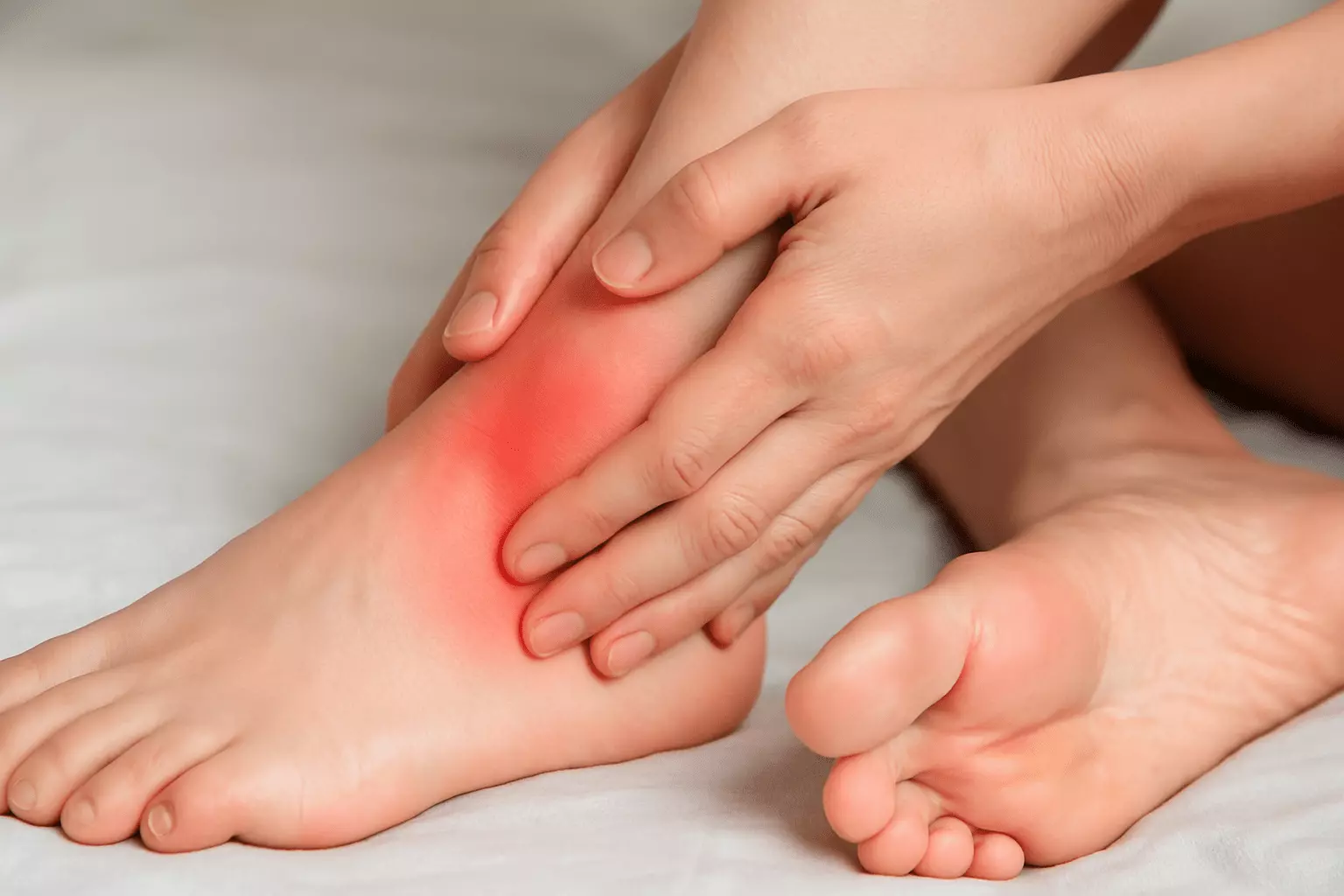
12 May Preventative Measures for Common Ankle Injuries
An ankle injury can limit movement, and they disrupt daily activity. Lower risk by preparing well. Prepare carefully while responding early when symptoms appear. Prevention also helps you avoid painful conditions.
Choose Proper Equipment
Proper equipment supports the ankle during movement. Shoes should fit well and match your sport, surface, and activity level. Replace worn shoes promptly; weak cushioning and uneven soles can increase ankle stress. High-impact sports need structured support. Court sports need strong lateral stability. If foot shape affects alignment, supportive inserts may help. Braces, tape, and sports gear add stability when used correctly. Choose the right brace for the activity. If you have a history of an ankle injury or sprain, use extra support during high-risk activities. Review fit before each activity. Equipment should support movement, and you should avoid changes to your walking pattern.
Prepare Before Activity
Warm-up and stretching prepare the ankle for activity. Start with light movement, then add controlled exercises for the calves, feet, and lower legs. Gentle motion helps the joint prepare for force, and it can reduce stress. Balance work also supports preparation, because better control improves joint stability. Tips can include:
- Beginning with five to ten minutes of walking, cycling, or marching.
- Adding ankle circles, heel raises, and toe walks with slow, controlled form.
- Using dynamic stretches such as leg swings, calf pulses, and controlled lunges before activity.
- Practicing short single-leg balance drills to build joint control.
- Cooling down with several minutes of walking and gentle calf and Achilles stretches after exercise.
Keep each movement controlled, and avoid bouncing or forcing the ankle into pain. Progress only when you maintain steady form, because rushed preparation can reduce control rather than improve it. Consistent warm-up and cool-down habits support safer activity. They help limit strain.
Respond to Pain Early
Pain during activity needs attention, since ignoring it may worsen the issue. Do not play through ankle pain, and do not ignore swelling, weakness, or instability after exercise. Stop activity when symptoms start, and move to a safe place to assess the ankle. Early response matters. Check whether your feet bear weight, and note any changes in walking, balance, or push-off strength. Look for visible changes, as these signs guide next steps. If symptoms are mild, rest the ankle, limit strain, and monitor it over several hours. Elevation may help with swelling; a compression wrap sometimes provides support.
Use care with wraps; too much pressure can reduce comfort and circulation. If the ankle gives way, feels unstable, or is more painful with walking, stop activity for the day. Do not return to sport just because pain decreases briefly; weakness and poor control still raise injury risk. Rest, symptom review, and timely assessment help you. Since some conditions need medical evaluation, do not hesitate to reach out.
Prevent Ankle Injury Today
Prevention depends on consistent habits. Use proper equipment, warm up, cool down, and allow recovery between intense activities. Keep your surroundings safe, and use walking support. Early action may reduce further strain. When pain starts, stop the activity and assess the problem.
Sorry, the comment form is closed at this time.