

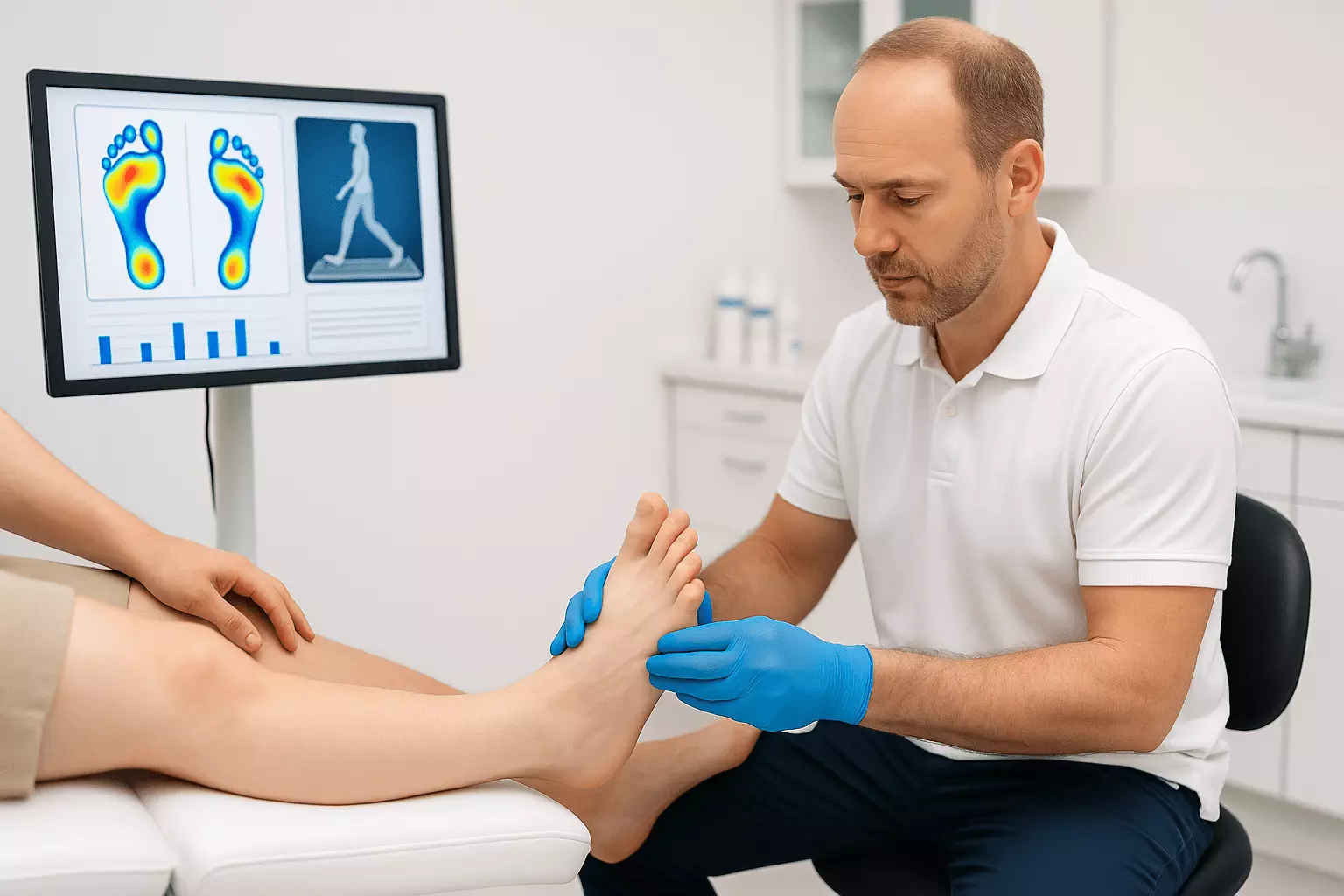
13 May Podiatrist Recommendations for Maintaining Healthy Feet in Everyday Life
Maintaining healthy feet supports daily comfort, mobility, and overall wellness. A podiatrist provides guidance on proper foot care, footwear choices, hygiene, and early signs of common foot conditions. Here are some podiatrist recommendations for maintaining healthy feet in everyday life:
Clean Feet Daily
Establishing a daily routine for foot hygiene keeps the skin clean and prevents fungal growth. Patients must follow specific guidelines, and they should perform these tasks consistently. Here are ways to keep the feet clean:
- Washing: Wash your feet daily with warm water and mild soap.
- Drying: Dry the skin thoroughly, paying special attention to the spaces between the toes.
- Moisturizing: Apply lotion to the heels and soles, but keep the moisturizer away from the toe webs.
- Inspecting: Check for cuts, blisters, or redness, and monitor for changes in skin texture.
These habits form the foundation of proper hygiene. If individuals notice persistent issues during daily checks, they should seek medical advice from a podiatrist.
Choose Supportive Footwear
Proper shoes provide support, and they prevent structural damage to the bones and ligaments. Patients should wear shoes that fit correctly, and they must measure their feet regularly. As individuals age, their foot size changes, and ill-fitting shoes can cause severe discomfort. When individuals choose shoes with adequate arch support, body weight is distributed evenly, reducing strain on the lower extremities.
Patients must evaluate their daily activities, and they should select shoes based on specific tasks. Running shoes offer shock absorption, and work boots provide physical protection. When individuals wear appropriate footwear, they reduce the risk of acute injuries, thereby preserving joint health.
Care for the Nails and Skin
Trimming your toenails correctly can prevent painful ingrown toenails, and it requires specific tools. Individuals must cut the nails straight across and file the edges smoothly. While rounded edges may look appealing, this shape encourages the nail to grow into the surrounding tissue, which can cause severe inflammation. Patients should use clean clippers to prevent the transmission of fungal spores.
The skin on your feet thickens over time, and calluses develop in areas of high friction. Individuals can use a pumice stone to gently exfoliate the skin while it remains damp. Patients may want to remove calluses completely, but a thin layer protects the underlying tissue. If individuals apply a specialized foot cream daily, the rough areas will soften gradually, which can improve skin elasticity.
See a Podiatrist
Certain symptoms require professional medical evaluation, and patients should not ignore persistent discomfort. Minor foot issues can be managed at home, but severe conditions demand clinical intervention. When home remedies fail to resolve the problem, a podiatrist offers advanced diagnostics and personalized treatment plans. Here are key reasons to see a podiatrist:
- Persistent Pain: Seek help if foot pain lasts longer than a few days.
- Color Changes: Note any unusual redness, purple discoloration, or pale skin.
- Swelling: Unexplained swelling in the feet or ankles requires immediate attention.
- Nail Changes: Thickened, discolored, or brittle nails indicate a fungal infection.
A timely medical consultation can prevent minor injuries from becoming chronic conditions. Patients must follow the prescribed treatment plan, and they should attend all follow-up appointments.
Consult a Podiatrist Today
Proper foot care is fundamental for maintaining mobility and preventing complications. Recognizing symptoms such as pain, swelling, or changes in the nails early can help address problems before they worsen. Prompt medical attention and adherence to treatment plans can significantly contribute to a faster recovery and the prevention of chronic conditions. Contact a qualified podiatrist in your area to schedule your appointment today.
Sorry, the comment form is closed at this time.