

13 May The Role of Ankle Pain in Post-Surgery Recovery
Ankle pain is a central part of recovery after lower-limb surgery, reflecting tissue healing, swelling, or stress on nearby joints during movement. Some discomfort is expected after a procedure, but the timing and intensity of ankle pain offer useful information. When tracked closely, it helps patients and clinicians adjust activity and protect healing structures. Here is some information about the role of ankle pain in post-surgery recovery:
Indicates Healing
Pain in the ankle a symptom, and it’s a signal. After surgery on joints below the waist, the ankle typically bears additional load as the body tries to reduce soreness or adapt to a limited range of motion. Pain can signal:
- Swelling is building up
- Irritation from standing too long
- Putting too much weight on your leg
- Moving with poor form
The type of pain you feel provides information. A sharp pain during a certain movement is different from a dull ache when you’re resting. Where you feel the pain also matters. Pain at the front of your ankle suggests joint compression, while pain on the sides could relate to strained ligaments or tendons.
Instead of only focusing on how much it hurts, try to notice these patterns. Are you stiff in the morning? Does it hurt more after your exercises? Tracking these details helps your care team understand your healing progress, and they can adjust activity levels if need.
Manages Mobility
Mobility after surgery depends on more than muscle strength; the ankle helps absorb force, stabilize steps, and support balance. If pain limits these actions, movement often becomes shorter and slower. It also impacts how a person moves through daily tasks. Getting out of bed, walking to the bathroom, and using stairs may all feel different when the ankle is stiff or sore.
Some patients shift weight away from the painful side. Others take uneven steps if walking increases pressure. These adjustments may reduce discomfort for a short time, but they also place strain on the knee and hip.
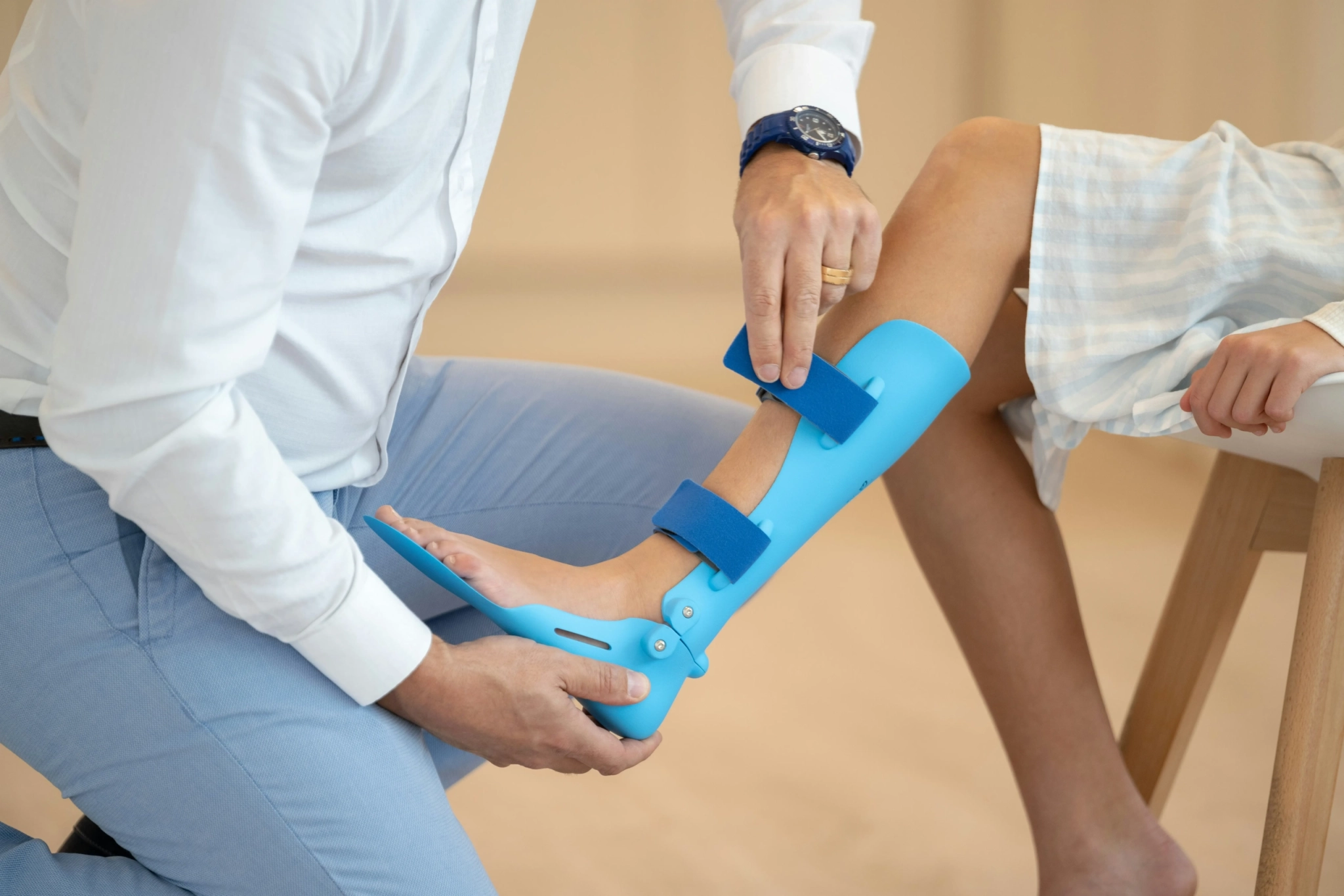
Mobility plans often change based on ankle symptoms. A walker, brace, or compression wrap may be used for part of the recovery, and shorter walking sessions replace longer ones. Rest and icing are usually incorporated when pain increases.
Guides Rehabilitation
Rehabilitation can be more effective when pain is observed in context. In post-surgical care, ankle pain helps determine the pace and type of exercise at each stage of healing. Pain during weight-bearing may prompt recommendations for seated range-of-motion work, while pain after balance drills requires a shift toward tasks with more support. When swelling and soreness remain mild after activity, this response indicates that the body is tolerating the current plan.
Pain is also reviewed alongside swelling, walking quality, and tolerance for daily activity. This gives rehabilitation a more practical structure. Instead of pushing forward on a fixed schedule, the plan responds to how the ankle behaves over time. This helps reduce overload, and it helps tissues adapt after surgery.
Manage Ankle Pain Today
Ankle pain plays a role in post-surgery recovery by showing how the body responds to movement, load, and therapy. It shapes mobility strategies and guides rehabilitation choices. Recognizing pain patterns gives you information about healing progress, and it helps limit pain caused by overuse. If ankle pain is affecting your recovery, speak with your foot doctor today to learn more.
Sorry, the comment form is closed at this time.