

12 May The Impact of Technology on Orthopedic Surgery
Orthopedic surgery can use tools that help an orthopedic surgeon plan, perform, and review treatment with more precision. If you need surgery, these changes may affect your options. There are options for orthopedic surgery, and they focus on spinal fusion, minimally invasive surgery, reconstructive surgery, scoliosis, sciatica, spinal stenosis, and neck pain.
Understanding Medical Imaging
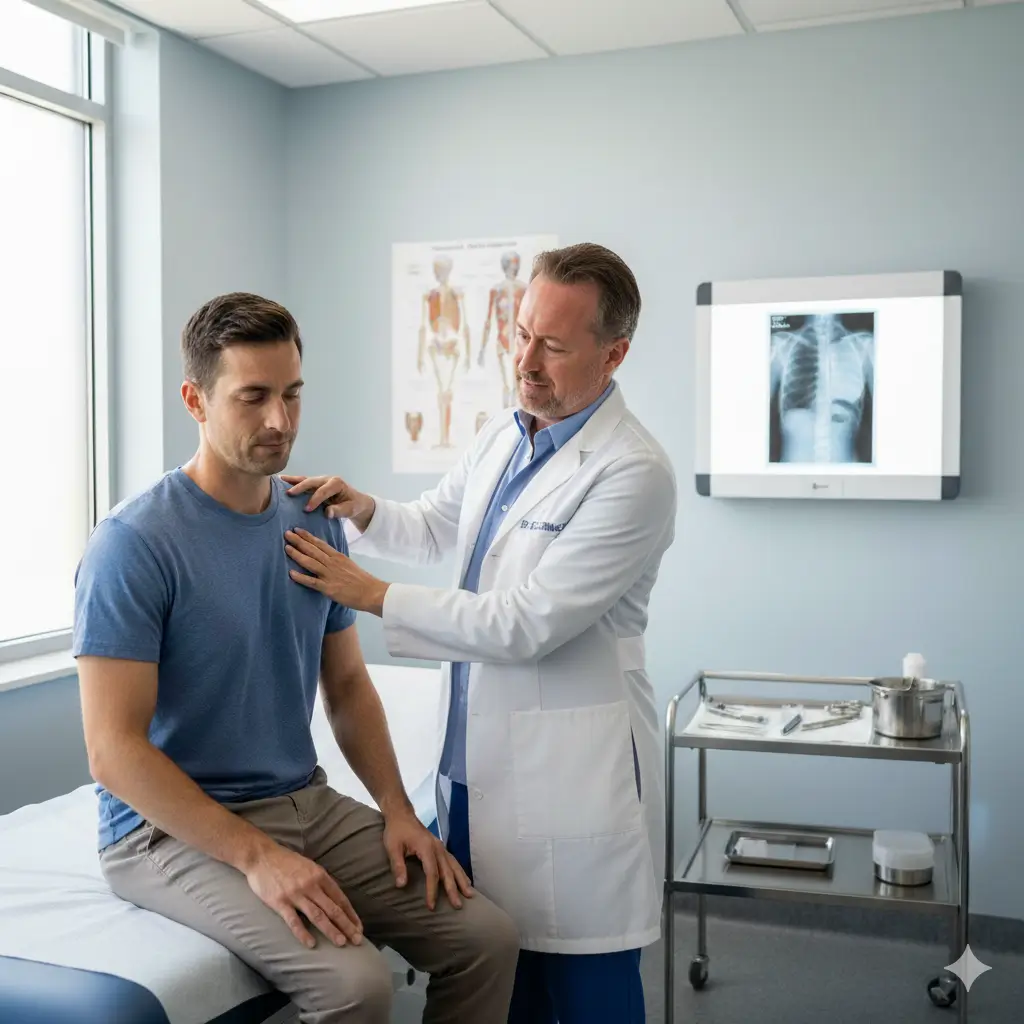
Imaging technology helps your orthopedic surgeon identify pain sources, so they select the right procedure. Clear scans support decisions, and they help match treatment to your condition. They show how bones, discs, joints, and nerves relate to each other. That detail matters because symptoms might come from more than one structure. If you have neck pain or sciatica, imaging helps narrow the cause. It may also show if spinal stenosis affects nearby nerves. Before surgery, imaging helps your surgeon study alignment, spacing, and pressure areas. These details guide the surgical approach and treatment goals. You can also use imaging results to discuss options, so understand why a procedure is recommended. MRI and CT scans show bones, discs, nerves, and soft tissue in detail.
Using Surgical Techniques
Surgical techniques could now use smaller tools, better navigation, and improved visualization. These advances support accuracy, and they help surgeons work more effectively in tight spaces.
- Smaller tools can change incision size and surgical access.
- Cameras and magnified views can improve visibility during each step.
- Real-time guidance helps confirm positioning during the operation.
- These tools are often relevant in spinal fusion and reconstructive surgery.
When you discuss surgery, ask how these techniques relate to your diagnosis, anatomy, and treatment goals. This difference affects the surgeon’s approach, and it influences the recovery plan. Your surgeon will assess the site of compression, the spine’s stability, and the amount of correction needed. These factors help determine if a minimally invasive approach is safe.
Supporting Recovery After Surgery
Recovery technology helps track healing and support function after surgery. Good recovery depends on your plan, and technology works best when you follow it closely. These tools measure progress, and they give your care team useful information between visits. If you need orthopedic surgery, recovery technology can guide follow-up, activity, and treatment adjustments. This information matters because changes in function may appear before problems are obvious during a visit.
Surgeons and therapists review this data, and they compare it with your recovery goals. This review helps them decide if your plan should change. Sometimes, remote monitoring supports earlier review when progress slows or symptoms increase. That extra oversight helps guide safe movement, work limits, and therapy timing. If you are recovering from spinal fusion or reconstructive surgery, clear tracking can support more organized follow-up. They collect recovery information between visits, and they help your care team review trends over time. When changes appear early, your care team adjusts instructions or schedule further review. If your walking tolerance drops or pain increases, the team can respond before your next appointment.
See an Orthopedic Surgeon Today
Technology shapes orthopedic surgery before, during, and after the procedure. Imaging improves planning, and recovery systems help track progress. If you are discussing orthopedic surgery, ask how technology will be used in your diagnosis and treatment plan. Ask whether minimally invasive surgery is an option for you, so you can be a part of your plan.
Sorry, the comment form is closed at this time.