

15 May What to Look for When Selecting a Plastic Surgeon
Patients exploring cosmetic facial procedures have multiple treatment options depending on their goals, facial anatomy, and medical history. A board-certified facial plastic surgeon evaluates these factors during consultation to determine appropriate surgical or non-surgical approaches. The consultation process includes a detailed discussion of expected outcomes, risks, and recovery timelines so patients understand each step of care. Here is more information about what to look for when selection a plastic surgeon:
Review Surgical Specialties
A facial plastic surgeon is able to focus on a range of procedures that address both aesthetic and functional concerns of the face. Common surgical specialties include rhinoplasty, facelift procedures, eyelid surgery, and other facial reconstructive or cosmetic treatments. Some providers also incorporate minimally invasive techniques that address skin aging and facial rejuvenation without full surgery.
When selecting a provider, patients review the surgeon’s specific areas of expertise to determine whether their training and experience align with the desired procedure. This often includes evaluating procedural experience, reviewing available treatment options, and confirming that the surgeon regularly performs the type of surgery being evaluated. Understanding a provider’s specialty focus helps patients make informed decisions about their care plan and treatment approach.
Experience With Specific Procedures
Experience with specific facial procedures focuses more closely on how frequently a provider performs a given treatment and the level of technical training they have in that area. A facial plastic surgeon’s background are able to include advanced instruction, continuing education, and hands-on experience with complex surgical techniques that go beyond general practice. Patients are able to ask about procedural volume and training history to better understand how familiar the surgeon is with the requested operation. During consultation, the provider should also outline the steps of the procedure, along with possible risks and recovery expectations, so the treatment plan is clearly understood.
Assess Communication Styles
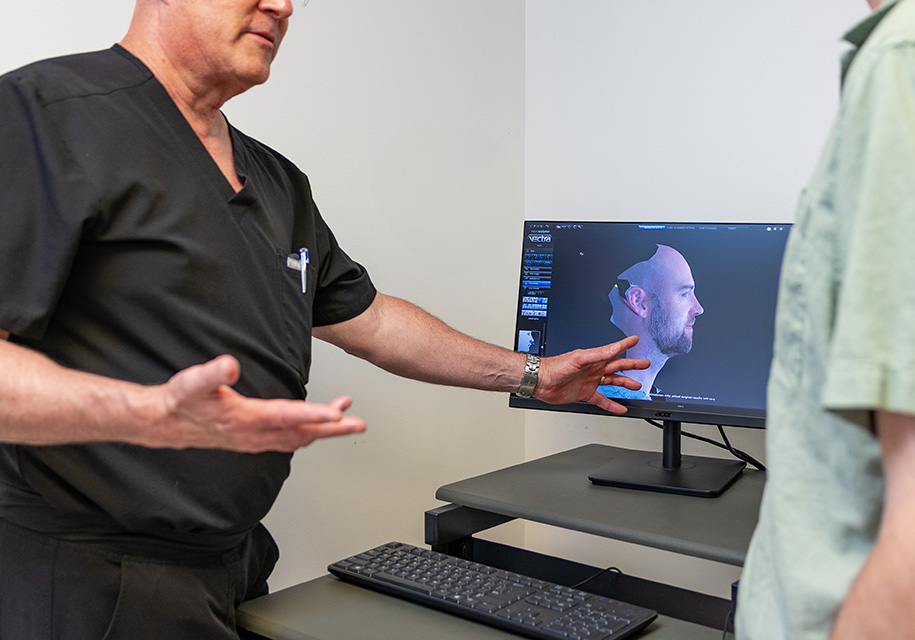
A consultation provides time for patients to discuss goals, review concerns, and understand the proposed treatment plan with the surgeon. Providers gather information about desired outcomes and explain how surgical techniques may be used to address specific facial features, including expected recovery timelines and potential risks. This exchange helps align the treatment approach with the patient’s anatomy and procedural options, which supports clearer planning before surgery.
During the consultation process, patients also receive information about recovery expectations, costs, and follow-up care. The medical team answers questions and provides details about each stage of treatment so patients understand what to expect before, during, and after the procedure. Clear communication between the provider and patient helps establish a structured care plan and supports informed decision-making throughout the process.
Schedule with a Plastic Surgeon
Finding the right medical professional involves reviewing credentials, training, and experience with the specific procedures being evaluated. Patients often evaluate a provider’s background and ask questions about treatments such as lip augmentation or laser therapy to understand available options and expected outcomes. Consultations allow time to discuss goals, treatment approaches, and recovery details before proceeding with care. To schedule an appointment, contact a qualified provider or book a consultation online.
Sorry, the comment form is closed at this time.