

28 May What to Expect During Your First Visit to a Pain Clinic
Chronic pain can affect work, sleep, daily tasks, and relationships. When treatment and healthy lifestyle habits do not control pain, a pain rehabilitation program may help; it can teach tools for managing chronic pain. Because these programs typically operate on an outpatient basis, patients may attend sessions over several weeks; clinics schedule treatment throughout the day. Pain clinics do not promise a quick fix. They do not aim to eliminate pain completely; their goal is to restore function and improve quality of life. When patients enter a pain clinic program, clinics use evidence-based methods to teach physical, emotional, and mental coping skills, and patients take an active role in their recovery.
Types of Pain Clinics
Two main types of pain clinics operate in the field today. Interdisciplinary clinics bring together a team of health professionals who use a variety of evidence-based approaches; this team may include physical therapists, occupational therapists, psychologists, dietitians, nurses, and physicians. Because block clinics focus on targeted procedures such as injections and nerve blocks, an anesthesiologist typically provides these services; treatment often addresses conditions such as low back or neck pain.
The two clinic types focus on different forms of treatment. Interdisciplinary programs use several treatment approaches, and they often address long-term chronic pain conditions. When a patient needs a procedural intervention, the patient may attend a block clinic; treatment focuses on a targeted area of pain. Visiting a pain clinic can help patients decide their best treatment path.
Daily Structure and Activities
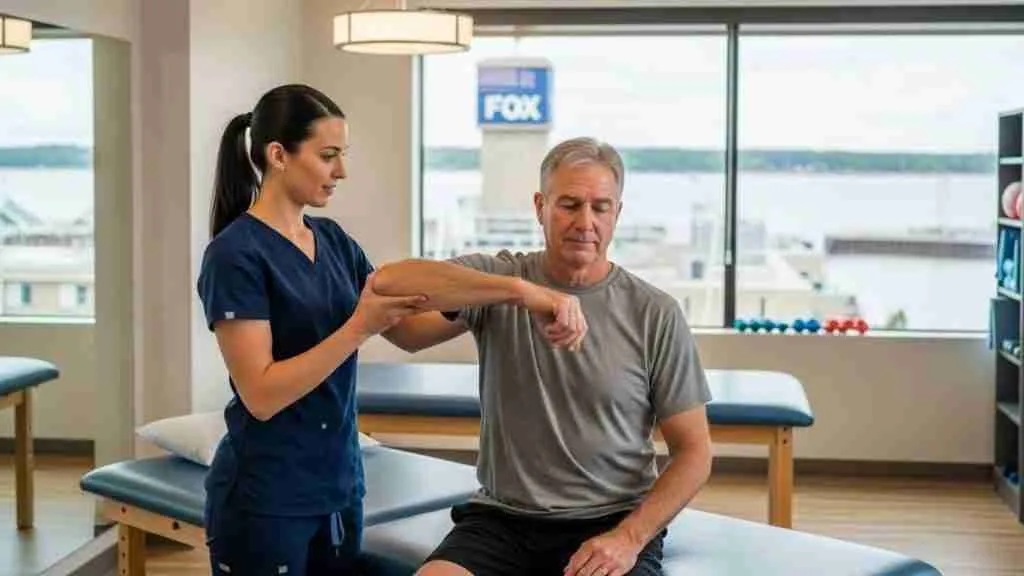
Patients in interdisciplinary programs typically attend sessions for most or all of the day over several weeks on an outpatient basis. Physical therapy focuses on movement and physical function. Because interdisciplinary programs use several treatment methods, a standard day may include occupational therapy, pain education classes, and relaxation or mind-body therapy; patients attend multiple sessions throughout the day. Physical activity is part of the program; patients learn how regular movement supports pain reduction. Joint conditions can limit movement. Since inactivity can lead to the shortening and hardening of muscles and other tissues that restrict range of motion, physical and occupational therapy sessions address these functional limitations, and patients practice regular movement during treatment.
Treatment Methods and Medication
Pain clinics offer a range of techniques beyond physical activity. Guided imagery, breath training, and relaxation methods are taught as tools for ongoing self-management, and cognitive behavioral therapy may be offered to help patients reshape their mental responses to pain. Because cognitive behavioral therapy addresses mental responses to pain, it teaches problem-solving skills, and it examines the relationship between pain, stress, and depression.
Medication is not automatically part of the treatment plan. Some programs require patients to taper off opioids before or during participation, since opioid use in chronic pain cases can increase the brain’s sensitivity to pain over time. Clinics may also reduce reliance on sleep aids, muscle relaxants, and anxiety medications that were originally prescribed to address side effects of opioids. As patients taper from opioids, the need for these secondary medications often decreases.
Programs also provide peer support; being around others facing similar pain challenges offers validation for patients. Family members may receive education about chronic pain. Because chronic pain affects daily life, family members may learn ways to support the patient; clinics may provide information about pain management strategies.
Find a Pain Clinic
A first visit to a pain clinic marks the beginning of a structured, long-term process rather than a single treatment event. Patients can expect a multidisciplinary approach that addresses physical function, daily activity, and mental coping skills together. When patients learn about pain clinic structure and treatment methods before an appointment, they may feel more informed about the rehabilitation process, and they may better understand program expectations. Talk to someone in your area to learn more.
Sorry, the comment form is closed at this time.