

19 May What To Expect After a Gastroenterology Procedure
A gastroenterology procedure involves specific protocols for patient preparation and medical recovery. Patients undergo these targeted medical interventions, and gastroenterologists use them to diagnose digestive system conditions. While some interventions are routine, each requires specific post-operative care. Understanding the standard recovery process helps individuals manage their health safely.
What Is a Gastroenterologist?
A gastroenterologist is a medical doctor specializing in the gastrointestinal tract and liver. When patients experience chronic digestive issues, they benefit from seeking out these clinical specialists for an accurate diagnosis. These specialists evaluate the movement of food through the digestive tract, and they monitor the safe removal of waste from the system. The digestive system involves multiple interrelated organs, and gastroenterologists maintain a comprehensive understanding of human anatomy.
What Are Gastroenterology Procedures?
Gastroenterology procedures are specialized clinical techniques used to evaluate digestive disorders, and they help improve a patient’s overall health. Doctors use advanced medical instruments during these interventions. Certain surgical methods allow direct visual examination of internal organs, enabling physicians to accurately identify physical abnormalities.
What Are the Different Types?
Medical professionals perform several distinct diagnostic tests based on a patient’s clinical presentation. These include:
- Colonoscopy: Doctors examine the entire large intestine.
- Endoscopy: This test allows doctors to view the upper digestive tract.
- Laparoscopy: Doctors examine the abdominal cavity by making small incisions.
- Polypectomy: This involves the immediate removal of abnormal tissue growths.
- Total Proctocolectomy: This extensive surgical procedure involves the complete removal of the colon and rectum.
Each test requires distinct preparation and equipment, and patients follow preliminary instructions to enable clear visual fields for accurate diagnosis.
Why Are They Conducted?
Physicians order these tests to investigate unexplained and persistent digestive symptoms. Patients present with chronic abdominal pain, or they experience sudden changes in their regular bowel habits. By performing these specific medical procedures, gastroenterologists can diagnose complex conditions such as peptic ulcers and gastrointestinal cancers.
Routine screenings are another reason to conduct these specific medical evaluations, and doctors recommend preventative checks for adults over a certain age. They also use these tests to prevent the development of colon cancer. If patients have a family history of digestive diseases, physicians may schedule these preventative evaluations earlier in life.
What Happens After a Procedure?
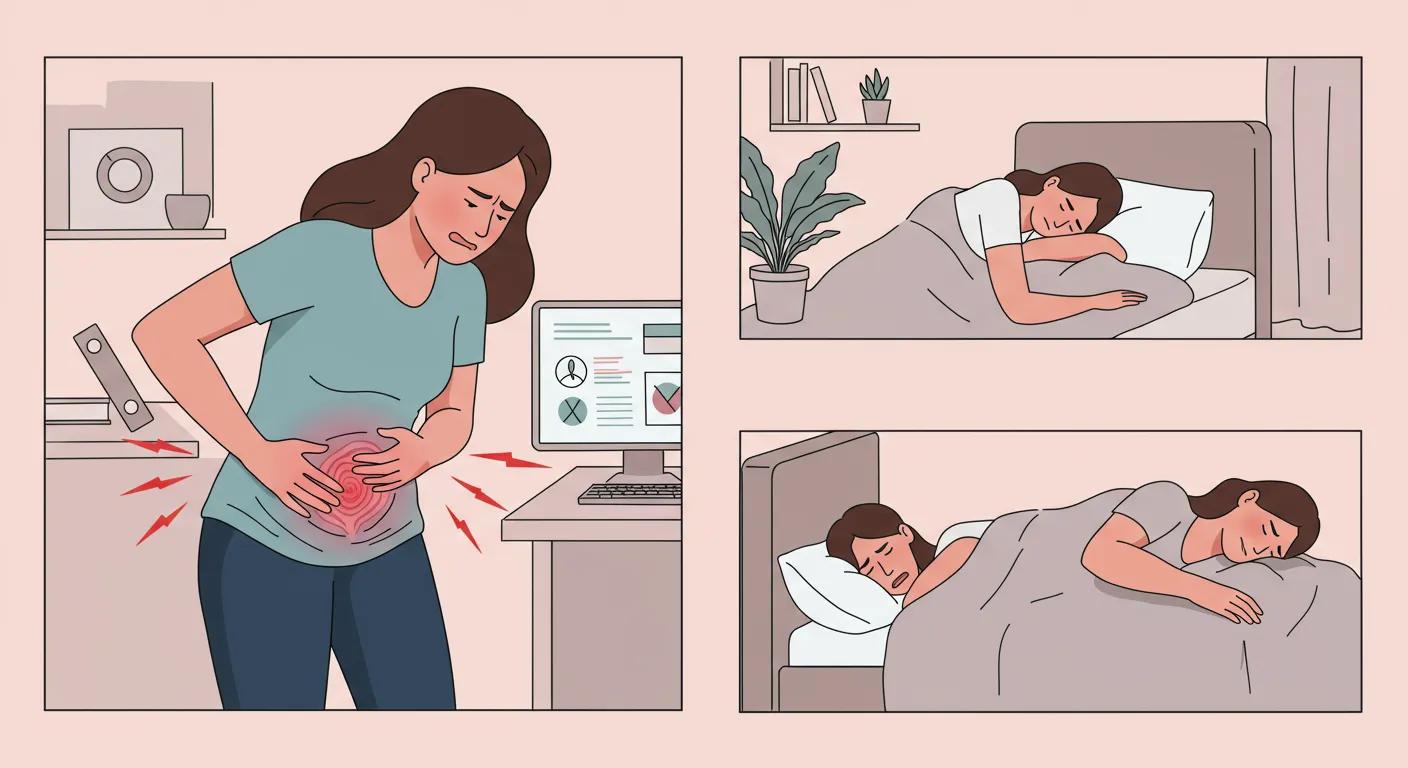
The immediate recovery phase depends on the specific medical intervention performed. Since some diagnostic tests use sedation, individuals may feel drowsy for several hours following the appointment. Patients may rest in a dedicated recovery room for observation, and medical staff monitor their heart rate.
Discharge instructions specify mandatory dietary restrictions and temporary limitations on physical activity. Medical staff will explain the preliminary clinical results, and they will schedule a follow-up appointment for further discussion. While minor symptoms like abdominal bloating may occur, severe pain requires immediate medical attention.
The long-term recovery process varies based on the exact nature of the initial intervention. Diagnostic tests usually require only rest, and patients return to normal physical activities quickly. Surgical interventions involve tissue removal, so they demand a longer healing period.
Know What To Expect
Familiarity with the standard recovery process supports proper physical healing. Patients should follow all clinical discharge instructions, and they benefit from monitoring their physical symptoms at home. Proper medical guidance may lead to better health outcomes, so contact a local gastroenterology clinic today to schedule a consultation.
Sorry, the comment form is closed at this time.