

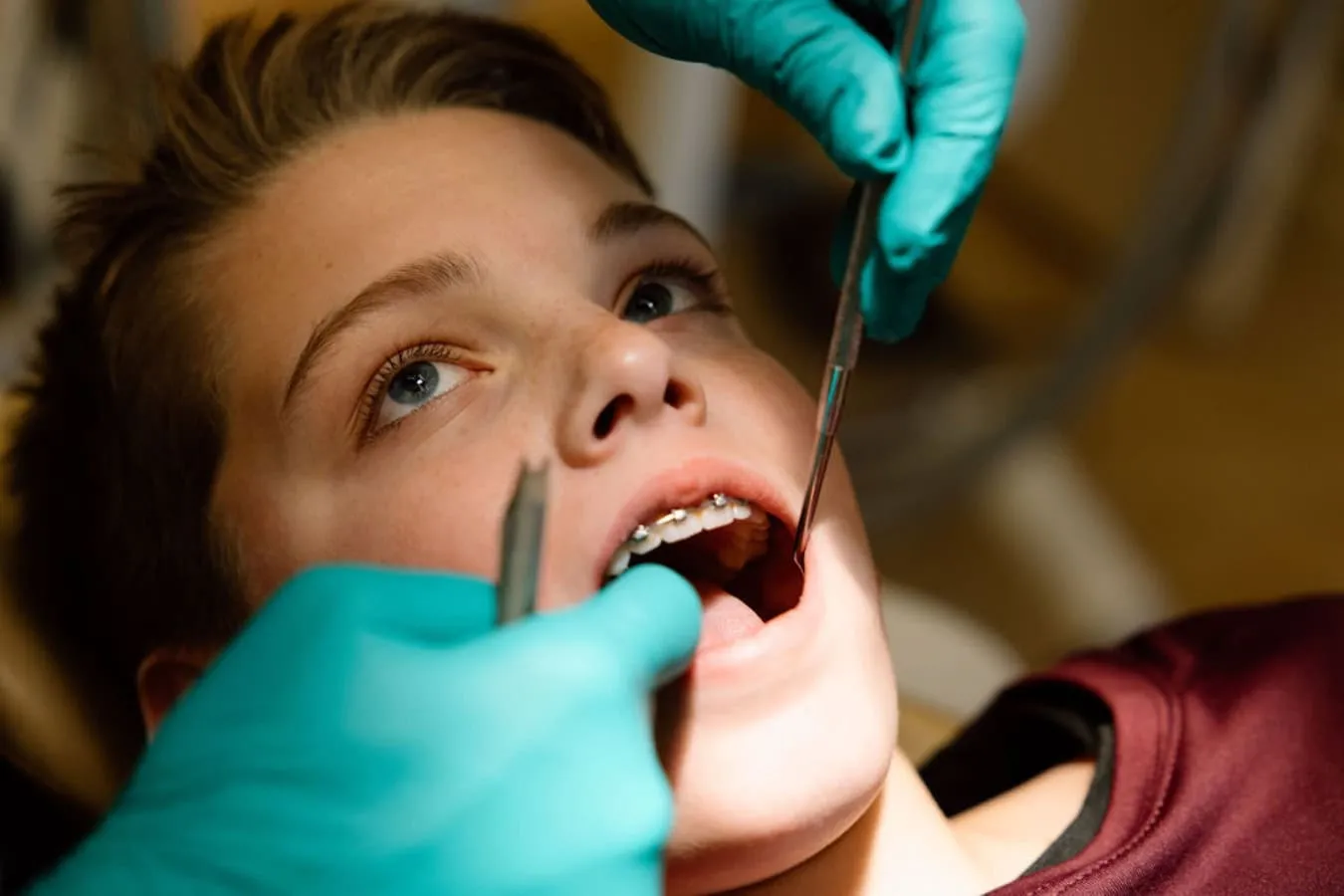
29 May Understanding the Role of Children’s Orthodontics in Early Dental Health
Early dental visits shape future smiles. Dental experts recommend a children’s orthodontics evaluation by age seven, and this visit provides valuable baseline information. Because a child’s jaw is still growing, an early exam reveals potential issues.
Common Dental Issues
Common issues include excessive spacing or crowding, and doctors also monitor for underbite, overbite, or open bite. Dentists look for alignment problems during early exams. Spacing may leave visible gaps, while crowding makes cleaning difficult. An underbite places lower teeth ahead of upper teeth, and an overbite cover lowers teeth too much. An open bite may keep front teeth from touching, especially when a child bites down. Prolonged thumb sucking may change jaw structure.
When these signs appear, a children’s orthodontics exam helps clarify the next step. Parents also note chewing strain, uneven tooth contact, or speech changes during daily routines. These signs dictate the treatment path, and they help specialists plan adjustments. Every child presents unique anatomical variations. Early detection matters, and parents should watch for visible chewing difficulties at home. Crowding often becomes obvious quite early. A dentist diagnoses these conditions while creating a timeline for needed interventions.
Specialized Orthodontic Treatment Tools
Modern orthodontic clinics utilize advanced technology. Since there are options available, discuss them thoroughly. Each tool serves a specific purpose, and the dentist selects the best option for your child. Tools can include:
- Digital impressions: These scans replace messy molds and create accurate 3D models for diagnosis, treatment planning, and appliance design.
- Braces: Brackets and wires guide teeth into proper positions, and the orthodontist adjusts them during scheduled visits.
- Invisalign: This removable option may suit responsible older children, but it requires consistent daily wear.
- Retainers: Fixed or removable retainers help maintain alignment after active treatment ends.
These tools help parents see tooth position during the consultation. Scheduled visits let the team track movement, and they can answer questions. The orthodontist will explain wear time, cleaning steps, and storage habits before treatment starts. The choice depends on concerns. Proper equipment supports comfortable and effective treatment. Cleanings remain manageable during treatment, and customized retainers help preserve the final results. Parents support treatment by following visit schedules and reinforcing home care. Since this routine helps children understand their role in treatment, they may be more involved.
Practical Early Care Benefits
Dentists make room for teeth erupting into a crowded smile, and this approach may reduce bite strain. Proactive treatment offers practical benefits during active growth. A planned approach also helps families understand timing, costs, and daily care needs. When an orthodontist monitors growth, small changes are handled sooner, and treatment may stay simpler. Your child benefits from a healthier bite. It can protect space after early tooth loss, helping guide permanent teeth into place. Chewing and speaking may become easier. Regular monitoring gives parents clear updates, and it helps children build steady hygiene habits. If treatment is not needed yet, the orthodontist can set review visits and watch growth. Proactive monitoring supports predictable planning, and it aids outcomes.
Schedule a Children’s Orthodontics Visit
Taking action today protects future dental health. You can book an evaluation now, and a specialist will assess your child’s unique orthodontic needs. Although early exams may not require immediate action, this step provides education. Contact your local provider to set an appointment, and start your child on a path toward dental wellness.
Sorry, the comment form is closed at this time.