

27 May Understanding Signs and Solutions of Flat Feet for Children
Flat feet occur when the arch of the foot collapses, and this condition causes the entire sole to rest on the ground. This condition is typical in children, and many kids have this condition simply because their arches haven’t fully developed yet. Some children outgrow it, while others need treatment to prevent discomfort and mobility issues. Here are some of the signs of flat feet and the treatments that are available:
Signs of This Condition
Foot pain is typically one of the first signs parents notice, and it shows up in the heel, arch, or ankle. The pain tends to worsen after physical activity. Children who tire quickly during walks or sports may be experiencing the strain that flat feet place on their muscles.
A child’s gait may look unusual, and their shoes may wear down unevenly. Watch for excessive inward rolling of the ankles, which is known as overpronation. This movement pattern puts added stress on the knees and hips over time.
Some children avoid physical activities because standing or running causes them discomfort. Swelling along the inner ankle is another sign. If your child complains of leg cramps or stiffness in the morning, flat feet may be contributing to those symptoms.
Treatments for This Condition
Several non-surgical treatments address flat feet effectively. These include:
- Braces and custom orthotics: Orthotics support the arch, while braces stabilize the foot and ankle during movement.
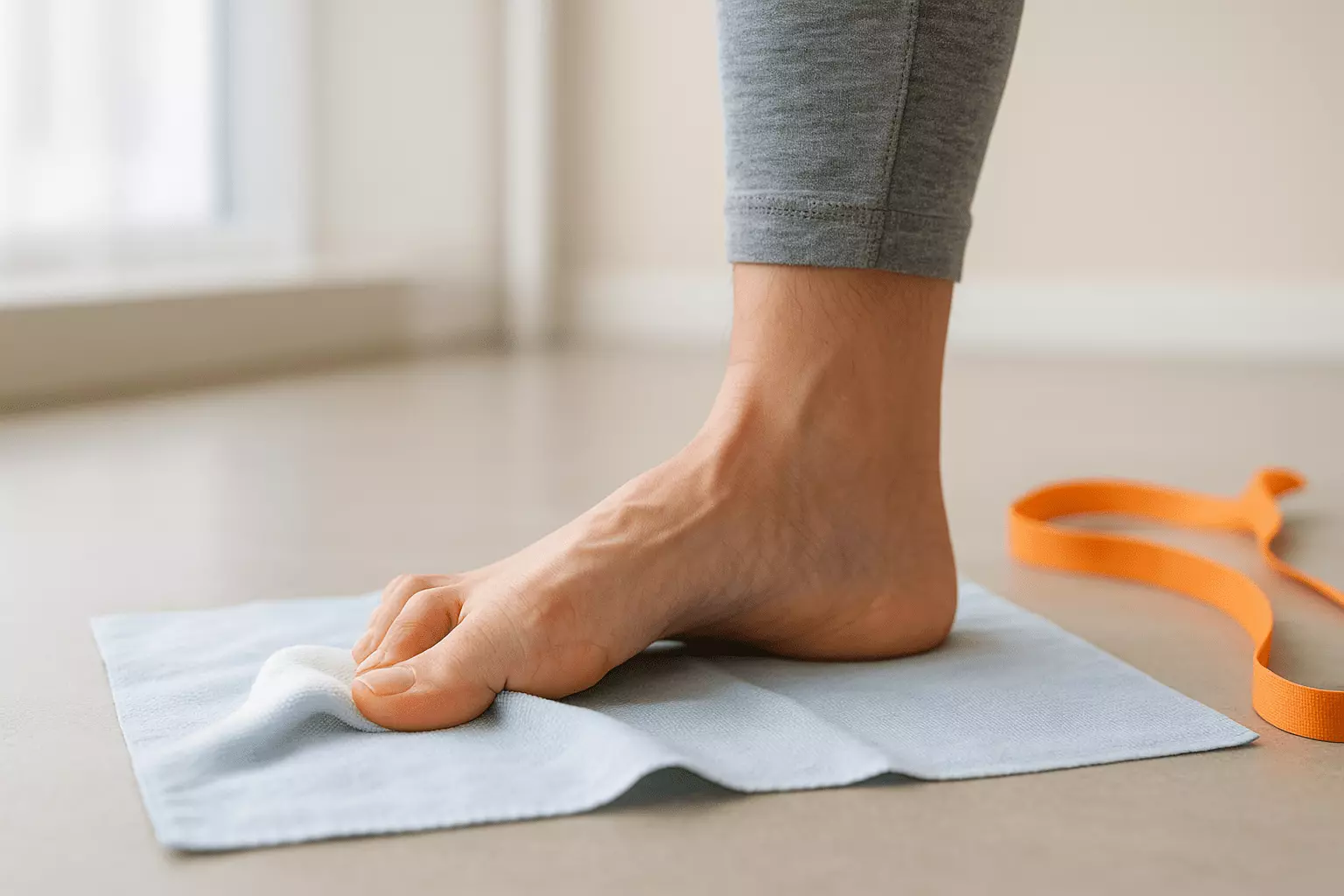
- Physical therapy: Targeted exercises strengthen the muscles that support the arch.
- Medications: Anti-inflammatory medications reduce pain and swelling during flare-ups.
A podiatrist will assess your child’s foot structure and recommend the right combination of these options. Custom orthotics fit inside the shoe, and they provide consistent arch support throughout the day. Physical therapy builds long-term strength, so the foot functions better even without supportive devices.
Stretching exercises help loosen the Achilles tendon, which is often tight in children with this condition. Your child’s podiatrist may prescribe a structured home exercise routine. When combined with orthotics, physical therapy often produces meaningful improvements in comfort and function.
Surgery Options
Surgery becomes a path when conservative treatments don’t relieve symptoms over time. A podiatric surgeon may perform a procedure to reconstruct the arch, repair tendons, or fuse bones in severe cases. The type of surgery depends on your child’s specific foot structure, and recovery typically involves casting followed by physical therapy.
Some children return to normal activity once healing is complete. Surgery is typically performed only after discussing all available options with your healthcare provider and making sure it is the ideal course for your child. Post-operative care and follow-up appointments are needed to monitor healing and promote long-term success.
Get Treated for Flat Feet
Early attention to flat feet puts your child in a better position as they grow. Delaying treatment means a child carries discomfort through key developmental years, which affects how they walk, run, and play. Podiatric care addresses the root cause directly and gives your child a stronger foundation. Schedule an appointment with a podiatrist today to get a thorough evaluation and a clear treatment plan tailored to your child’s needs.
Sorry, the comment form is closed at this time.