

22 May Understanding Neck Pain Causes and Treatments
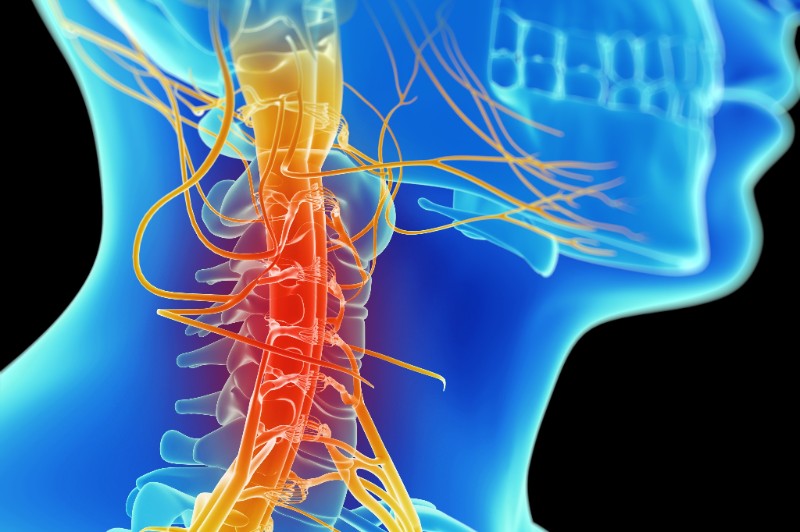
Neck pain, which may start after poor posture, an injury, or age-related spinal changes, affects people of many ages and activity levels. For some people, pain fades in a few days, but for others, it lasts longer and interferes with daily tasks. Knowing the source of neck pain helps guide treatment and supports decisions about when to seek medical care. Here are some causes of neck pain and their treatments:
Herniated Disc
Soft discs sit between the bones of the spine and act as cushions. When one of these discs shifts or tears, inner material presses outward and irritates nearby nerves. In the neck, this usually causes pain that can spread to the shoulder, arm, or hand. Some people also notice numbness or weakness. A herniated disc may develop after a sudden strain, but age-related wear also plays a role.
Diagnosis includes a physical exam and symptom review, and imaging, like an MRI, may also be used. Treatment often involves rest, activity changes, physical therapy, and anti-inflammatory medication. If nerve pressure leads to ongoing weakness or severe pain, a specialist may discuss injections or surgery.
Spinal Stenosis
Spinal stenosis is a narrowing within the spaces of the spine, and in the neck, this can place pressure on the spinal cord or nerve roots. This tends to appear with age as joints enlarge, discs lose height, and bone spurs form. Symptoms of spinal stenosis vary. Some people feel neck pain and stiffness, but others develop balance problems or hand clumsiness. Because these signs may indicate spinal cord involvement, medical evaluation is beneficial. Treatment often starts with physical therapy and pain relief methods. When symptoms worsen or nerve function declines, surgery might be recommended.
Muscle Strains
Muscle strains occur when muscle fibers are overstretched or torn, often due to sudden movements or recurring pressure. Long hours at a desk, frequent phone use, and repeated overhead movement can trigger this problem. The neck will usually feel sore or tight during movement, and it sometimes gets worse with continued activity. Stiffness is also common, especially after waking up or at the end of the day.
In many cases, a strain improves with short-term rest and gentle stretching, and it resolves gradually over time. A physical therapist may help patients adjust workstation height, screen position, and sitting posture. If pain lasts more than a few weeks or spreads into the arm, a medical exam is a helpful next step.
Pinched Nerves
A pinched nerve occurs when surrounding tissue compresses a nerve. Discs, bones, or swollen soft tissue may all be involved. Though local neck pain occurs, some people also feel tingling or weakness along the nerve’s path. Doctors usually review reflexes, strength, and sensation during an exam; these findings help narrow down which nerve is affected. Treatment depends on the cause and severity. Some pinched nerves improve with medication and targeted exercises, but advanced cases may need injections or surgical care.
Manage Neck Pain
Neck pain has several possible causes, and each one calls for a different treatment plan. Mild symptoms typically improve with rest and guided exercise, while persistent or spreading pain deserves medical attention. Sudden weakness, loss of balance, or numbness in the arms or hands also needs prompt evaluation. If neck pain is affecting your routine, schedule an appointment with an orthopedic doctor today.
Sorry, the comment form is closed at this time.