

22 May The Role of Hair Transplants in Restoring Youthful Appearance
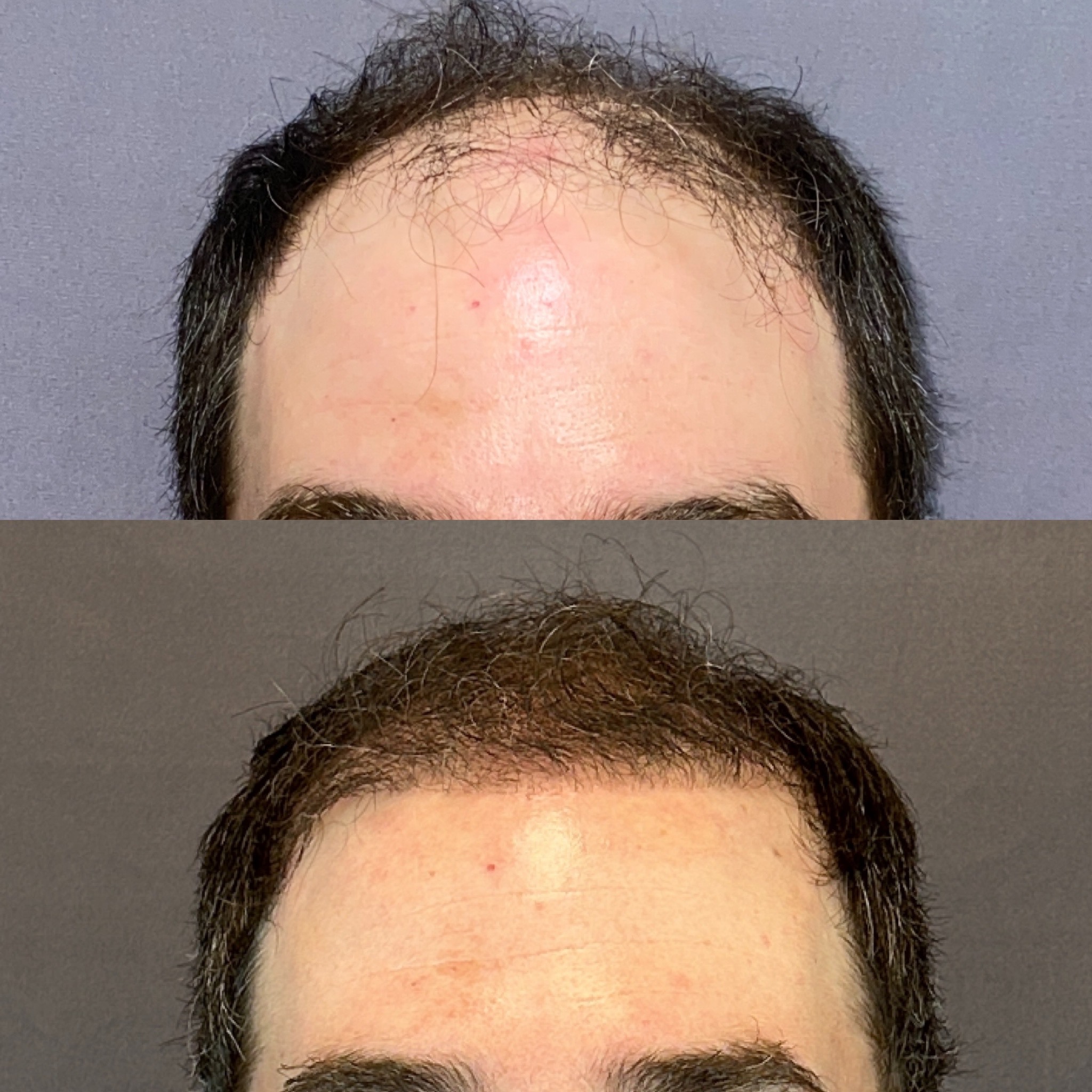
Hair transplants address hair loss by moving healthy follicles from one part of the scalp to another, and doctors use them to rebuild areas that look thinner with age. Since the hairline and crown affect how the face reads, even modest thinning often shifts a person’s overall appearance. Here is more information on the role of hair transplants to help restore youthful appearances:
Harvesting Hair
Doctors typically take donor hair from the back or sides of the scalp, and those areas typically keep denser growth over time. The donor zone matters. Since hair transplant results depend on available follicles, the surgeon first checks density, hair caliber, and scalp laxity before choosing a method.
Two standard harvesting methods exist, and each uses a different process:
- Follicular unit extraction (FUE)
- Follicular unit transplantation (FUT)
FUE removes individual follicular units with a small punch, and FUT removes a narrow strip of scalp for dissection into grafts. Both methods leave marks. Although the mark pattern differs, the surgeon aims to protect graft quality while managing the donor area carefully.
Restoring Thin Areas
After harvesting, the team sorts and prepares grafts, and then the surgeon places them into thinning regions. This step requires planning. Since the crown, mid-scalp, and temples lose density in different patterns, placement angles, and spacing vary by location.
In the frontal scalp, surgeons typically use smaller grafts first, and they place larger groupings farther back for density. Hair direction matters. When the angle looks natural, and the spacing stays controlled, the transplanted area blends more evenly with existing hair.
The crown often needs a different approach, and surgeons may build around a visible swirl pattern. This area changes slowly. As the crown covers a broad surface, doctors often discuss realistic graft distribution before treatment begins.
Creating a Full Hairline
The hairline has a strong effect on perceived age, and even small shifts in position change facial balance. Surgeons must map the front edge carefully. Since a low, straight line may look artificial over time, they typically design irregularity into the border.
A natural-looking hairline often includes:
- Single-hair grafts at the edge
- Uneven micro-patterns
- Softer temple transitions
Surgeons place the finest grafts in front, and they build density behind that zone. Precision guides this work. While patients focus on fullness, the shape, direction, and softness of the first few rows affect the final look more than raw graft numbers.
Leaving Minimal Scarring
All hair transplant methods create some form of scarring, but the goal is to keep it small and hard to detect. Technique affects visibility. Since punch size, wound closure, hairstyle, and skin traits all influence healing, scar appearance varies from person to person.
FUE often leaves many tiny round marks, and FUT leaves a linear scar in the donor region. Neither method erases all signs of surgery. When the surgeon manages extraction patterns and tension well, the scalp typically heals with less visible contrast.
Schedule a Hair Transplant Consultation
A consultation helps define the donor supply, treatment plan, and likely graft placement, and it gives you a clear view of the process. As hair loss patterns differ, the surgeon needs to review your scalp, hair characteristics, and long-term goals before recommending an approach. Schedule a hair transplant consultation to discuss your hair loss pattern and learn what treatment approach fits your case.
Sorry, the comment form is closed at this time.