

22 May The Role of Diet and Exercise in Weight Loss Surgery Success
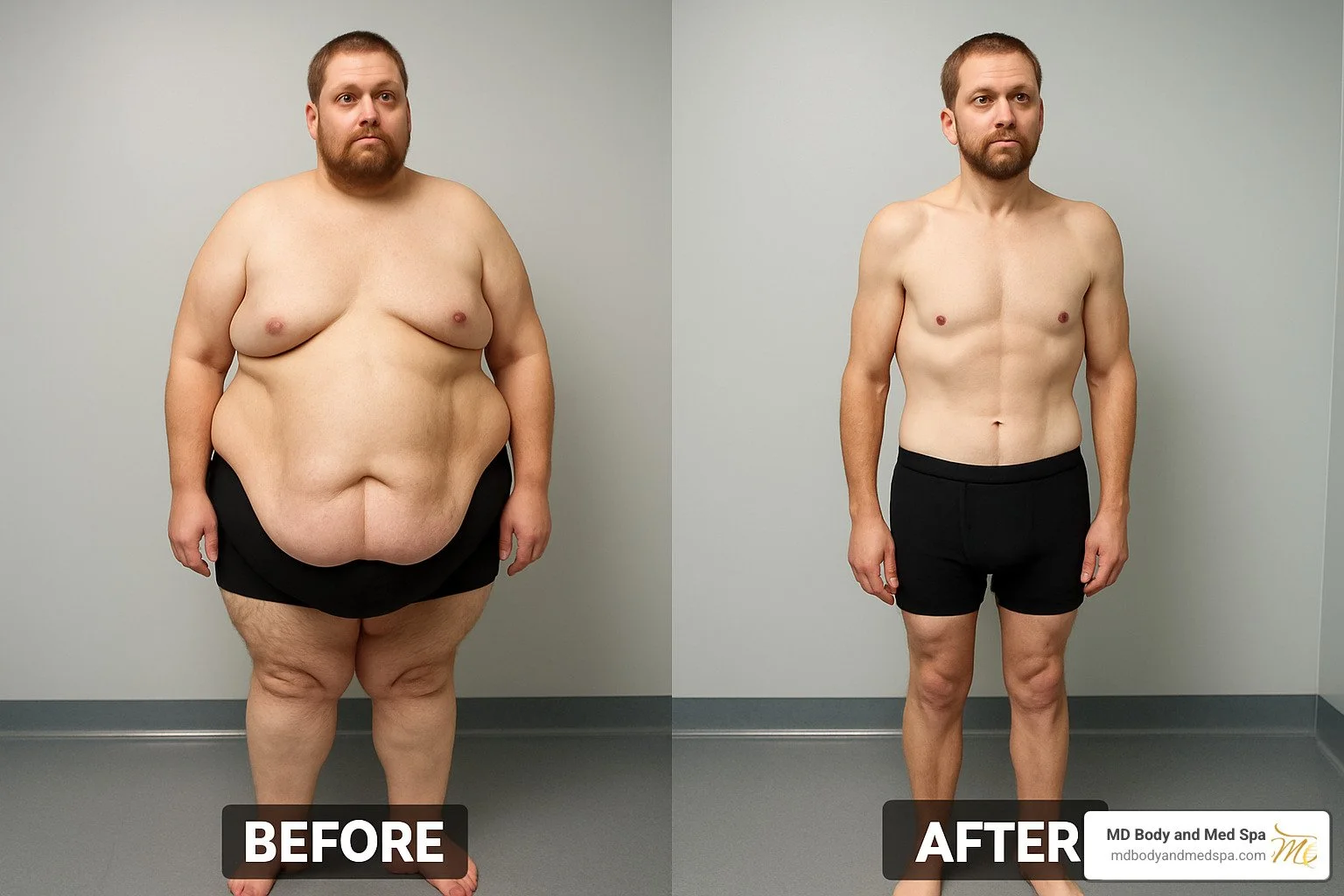
Weight loss surgery can support significant health and lifestyle changes, but long-term success often depends on the habits patients build before and after the procedure. A balanced diet, regular exercise, and ongoing medical guidance can support recovery and reduce the risk of complications. Here is more information on the role of diet and exercise in the success of surgical weight loss:
Preparing for the Surgery
Preparation for the weight loss surgery requires dedication. Patients must begin by modifying their eating patterns early, and they often work closely with clinical dietitians to establish new routines. Establishing a solid foundation is helpful for a smooth recovery, while poor preparation may lead to preventable difficulties later.
Doctors strongly recommend tracking daily food intake to understand current dietary habits. Patients can use a digital app to monitor meals, or they write down everything in a physical journal. This helps them identify specific areas that need immediate modification. Starting a basic physical activity routine builds physical stamina. Walking a few times a week is a great starting point, and swimming provides a low-impact alternative for excellent joint relief.
Building Post-Surgery Nutrition Habits
Adopting specific eating behaviors can support physical recovery and ongoing health. Patients progress through various dietary phases, with these stages gradually reintroducing solid foods over several weeks. Here are some key post-surgery nutrition habits:
- Prioritizing protein intake: Protein promotes tissue healing and helps preserve muscle mass during rapid weight loss phases.
- Eating frequent small meals: A reduced stomach capacity requires smaller portions to prevent digestive discomfort and vomiting.
- Chewing food thoroughly: Breaking down food completely prevents digestive blockages and promotes better overall nutrient absorption.
- Separating food and liquids: Drinking fluids with meals stretches the stomach and flushes food too quickly.
These specific habits form the fundamental core of the patient’s new daily routine.
Progressing Exercise Safely
Physical activity plays a fundamental role in maintaining lean muscle mass. Patients often lose muscle mass alongside body fat, but regular cardiovascular exercise can effectively counteract this natural decline. As patients recover from the weight loss surgery, a structured fitness plan can rebuild their strength over an extended period.
Medical teams generally advise light walking immediately after hospital discharge. Patients should avoid heavy lifting for several weeks, and they must carefully protect the healing surgical incisions. When the primary doctor clears them for more strenuous activity, they can gradually introduce basic resistance training.
Maintaining Weight
Maintaining a healthy weight requires ongoing dedication to both diet and physical activity. People sometimes slip back into old habits, but strict vigilance prevents gradual weight regain over the subsequent years. Here is how patients can maintain weight long-term:
- Attending follow-up appointments: Regular clinical check-ups help the medical team monitor health and identify any nutritional gaps early.
- Taking daily supplements: The body absorbs fewer vitamins post-operation, making lifelong supplementation necessary to prevent severe deficiencies.
- Monitoring portion sizes: Using small plates helps control portions visually and prevents accidental overeating.
- Staying hydrated: Drinking adequate water throughout the day helps regulate metabolism and prevent false hunger cues.
Lifelong physical maintenance depends entirely on the patient’s daily choices.
Schedule Your Weight Loss Surgery Consultation
Structured diet and exercise routines have a significant impact on the success of any weight loss procedure. The operation provides a mechanical advantage, and permanent lifestyle modifications amplify those initial physical changes. Contact a qualified healthcare provider near you to schedule your weight loss surgery consultation today.
Sorry, the comment form is closed at this time.