

27 May The Latest Advances In Atrial Fibrillation Treatment Options
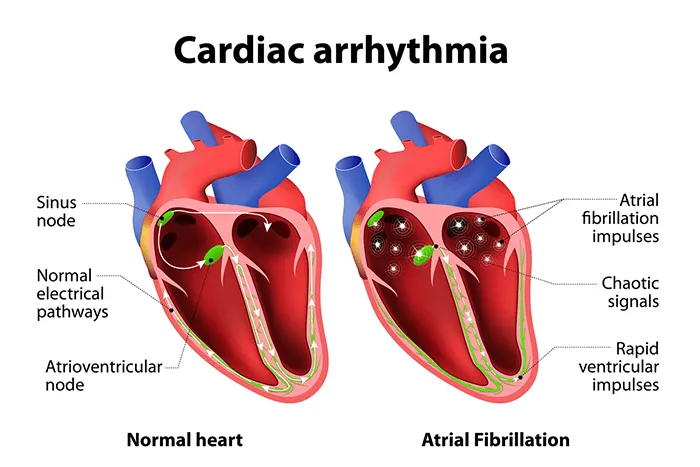
Atrial fibrillation changes how your heart beats. Irregular rhythms require proper medical attention. Innovative treatments exist today, and they offer management. Because medical science can advance, doctors understand this condition.
Medications for Heart Management
Medication therapy remains a primary treatment method of atrial fibrillation. Doctors prescribe these drugs based on rhythm, rate, clot risk, and other health needs. These medications control heart rates, and they may help restore normal rhythms. Some medicines slow electrical signals, while others help the heart maintain a steadier pattern. Patients take them daily, and follow-up visits guide safe dose changes. Blood tests may be needed, and your doctor will explain the schedule. Medications may reduce the risk of clot formation, and they sometimes require fewer adjustments. If side effects occur, report them promptly so your care team can review options. Medication plans change when symptoms change, and your history helps guide each decision.
Procedures for Rhythm Control
Before the procedure, your doctor will explain how it works. Electrical cardioversion resets the heart rhythm through a controlled electrical shock. They will also discuss what to expect. This is typically done in a hospital. You will receive a short-acting anesthetic, so you won’t be uncomfortable. Your doctor may combine it with medication to maintain a normal rhythm. Procedures include:
- Electrical cardioversion: Uses a controlled electrical shock to help reset the heart rhythm, often with short-acting anesthesia for comfort.
- Medication support: Your doctor may pair cardioversion with medication to help maintain a steadier rhythm after the procedure.
- Catheter ablation: Uses a thin tube guided to the heart, where heat or cold creates small scars to block faulty electrical signals.
In some cases, your doctor might recommend a catheter ablation. This procedure involves threading a thin, flexible tube (catheter) through your blood vessels to your heart. Once there, it uses either heat (radiofrequency energy) or cold (cryoablation) to create tiny scars on the heart tissue responsible for the irregular signals. Your care team will discuss whether this procedure is a suitable option for you. This decision is based on your specific condition and treatment history. This can block the faulty electrical pathways, and it restores a normal heartbeat.
Modifications for Daily Life
Living a heart-healthy lifestyle is a key part of managing atrial fibrillation, and it will support any medical treatments you’re receiving. Making positive changes to your daily habits can improve your overall health while reducing the strain on your heart. Follow your provider’s instructions. Here are some practical steps you can take:
- Quit Smoking: If you smoke, quitting is recommended for your heart.
- Limit Alcohol: Reducing your alcohol intake can help lower your risk of AFib episodes.
- Manage Stress: Find healthy ways to cope with stress, such as mindfulness, deep breathing exercises, or engaging in hobbies you enjoy.
- Maintain a Healthy Weight: Losing excess weight can reduce some of your symptoms.
- Eat a Heart-Healthy Diet: Focus on a diet rich in fruits, vegetables, whole grains, and lean proteins while limiting salt, saturated fats, and processed foods.
- Engage in Regular Physical Activity: Gentle exercises like walking, swimming, or yoga can strengthen your heart. Be sure to talk to your doctor before starting any new exercise program.
Treat Your Atrial Fibrillation Today
Review these treatment options, and schedule a medical appointment. Your healthcare team creates your treatment plan. Bring your medical history, and share your personal concerns openly. Since atrial fibrillation requires care, discuss these advances.
Sorry, the comment form is closed at this time.