

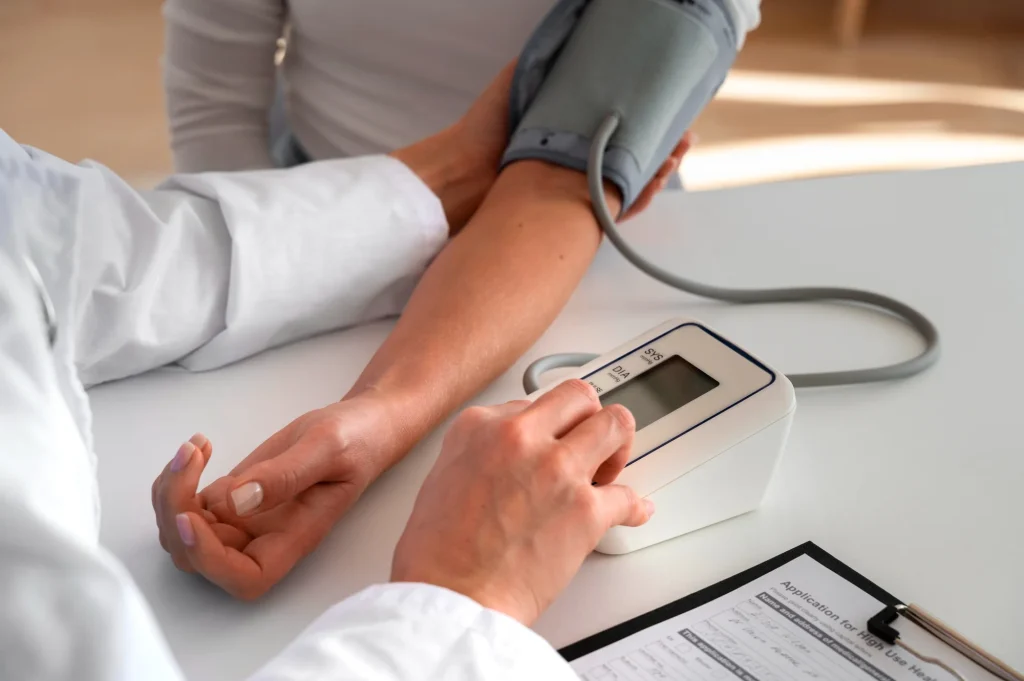
27 May The Benefits of Regular Monitoring for Hypertension
Hypertension, or high blood pressure, occurs when the force of blood against artery walls remains elevated over time. Many people do not experience symptoms, so routine measurement is often the only way to know their blood pressure. If left unmonitored, elevated blood pressure places continuous strain on the cardiovascular system, increasing the likelihood of complications. Here are some benefits of regular monitoring for hypertension:
Supports Early Detection
Blood pressure changes often happen gradually. A single reading at a clinic gives one point of information, while regular checks create a broader picture. This matters because some people have elevated readings for months or years without obvious signs.
Home monitoring helps identify patterns that need medical review. Readings that often stay above 130/80 mm Hg should prompt a discussion with a healthcare provider, depending on your health history and current guidelines. A clinician may ask about lifestyle factors, medications, or family history before making recommendations. Regular monitoring also helps detect differences between clinic and home readings. Some people have higher readings in a medical office due to stress, but others have higher numbers at home. Both situations give useful context. When you record readings at the same time each day, the numbers become more useful for review.
When taking blood pressure readings, good technique matters. Sit with your back supported, feet flat on the floor, and arm supported at heart level. Rest for five minutes before taking a reading. Avoid caffeine, nicotine, and exercise shortly before measurement when possible; this helps reduce avoidable variation.
Provides Treatment Evaluation
To manage hypertension effectively, doctors often recommend several forms of treatment. These usually include lifestyle changes and prescription medication, or both. Monitoring gives your healthcare provider data to compare against your care plan, and it helps determine whether your treatment is effective. Instead of relying only on occasional office visits, you have a record showing how readings behave on regular days.
If medication is prescribed, blood pressure logs may show whether readings shift after a dose change. They also help identify times of day when numbers run higher or lower. This information does not replace medical judgment, but it gives your provider more information.
Lifestyle changes may be tracked alongside readings, so healthcare providers are able to evaluate overall progress more accurately. Sodium intake, physical activity, or missed doses are often logged. These notes add context because a higher reading after poor sleep may be interpreted differently than a repeated pattern over several weeks.
Enables Trend Spotting
Tracking blood pressure trends over time helps patients understand their overall health, and patterns are more informative than individual readings.One elevated reading may reflect stress, recent activity, or measurement technique. Repeated readings, taken correctly over time, show whether blood pressure shifts or stays within a similar range. When recording data, include the:
- Date
- Time
- Systolic number
- Diastolic number
- Pulse
- Brief notes
Clear records help make conversations more focused and allow your provider to see changes. Trend spotting also supports better questions, and patients can identify patterns more easily over time. Because readings vary throughout the day, you may ask why morning readings differ from evening readings or whether a new medication affects your numbers.
Learn More About Hypertension
Regular monitoring for hypertension provides practical information about early changes, treatment response, and long-term patterns. It does not replace professional care, but it supports clearer conversations with your healthcare provider. Use a validated blood pressure monitor and keep a consistent record. If you have questions about your readings or risk factors, schedule a visit with a hypertension specialist today.
Sorry, the comment form is closed at this time.