

14 May The Benefits of CPR Certification for Parents and Caregivers
CPR certification equips parents with life-saving skills and strengthens their readiness for emergencies. When emergencies occur at home, trained caregivers are able to respond faster and reduce risk to children. Here are a few benefits of CPR certification for parents and caregivers:
Emergency Readiness Benefits
Recognizing emergencies quickly is necessary for effective intervention. Basic life support (BLS) training prepares adults to identify life-threatening situations and initiate appropriate lifesaving actions. Cardiopulmonary resuscitation (CPR), along with the use of automated external defibrillators (AEDs), helps maintain blood circulation and can assist in restoring a normal heart rhythm during cardiac arrest. First aid training also equips individuals with the skills to respond to breathing emergencies and manage blocked airways in children.
Certification Training Benefits
American Heart Association Heartsaver Courses build foundational emergency response skills and prepare individuals to act confidently in real-world situations. These courses establish baseline competencies for emergency recognition and response, including skills used in workplace and community settings. They also support readiness for more advanced instruction, such as Advanced Cardiovascular Life Support (ACLS) and Pediatric Advanced Life Support (PALS). PALS certification focuses on the assessment and treatment of infants and children, with emphasis on clinical judgment during pediatric emergencies. Certification strengthens decision-making in time-sensitive, high-stakes situations.
Structured training pathways organize the development of emergency care skills from basic to more specialized levels. Learners progress through increasingly advanced instruction as their professional roles expand. Instructor-level programs prepare individuals to teach standardized courses and maintain consistency in training delivery. These programs reinforce preparedness and support effective performance in emergency environments.
Hands-On Skills Benefits
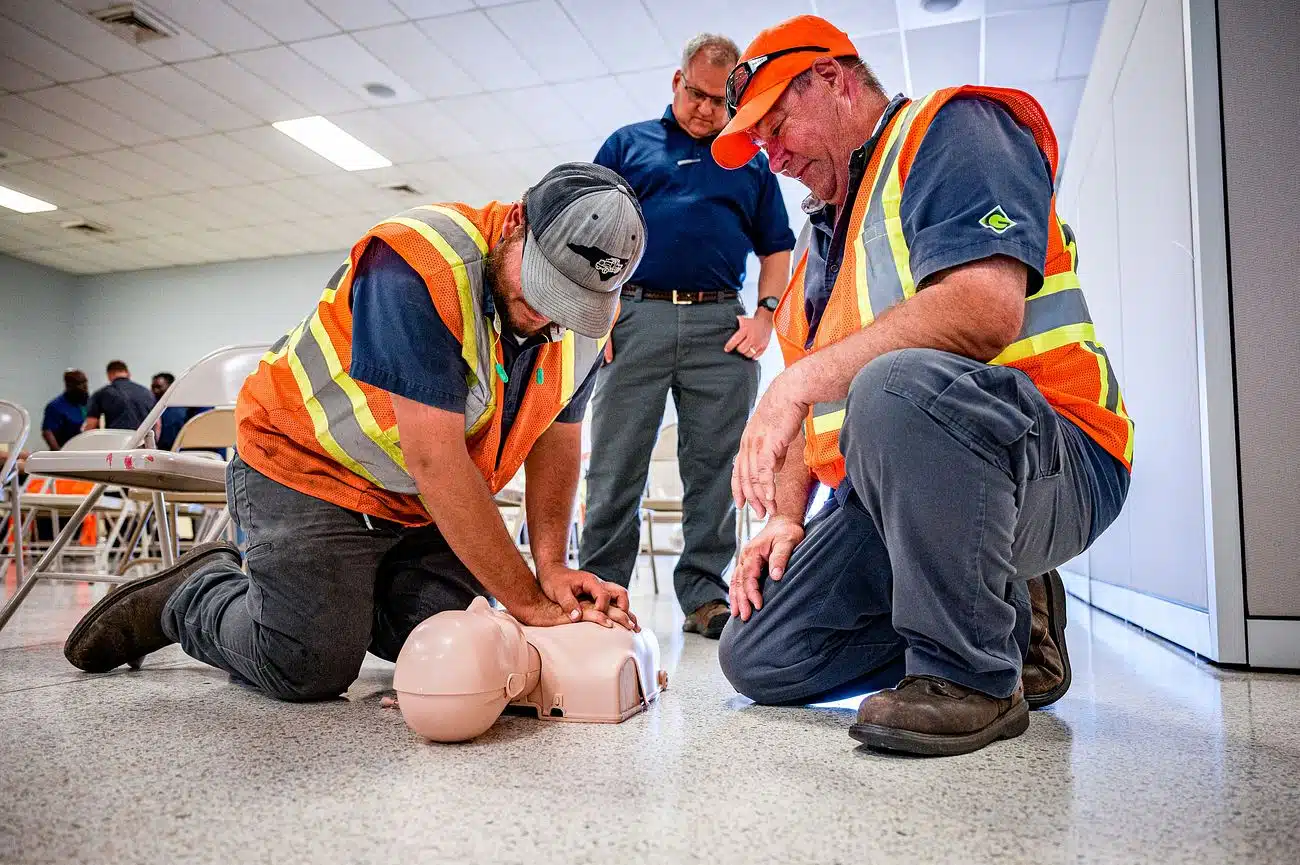
Hands-on training builds practical emergency response skills through supervised practice and guided repetition. Participants develop proficiency with emergency equipment, including manual bag-mask ventilation devices and automated external defibrillators, in simulated scenarios that reinforce correct technique and timing. First aid instruction prepares individuals to respond to conditions such as traumatic injuries and allergic reactions. Training programs also include structured pathways for initial certification and ongoing recertification to maintain skill readiness. Scenario-based learning reinforces decision-making under pressure, especially in complex situations. Safety-focused instruction strengthens situational awareness and supports the ability to identify hazards, reduce risk, and maintain a safe environment while providing emergency assistance.
Family Safety Benefits
Introducing basic safety planning and CPR certification helps parents and caregivers recognize risks that commonly lead to emergencies requiring resuscitation. Such situations include choking incidents, drowning hazards, or sudden cardiac arrest in the home environment. This awareness supports faster recognition of situations where CPR-certified response is needed. CPR certification also reinforces safe response practices during real emergencies, including protection from contamination when assisting an injured or unresponsive individual. Proper barrier use and hygiene procedures reduce exposure risks while providing care.
Group and in-home CPR training formats provide standardized instruction that helps caregivers practice coordinated emergency roles within a household. These sessions strengthen communication during simulated cardiac emergencies and clarify how responsibilities are shared when multiple responders are present. Family-focused training also supports the development of emergency action plans that define when to initiate CPR and how to activate emergency services efficiently. Online refresher courses reinforce retention of CPR techniques and maintain readiness for real-world application.
Get Your CPR Certification Today
CPR certification equips parents and caregivers to respond immediately to breathing or cardiac emergencies at home or in community settings, including recognizing distress and initiating appropriate lifesaving steps until professional help arrives. It replaces hesitation with prompt, structured action during events such as cardiac arrest or choking. Structured certification training also standardizes instruction and reinforces correct technique through practice, supporting consistent readiness for common emergency situations in caregiving environments. Improve your skills by starting a CPR certification course today.
Sorry, the comment form is closed at this time.