

22 May The Advantages of Different Materials Used in Dental Crowns
Restorative dentistry offers several methods for repairing damaged teeth, and dental crowns represent one common application in this field. Dental teams fabricate crowns from a variety of substances, ranging from metals to ceramics, each offering distinct advantages depending on the specific application and patient requirements. Selecting the best composition involves evaluating durability, aesthetics, and the location of the tooth requiring treatment.
What Are Dental Crowns?
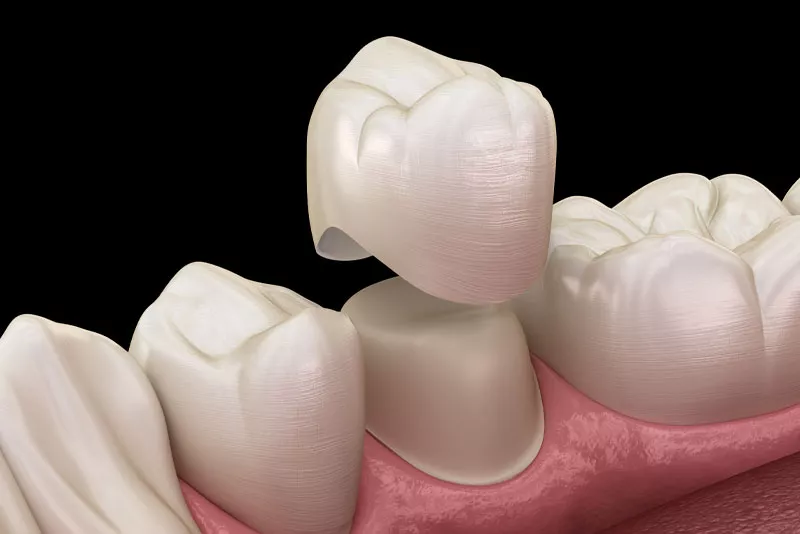
Dental crowns are custom-fabricated coverings designed to fit securely over an existing tooth or a dental implant. They function as a complete outer layer, shielding the underlying structure from further damage and restoring full chewing functionality. By matching the natural dimensions of the original tooth, a crown maintains proper spacing and alignment within the mouth.
Dentists utilize these coverings for a variety of clinical scenarios. A primary application involves protecting weak teeth that are susceptible to breaking, or it can hold together segments of a cracked tooth. When a tooth contains a massive filling with minimal natural structure remaining, a crown provides the necessary support. They also cover severely discolored or misshapen teeth to improve facial aesthetics.
Beyond repairing individual teeth, crowns play a key role in other dental treatments. They act as anchors for dental bridges and keep the artificial teeth securely positioned. Following a root canal, a tooth often becomes brittle, making a protective cap necessary to prevent fractures. They also serve as the visible, functional component attached to a dental implant.
What Types Exist?
Dental laboratories utilize several distinct substances to create these restorations, each providing unique benefits. Metal crowns demonstrate exceptional longevity and withstand heavy biting forces effortlessly. They rarely chip or break. A notable advantage is that they require a minimal amount of natural tooth removal during preparation. Because of their metallic color, dentists may recommend them for out-of-sight back molars.
Ceramic and porcelain options deliver the most natural color match compared to any other type and can mimic the light-reflecting properties of natural enamel. Certain types of ceramic offers strength and durability without the need for a metal base. These caps are a logical choice for patients with metal allergies, typically used for highly visible front teeth.
What Does the Process Involve?
The placement procedure may require two separate dental appointments. During the initial visit, the dentist evaluates the tooth to confirm it can support a crown. The dentist then reshapes the tooth by filing down the enamel and creates adequate space for the new cap to fit securely. If severe decay is present, filling material is used to build up the tooth structure.
Following the preparation, the dentist takes an impression of the reshaped tooth. These impressions go to a dental laboratory and technicians fabricate the permanent crown. The dentist attaches a temporary resin crown to protect the prepared tooth in the interim.
A second appointment occurs once the permanent restoration is ready. The dentist removes the temporary cap and evaluates the fit, color, and shape of the new permanent one. Once the crown’s suitability is verified, a strong dental cement bonds the permanent crown into its final position.
Confer With a Dentist
Maintaining the longevity of a dental crown involves practicing consistent daily oral hygiene. Brushing twice daily with toothpaste and flossing routinely will help prevent decay around the base of the restoration. Routine check-ups allow dental professionals to monitor the integrity of the crown, providing an opportunity to catch potential issues early. A qualified dental professional can evaluate your specific oral health needs and recommend the most suitable plan of action.
Sorry, the comment form is closed at this time.