

10 Apr Surgical Vs. Non-Surgical Hair Transplant Methods
A hair transplant can be an effective option for addressing hair loss and restoring a fuller appearance, but treatment approaches can vary depending on the patient’s needs and goals. Surgical and non-surgical methods offer distinct advantages, with differences in technique and results. Here is a closer look at surgical vs. non-surgical hair transplant methods:
Understanding Surgical Methods
Medical providers use specialized tools to harvest healthy hair follicles during surgical hair transplant procedures. They extract units from a donor area, and they carefully place them into the thinning sections. When providers perform Follicular Unit Extraction (FUE), they remove individual follicles directly from the scalp. Follicular Unit Transplant (FUT) involves removing a small strip of tissue from the back of the head. The medical team separates this strip into tiny grafts, and they implant these grafts into the target zones.
If a patient requires a large number of grafts, the surgeon may recommend the FUT method to achieve the desired density. The transplanted follicles establish a blood supply in their new location. The scalp heals over a few weeks, and the new hairs begin a normal growth cycle. After the initial shedding phase finishes, permanent hair gradually grows into the treated areas.
Exploring Non-Surgical Alternatives
Non-surgical hair transplant treatments aim to stimulate existing follicles to grow thicker hair. These conservative options do not involve incisions, and they require minimal downtime. When you contemplate non-surgical routes, you will find several approaches that help preserve your current hair density. Providers offer several conservative therapies to address hair thinning effectively. Here are some of them:
- Topical medications: Solutions like minoxidil slow down hair loss and stimulate new growth over time.
- Oral prescriptions: Medications are used to block specific hormones that cause follicles to shrink.
- Cell therapy: This clinical treatment uses cellular regeneration matrices to support weakened hair follicles.
These options require ongoing application to achieve and maintain results. Doctors track your follicular changes, and they adjust your prescription dosages accordingly.
Comparing Results and Recovery
Comparing these hair transplant methods reveals distinct differences in recovery times and long-term outcomes. Here are some of them:
- Recovery time: Surgery involves a brief healing phase for incisions, whereas non-surgical treatments involve no recovery period.
- Result longevity: Transplanted hair provides permanent growth, whereas conservative therapies require ongoing use to maintain benefits.
- Maintenance routines: Surgical patients follow temporary aftercare instructions, but non-surgical users often commit to long-term daily medical routines.
Make sure that you understand these factors to make an informed medical choice.
Choosing the Right Option
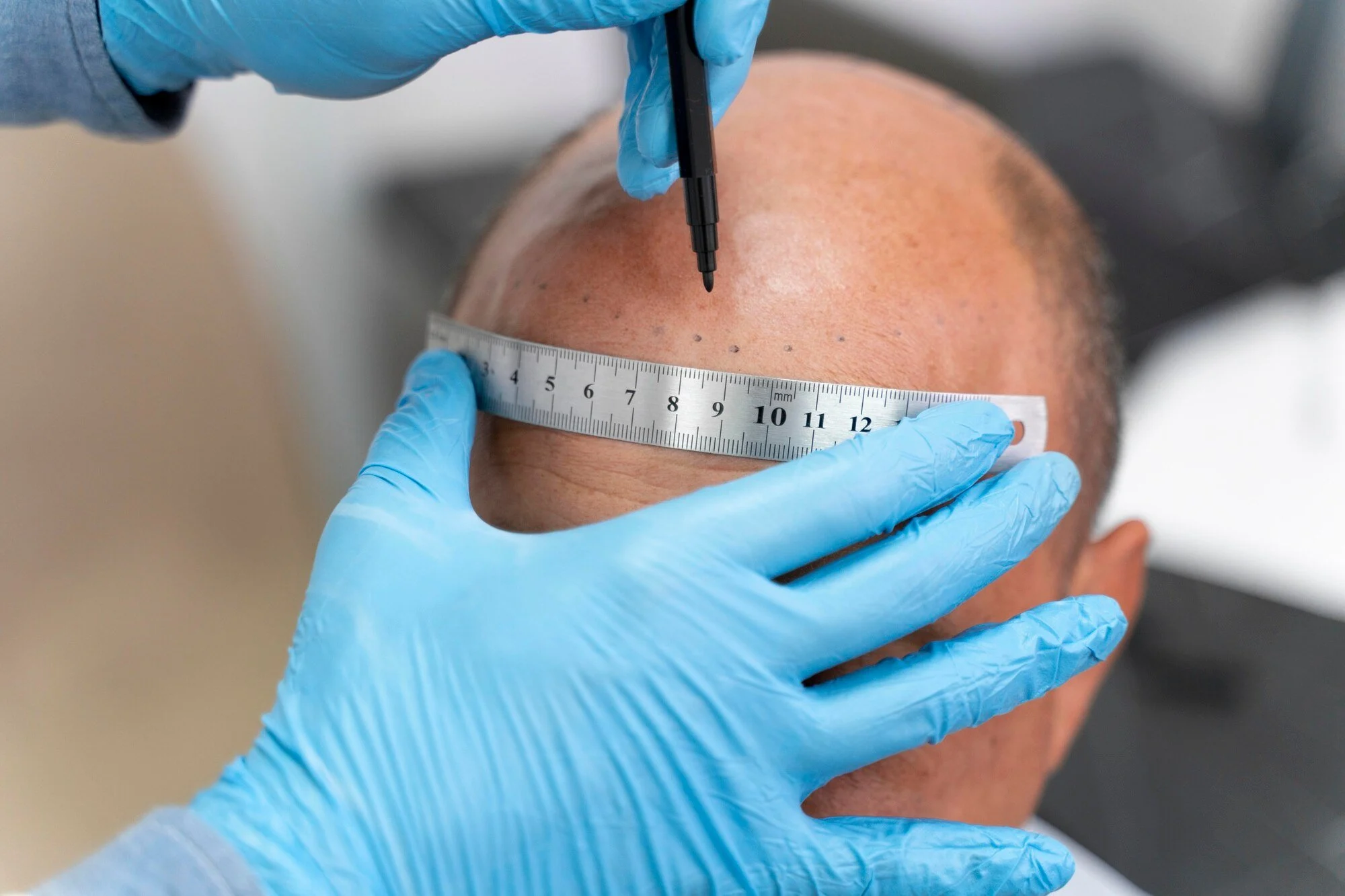
Your specific hair loss pattern often dictates the most effective treatment approach. A doctor assesses the donor area quality, and they measure the extent of the thinning regions. If you have advanced hair loss, a surgical hair transplant generally provides the most noticeable improvement.
Early-stage thinning often responds well to conservative management strategies. Patients can use medications to halt further loss, and they preserve their remaining hair density effectively. As you contemplate your available options, a consultation with a qualified specialist remains a key step in this process. Individual preferences also guide the selection of a restoration method. Some patients desire a permanent solution, and others prefer a less invasive medical approach.
Book Your Hair Transplant Appointment
Making an informed decision about hair restoration requires careful deliberation of various factors, including long-term maintenance and individual preferences. Thoroughly evaluating the advantages and potential drawbacks of each method, alongside personal goals, can help patients choose a solution that fits their needs and lifestyle. Contact a qualified hair restoration specialist to book your hair transplant appointment today.
Sorry, the comment form is closed at this time.