

19 May Recognizing the Symptoms of Melanoma
Melanoma is a skin cancer that can start in a mole. Early signs matter, and prompt review can support timely dermatology treatment. If you know what to watch for, you can notice changes and discuss them.
Identify Warning Signs
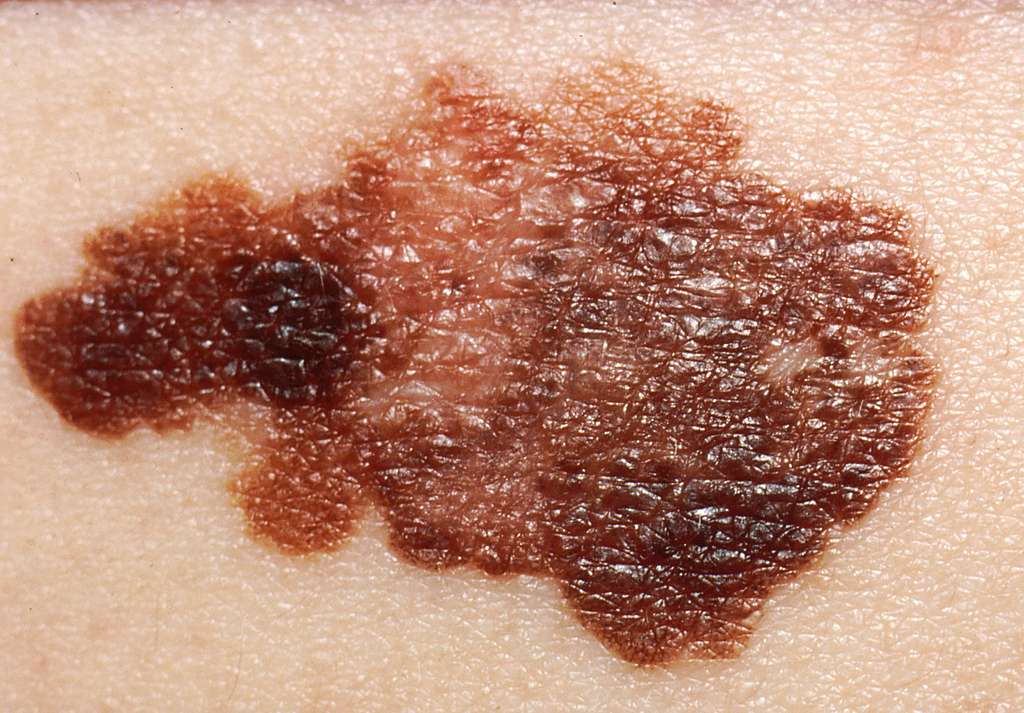
The ABCDE guide helps you assess dermatology changes. Since there are many factors to assess, this list provides many examples. Use good lighting during skin checks, and examine spots on the entire body. This guide includes:
- Asymmetry: One half of a spot does not match.
- Border: The edges may look uneven or not smooth.
- Color: A spot may show uneven shades of brown, black, gray, red, or white.
- Diameter: A spot larger than 6.0 mm may need review, especially with other warning signs.
- Evolving: A spot that is new or changing in size, shape, or color should be checked.
Color is another key sign, and mixed colors can suggest an abnormal change. Some lesions have one dark and one lighter area. Uneven patterns deserve attention. Color may spread unevenly across the spot, and patches appear more distinct over time. Compare the spot with nearby moles, while noting if the color looks mottled rather than uniform.
Understand Risk Factors
Family history matters because inherited traits can play a role. Some people have a higher risk of melanoma. If a close relative has had melanoma, your own risk may be higher, so that history should guide how carefully you monitor your skin. Past melanoma also raises concern. A previous diagnosis does not mean a new lesion is melanoma, but it does mean regular skin checks matter. Skin traits affect how the skin responds to ultraviolet light, and people with less natural pigment burn more easily.
Easy burning matters. If your skin burns quickly and tans poorly, you may need closer attention to new or changing spots. These traits do not predict melanoma on their own, but they help explain why routine self-checks and clinical follow-up are useful. Sun exposure is a major factor. Excess sun exposure raises risk, and blistering sunburns damage skin deeply.
Review Treatment Options
When a melanoma is identified early, surgery may be the main treatment. Dermatology treatment depends on the lesion and the stage. The size and depth of the lesion help guide the plan, and the lesion’s location also affects the procedure. A clinician will review the biopsy findings, and those details help determine how much tissue should be removed. Clear margins matter. Excision is often done with local anesthesia, and many procedures can be completed in an outpatient setting. Recovery varies by site. Treatment planning is individualized.
Book a Dermatology Visit
Check your skin on a regular schedule. Look for asymmetry, border changes, uneven color, larger diameter, and evolving spots. If you see a new or changing spot, schedule a medical evaluation soon. A clinician can examine the area, and they decide whether more testing is needed. If you have several risk factors, regular professional skin checks are useful. Early attention is practical, and it helps you act on clear information.
Sorry, the comment form is closed at this time.