

27 May Preventative Measures To Reduce Leg Pain
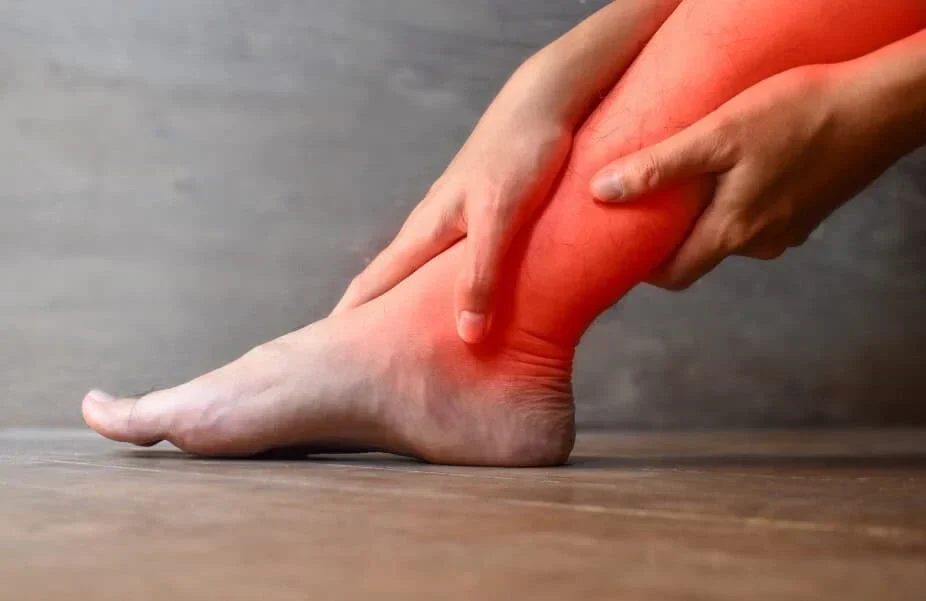
Leg pain can stem from various musculoskeletal and neurological conditions, affecting daily mobility and quality of life. Patients can reduce leg pain through specific lifestyle modifications, such as regular low-impact exercise and proper footwear, and professional medical guidance provides targeted treatment plans for sustained relief. Here is more information on this type of pain, what causes it, how it affects daily life, and effective preventative measures:
What Is Leg Pain?
Medical professionals define leg pain as any neurological or musculoskeletal discomfort occurring between the pelvis and the heels. The sensation ranges from a dull ache to an intense stabbing pain, and it occurs either constantly or intermittently. When nerve pathways sustain damage, patients may describe the resulting sensation as burning or tingling.
What Causes It?
Leg pain can arise from various sources, including musculoskeletal, vascular, and neurological issues.
- Musculoskeletal injuries: Muscle strains from strenuous physical activity are a common cause of leg pain.
- Vascular conditions: Poor blood circulation can lead to discomfort in the lower extremities.
- Neurological compression: Conditions such as a herniated disc can put pressure on nerves.
- Nutritional deficiencies: Low nutrient levels can disrupt normal muscle function and cause painful cramps.
While cramps may resolve quickly, the resulting soreness sometimes persists.
How Is Daily Life Affected?
Chronic lower extremity discomfort limits a patient’s functional mobility. Routine activities may become physically demanding, and patients sometimes alter their gait to compensate for pain. Since the body constantly adjusts to mitigate the pain, secondary joint issues occasionally develop in the hips or lower back.
Sleep disturbances may accompany persistent neurological or muscular symptoms, as some patients struggle to find a comfortable resting position. This continuous sleep deprivation decreases their overall energy levels, lowering their quality of life. An individual’s pain tolerance may decrease with chronic fatigue.
What Are Effective Preventative Measures?
Clinical practitioners recommend several lifestyle changes to manage and reduce lower limb discomfort. Regular stretching exercises maintain muscle flexibility, and cardiovascular activities promote blood circulation throughout the extremities. When patients maintain a healthy body mass index, they reduce the mechanical stress placed on their weight-bearing joints.
If individuals stand for prolonged periods, compression stockings help prevent blood pooling in the lower legs. Proper footwear selection plays a valuable role in providing adequate arch support and shock absorption. Patients should replace worn athletic shoes regularly, and healthcare professionals may advise against wearing high heels for extended durations.
Environmental modifications also contribute to symptom reduction at home and in the workplace. Ergonomic floor mats cushion hard surfaces, and adjustable chairs facilitate proper seated posture. Continuous standing strains the vascular system, so workers benefit from taking scheduled breaks to elevate their legs.
How Is Professional Guidance Beneficial?
Consulting a healthcare provider gives patients an accurate diagnosis of their underlying pathology. Physicians utilize advanced imaging techniques to identify structural abnormalities, and healthcare providers design customized rehabilitation protocols. If conservative management fails to produce results, specialists can recommend advanced pharmacological interventions.
Reduce Your Leg Pain Today
Proactive management of lower extremity discomfort requires a consistent commitment to evidence-based practices. Since every medical case presents unique challenges, individuals need to schedule a clinical evaluation to receive a personalized treatment strategy. Clinical staff guides patients through the recovery process, and specialized equipment accelerates tissue healing. Consult a vascular specialist today.
Sorry, the comment form is closed at this time.