

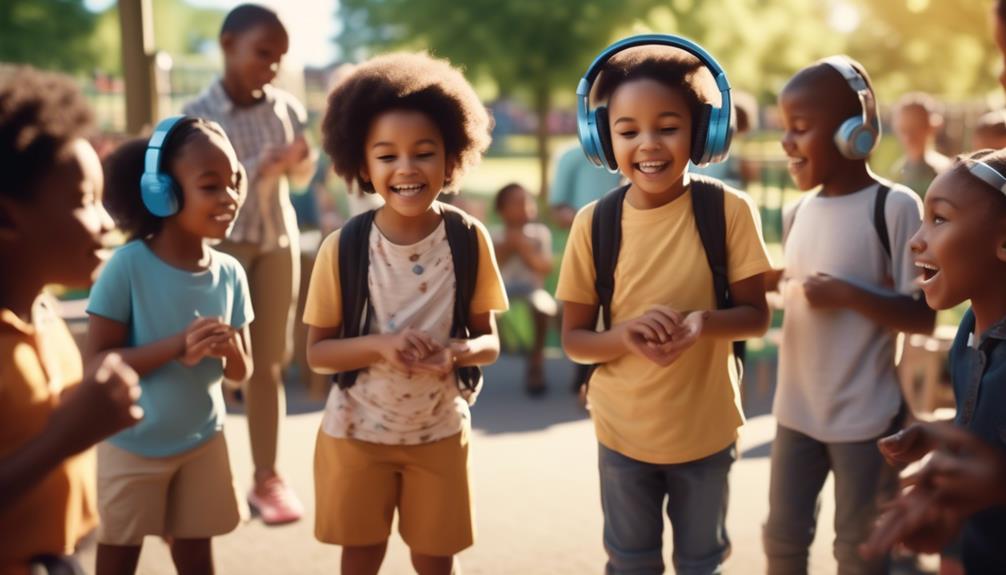
28 May Navigating Social Skills Development for Children With Autism
Autism spectrum disorder presents unique developmental trajectories for affected individuals, necessitating that parents and guardians seek structured management methods. Social skills are a primary focus of therapeutic interventions. When children receive this diagnosis, they process interpersonal interactions differently from neurotypical peers. Here is more information on navigating social skills development with professional guidance:
What Is Autism?
Autism spectrum disorder is a complex neurodevelopmental condition. Since this condition exists on a spectrum, clinicians observe a wide variance in symptom presentation and severity. The disorder primarily affects sensory perception, and it dictates how an individual interacts with others.
These developmental differences are traced to specific neurological factors. While the exact cause is unknown, an autistic child’s brain structures process sensory input through distinct pathways. Diagnostic criteria center on observable behavioral differences, and physicians may document social communication variances during clinical evaluations.
How Does It Affect Children?
The condition impacts pediatric processing and engagement. Some individuals experience heightened sensitivity to sensory inputs, and others exhibit decreased responsiveness. These neurological differences alter standard processing, resulting in specific behavioral adaptations.
Peer interactions become complex for these children because standard social cues do not register naturally. A child may struggle to interpret facial expressions. They may misunderstand vocal tones during conversations, so forming standard peer relationships requires deliberate practice.
What Are the Signs?
Clinicians identify specific behavioral markers during early developmental stages, including:
- Delayed response to their name
- Limited eye contact during play
- Repetitive physical movements
- Delayed speech development
- Echoing words spoken by others
When medical professionals conduct standard pediatric assessments, they carefully document these variances.
How Are Social Skills Developed?
Skill acquisition relies on evidence-based behavioral interventions. Practitioners may use applied behavior analysis, and they implement specific cognitive training groups. When children participate in structured role-playing scenarios, they practice reciprocal conversation in a controlled environment. Clinicians break down complex interactions into manageable, discrete steps.
Visual supports provide additional support for communication tasks, and social stories explain specific social situations. Visual schedules clarify expectations for upcoming activities. As pediatric patients master basic turn-taking concepts, healthcare providers may gradually introduce more advanced conversational frameworks. Consistent reinforcement of these target behaviors facilitates long-term skill retention, and it can help patients live more fulfilling lives.
Peer-mediated interventions offer another proven option for behavioral growth. Clinicians can train neurotypical peers to initiate interactions, and this strategy creates natural socialization opportunities. If the pediatric patient struggles to maintain the conversation, the trained peer provides subtle prompts to sustain engagement.
How Is Professional Guidance Beneficial?
Clinical practitioners bring specialized diagnostic expertise to the developmental process. A healthcare professional will assess the child’s current capabilities, and they can create a targeted intervention plan. If caregivers follow this empirical approach, the structured methodology may yield measurable outcomes over time.
Navigate Social Skills Development Now
Caregivers play a central role in facilitating developmental milestones. After healthcare professionals document baseline capabilities, they can recommend specialized therapeutic services. Implement structured routines at home to supplement clinical interventions. Connect with a healthcare provider in your local area and establish an individualized treatment plan.
Sorry, the comment form is closed at this time.