

22 May Key Newborn Care Practices for First-Time Parents
Newborn care is the day-to-day care given to a baby in the first weeks of life. It includes feeding, sleep routines, diapering, hygiene, checkups, and watching for changes in behavior or health. For first-time parents, the goal is to follow a simple care routine and attend scheduled medical visits. Here’s more information on key newborn care practices and when to contact a doctor for added guidance:
Going to Newborn Care Visits
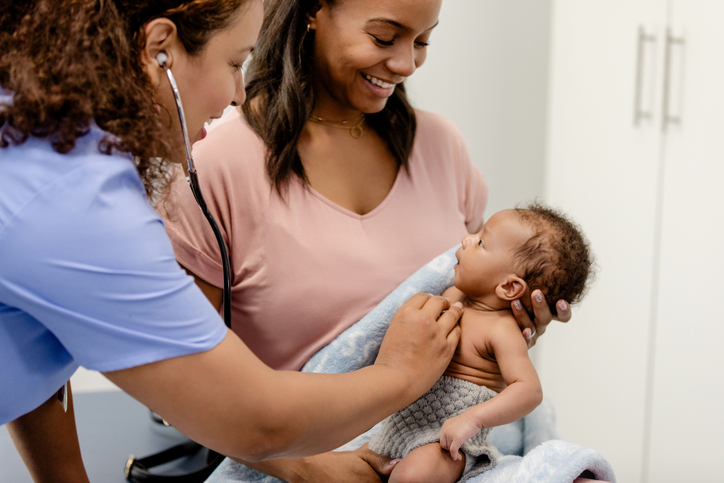
Regular newborn care visits help track early growth and basic development. The first wellness visit happens around five days after birth to assess an infant’s size and height, and to screen their vision, hearing, and reflexes. This appointment may also include a review of the baby’s feeding patterns and general activity level. After the first visit, the pediatrician will set a schedule for follow-up appointments.
Newborn care visits are used to measure weight, length, and head size, and they give parents a set time to ask questions. Parents can make each visit more useful by keeping notes at home. Record feeding times, wet and dirty diapers, sleep patterns, and any concerns you want to discuss. Bring this information to the appointment, and use it to give clear answers when the doctor asks how the baby is doing. Some key topics to discuss are:
- Feeding Amounts
- Sleep Position
- Bathing
- Umbilicalcord Care
Getting Vaccinations
Vaccinations are part of routine newborn and infant preventive care; they are given on a schedule that a pediatrician will explain. Each vaccine visit is a chance to review what is being given and when the next dose is due. Parents should ask for a written vaccine schedule so they can plan visits in advance and keep records in one place. To stay proactive about the baby’s health, parents should keep dates, vaccine names, and clinic instructions organized and accessible. The doctor or nurse will explain the purpose of each vaccine, and they can also tell parents which short-term reactions to monitor after the appointment.
Visiting a Pediatrician for Illness
Parents should bring a newborn to a pediatrician outside regular wellness visits when the baby shows signs that are new, persistent, or hard to interpret. A fever in a newborn should be reported promptly to their primary doctor. Parents do not need to wait until a problem becomes severe before calling. If a symptom appears suddenly, or if basic care at home does not seem to help, contact the pediatrician’s office for guidance. Many offices have nurse lines or after-hours instructions, and these services can help parents decide whether the baby should be seen the same day.
Parents should also contact the pediatrician if the baby has repeatedly vomited, ongoing diarrhea, worsening rash, or yellowing of the skin that seems more noticeable. Some signs of dehydration to watch out for include having a dry mouth or fewer wet diapers than usual. If their umbilical cord area looks irritated, has drainage, or develops a bad odor, it is reasonable to schedule an exam.
Plan Your Schedule With a Pediatrician
Knowing your personal schedule makes newborn care easier to manage. Start with the pediatrician’s recommended wellness visit schedule, then add feeding logs, vaccine dates, and reminders for questions you want to ask to your calendar. It also helps to write down the clinic’s daytime number and their after-hours contact process. Use a notebook, phone app, or printed chart, but keep the system simple enough to update every day. A clear plan supports routine care and helps you, as a parent, act faster when health concerns come up. With regular visits and direct communication with a pediatrician, you can manage newborn care in a practical and effective way.
Sorry, the comment form is closed at this time.