

15 May How Women’s Health Clinics Address Unique Healthcare Needs
Women’s health covers physical, hormonal, sexual, and reproductive care across many life stages. These needs shift over time, and clinics address them through focused services and coordinated care. When you have unique healthcare needs, this is how women’s health clinics structure visits, testing, prevention, and treatment:
Medical Evaluations
A women’s health clinic starts with a detailed medical evaluation, and the visit often covers current symptoms and health history. Clinicians ask about menstrual patterns. Since hormones, age, and pregnancy history shape risk, providers review those details early.
The exam may include blood pressure, weight, and a pelvic or breast exam, and each step serves a clear purpose. Some visits focus on pain or bleeding. When symptoms point to infection, hormone changes, or structural issues, the provider narrows the next steps.
Clinicians also review family history, medications, and past test results, and that information guides follow-up care. You can discuss fertility goals. If a patient reports cycle changes, fatigue, or pelvic pressure, the clinic may order targeted testing.
On-site Diagnostics
Many women’s health clinics offer on-site diagnostics, and that setup reduces delays between the exam and testing. Staff collect samples during the visit. When a provider needs fast answers, this process typically supports quicker clinical decisions.
Standard on-site services include:
- Pregnancy testing
- Urine testing
- STI screening
- Pap tests
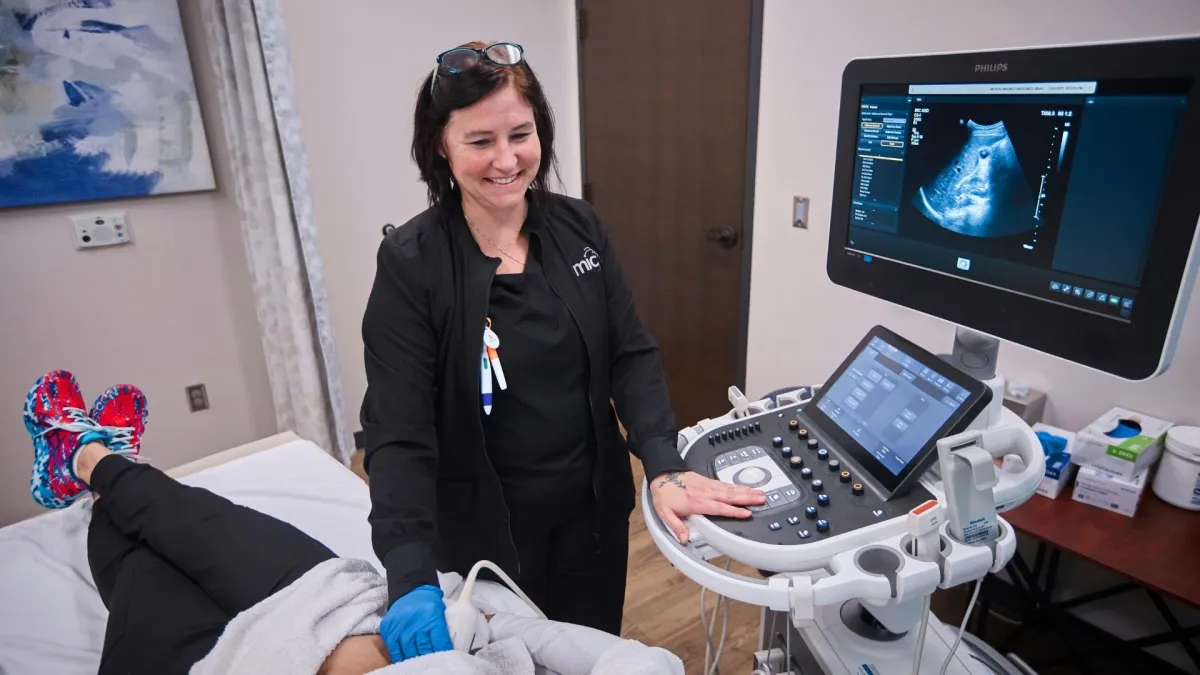
Some clinics also provide ultrasound services, and imaging helps assess pelvic pain, cysts, fibroids, or early pregnancy concerns. Results may be reviewed the same day. If imaging is not available on-site, the clinic arranges referral testing.
Preventive Care
Preventive care addresses health risks before symptoms appear, and clinics use age and history to plan that care. Screenings track changes over time. Since some diseases develop with few early signs, routine visits remain part of long-term health management.
A preventive visit may include cervical cancer screening, breast exams, and vaccine review, and each service fits the patient’s profile. Providers also discuss sexual health. When risk factors change, screening schedules may change as well.
Lifestyle counseling appears in many visits, and the focus typically stays practical and specific. Clinics may address:
- Sleep
- Nutrition
- Exercise
- Tobacco use
Birth control counseling is often part of preventive care, and providers explain methods based on health status and personal preference. Some patients may need symptom control. If a method affects bleeding, migraines, or blood pressure, the clinic adjusts the plan.
Personalized Treatments
Treatment plans vary by diagnosis, age, and goals, and clinics build them around the patient’s medical picture. Some plans involve medication. When symptoms stem from several causes, treatment may include testing, monitoring, and specialist referral.
Women’s health clinics also manage chronic or recurring issues, and these may include endometriosis, PCOS, menopause symptoms, or recurrent infections. Follow-up visits track response. If a treatment no longer fits, changes are made based on new findings. Key services typically include:
- Routine procedures
- Tailored treatment plans
Find a Women’s Health Clinic
Choosing a clinic takes some research, and a practical review of services helps narrow the options. Look for exam services, testing access, and clear follow-up processes. If you need contraception, pregnancy care, or menopause support, ask whether those services are offered. Contact a local women’s health clinic and schedule a visit that matches your needs.
Sorry, the comment form is closed at this time.