

21 May Choosing the Right Type of Veneers for Your Smile
Veneers cover the front surface of teeth, and dentists use them to change shape, color, or size. They bond to natural enamel. As veneer types differ in material, thickness, and placement, you need clear facts before choosing one. Here is more information on choosing the right type of veneers:
Porcelain Veneers
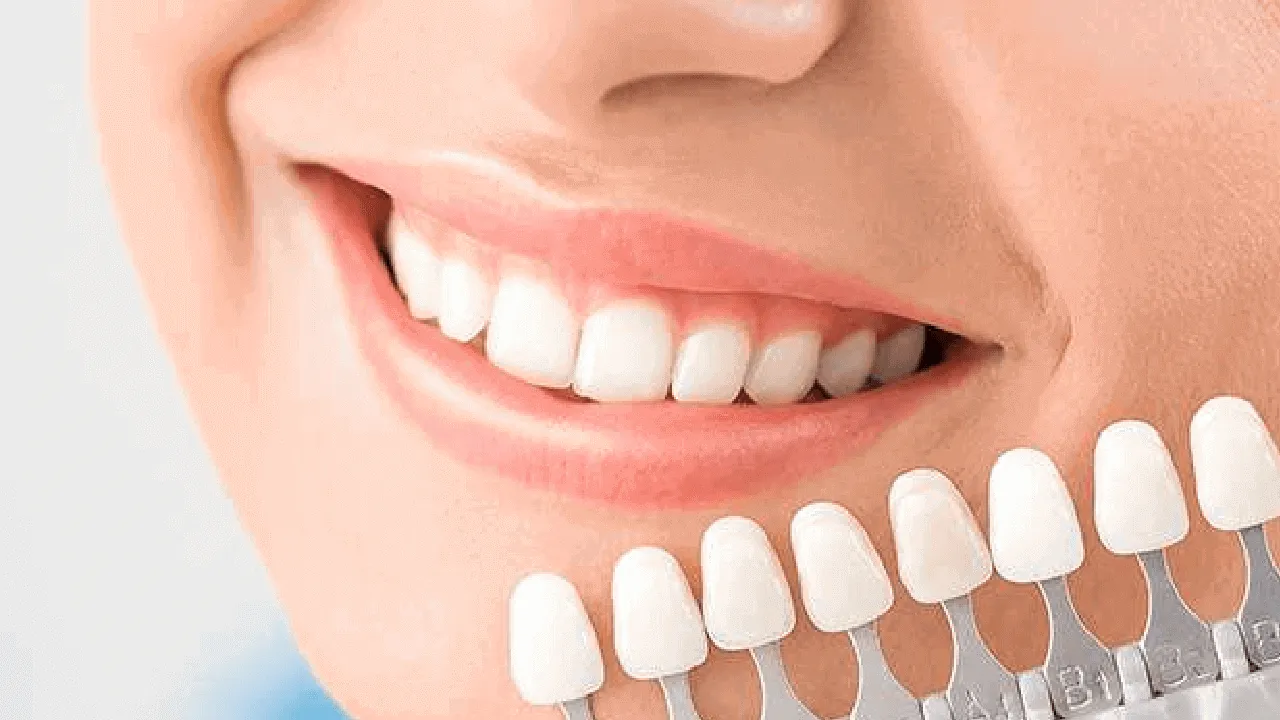
Porcelain veneers are stain-resistant, and dentists use them for long-term cosmetic treatment. They require tooth preparation. Since the lab customizes each piece, the fit and shade usually match nearby teeth closely. A dentist removes a thin layer of enamel, and that step creates room for the veneer.
When the tooth has enough healthy structure, porcelain often works for chips, gaps, or uneven edges. Porcelain works on single teeth or several teeth, but treatment planning changes with each case. Shade selection matters. Since front teeth show at rest and during speech, small color differences often stand out.
No-prep Options
No-prep veneers use very thin material, and dentists place them with little or no enamel removal. Placement stays more conservative. Since they add thickness to the tooth surface, they do not suit every bite or tooth shape.
These veneers fit some mild cosmetic concerns, and they often target small spaces or minor shape changes. Not every patient qualifies. If teeth already project outward, extra thickness may create a bulky look.
Typical points a dentist reviews include:
- Tooth position
- Bite pattern
- Enamel amount
These factors affect veneer selection, and they also affect the final contour. A full exam gives direction. Since no-prep systems rely on surface bonding, enamel quality plays a large role.
Temporary Veneers
Temporary veneers serve short-term use, and they usually protect prepared teeth between visits. They are not final restorations. Although they resemble finished veneers, their material tends to wear faster and stain more easily.
Some people also use removable temporary veneers, but those products differ from dentist-made temporaries. Fit varies widely. Since they do not bond like custom restorations, they may shift during eating or speaking.
A temporary veneer helps maintain appearance, and it also gives the dentist feedback on shape. You may notice rough edges. When the speech or bite feels off, the dentist can adjust the design before the final placement.
Specific Areas
Some veneer plans address one tooth, and others focus on the most visible upper front teeth. Location affects material choice. As lower teeth show less in many smiles, treatment goals may differ by area. Dentists may also limit veneers to problem spots, and that approach reduces the number of treated teeth. Typical targets include:
- Chipped central incisor
- Discolored lateral tooth
- Uneven canine
Get Veneers From a Dentist
A dentist checks enamel, bite, and gum health, and those findings guide the veneer type. Veneers are not one-size-fits-all, and since each option has limits in thickness, prep needs, and lifespan, a professional exam gives useful details. Bring questions to your appointment, and ask about materials, tooth reduction, and maintenance; clear answers help you compare options. If you want veneers, schedule a dental consultation and get a treatment plan based on your teeth.
Sorry, the comment form is closed at this time.