

09 Apr How To Choose the Right Footwear to Prevent Heel Pain
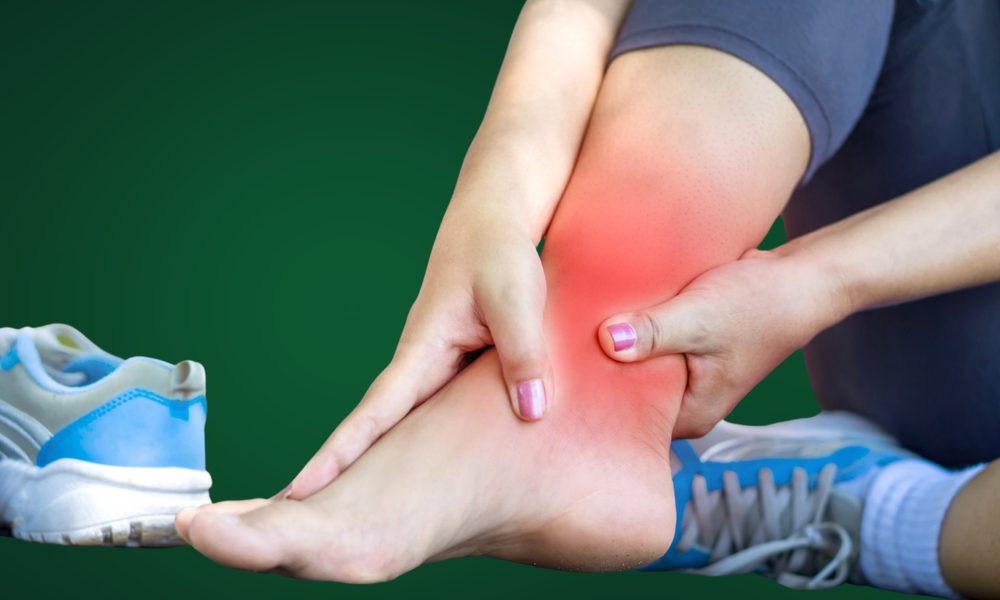
Heel pain occurs frequently among active adults. The physical load of walking, running, or standing requires adequate support to mitigate unnecessary strain on the lower extremities. When a person lacks proper mechanical support, the repetitive stress can lead to long-term discomfort and structural problems in the feet. Selecting appropriate shoes plays a direct role in minimizing this stress and preserving foot function.
What Causes Heel Pain?
Heel pain can manifest beneath the sole of the foot or behind the heel bone. Several distinct conditions lead to this discomfort, often resulting from repetitive strain or improper foot mechanics. The most frequent cause of heel pain is plantar fasciitis, which develops when the thick band of tissue running across the bottom of the foot becomes strained. Excessive running, jumping injuries, or wearing unsupportive shoes frequently trigger this inflammation.
Heel Spurs
If plantar fasciitis remains untreated, the persistent tension on the heel bone can cause calcium deposits to form. These bony protrusions are known as heel spurs. The spurs themselves may not always generate pain, but they indicate prolonged stress on the plantar fascia and complicate the recovery process.
Achilles Tendon Issues
Pain located at the back of the heel can point to complications with the Achilles tendon. Overusing this tendon during physical activities, like running or dancing, may lead to inflammation. Wearing footwear that tightly grips the back of the heel also places direct, constant pressure on the tendon and exacerbates the problem.
How Do You Choose Footwear?
Selecting proper footwear directly impacts foot health and helps distribute the physical stress of walking and standing. Rather than focusing solely on aesthetics, a buyer must evaluate the structural components of the shoe to protect the heel and surrounding tissues. A shoe must offer adequate arch support tailored to the specific shape of the foot. Proper arch support prevents the foot from flattening out excessively during movement, which may reduce the tension placed on the plantar fascia. Shoes lacking interior contours can force the foot muscles and ligaments to work harder to maintain stability.
The back section of the shoe should hold its shape when pressed. A firm heel counter can lock the heel in place, preventing excessive side-to-side motion during walking. This stability may reduce friction against the Achilles tendon and keep the foot aligned properly. The sole of the shoe serves as the primary shock absorber. Thick soles diminish the impact force that travels from the ground into the heel bone.
When Should You Seek Care?
Resting the foot often resolves minor heel discomfort within a few days. Certain symptoms indicate a more severe underlying issue and require a professional medical evaluation. An individual should seek an appointment with an orthopedic doctor or podiatrist if specific warning signs appear. A patient should schedule an evaluation if heel pain persists beyond a two-week period despite rest. Sudden, severe pain also requires immediate attention, as it may signify a ruptured ligament or a fracture. The absolute inability to place any weight or pressure on the heel necessitates prompt clinical imaging and diagnosis.
Consult an Orthopedic Specialist
An orthopedic specialist or podiatrist provides exact diagnoses, since they use physical examinations and imaging technologies like X-rays or MRIs. Accurate identification of the specific structural issue allows the physician to recommend targeted interventions. By consulting a specialist, individuals receive a comprehensive treatment plan to restore full mobility and function.
Sorry, the comment form is closed at this time.