

31 Dec Why Your Foot Doctor is Helpful for Ingrown Toenails
Ingrown toenails are a podiatric condition that can cause discomfort if not addressed properly. While many individuals attempt to manage this issue at home, a podiatrist offers specialized knowledge that aids in a safe and effective resolution. Professional intervention minimizes risks associated with improper nail care, and it provides a clear path to recovery.
Understand the Root Cause
Ingrown toenails happen when the edge of the toenail grows into the surrounding skin, causing pain and potential complications. Your foot doctor starts by identifying the mechanical or genetic factors contributing to your condition. Some people have naturally curved nails that make them more prone to this issue, while others experience it due to improper footwear choices.
By understanding the cause of your ingrown nail, a specialist can provide advice tailored to your situation. This diagnostic step is beneficial because treating just the symptom often leads to recurrence. Addressing the underlying issue can aid in a lasting solution.
Recognize Symptoms Early
Early identification of symptoms can prevent a minor irritation from becoming a major medical concern. You might notice redness or swelling along the side of the toe before any significant pain develops. A foot doctor can distinguish between a simple irritation and the early stages of an infection, which requires different management strategies. Ignoring these early signs often exacerbates the problem, making the eventual treatment more complex. Recognizing changes in the nail bed early allows for less invasive interventions.
Explore Treatment Options
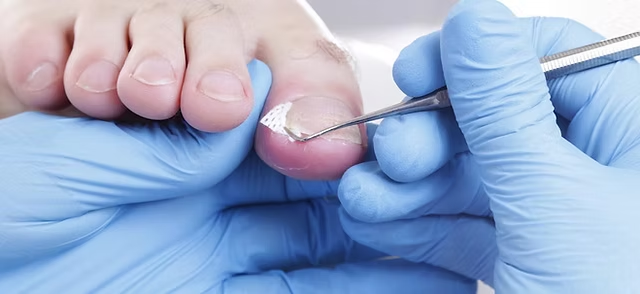
Medical professionals have access to a variety of treatment methods that are far superior to bathroom surgery. For mild cases, your doctor might lift the nail and place a splint underneath it to encourage proper growth away from the skin. In more persistent cases, a partial nail avulsion may be performed, where a portion of the nail is professionally removed.
- Lifting the nail: A non-invasive method often used for minor cases.
- Partial nail removal: A procedure to remove the offending nail edge.
- Chemical matrixectomy: Using a chemical to stop a specific part of the nail from growing back.
This range of options helps to make sure the treatment matches the severity of the condition.
Prevent Long-Term Damage
Untreated ingrown toenails can lead to serious complications, particularly for individuals with diabetes or poor circulation. An infection can spread to the underlying bone if the initial wound is not managed correctly by a professional. Your foot doctor understands these risks and prioritizes preserving your overall foot health. They use sterile instruments and clinical techniques that significantly reduce the risk of secondary infections.
Avoid Repeat Ingrown Toenails
Recurrence is a frequent source of frustration for patients with nail issues. A podiatrist provides comprehensive education on how to cut your nails correctly to prevent future ingrowth. They may recommend specific footwear adjustments to relieve pressure on the toes or suggest custom orthotics.
- Proper trimming techniques: Cutting straight across rather than rounding corners.
- Footwear assessment: Make sure shoes have a wide enough toe box.
- Hygiene practices: Keeping feet clean and dry to reduce the risk of infection.
Address Your Ingrown Today
Delaying care for ingrown toenails rarely results in spontaneous improvement and often prolongs your discomfort. A consultation with a foot doctor provides a plan to safely resolve the issue. Do not wait until walking becomes difficult or pain interferes with your daily activities. Contact a specialist to schedule an appointment.
No Comments