

19 Feb Understanding the Causes and Risk Factors of Varicose Veins
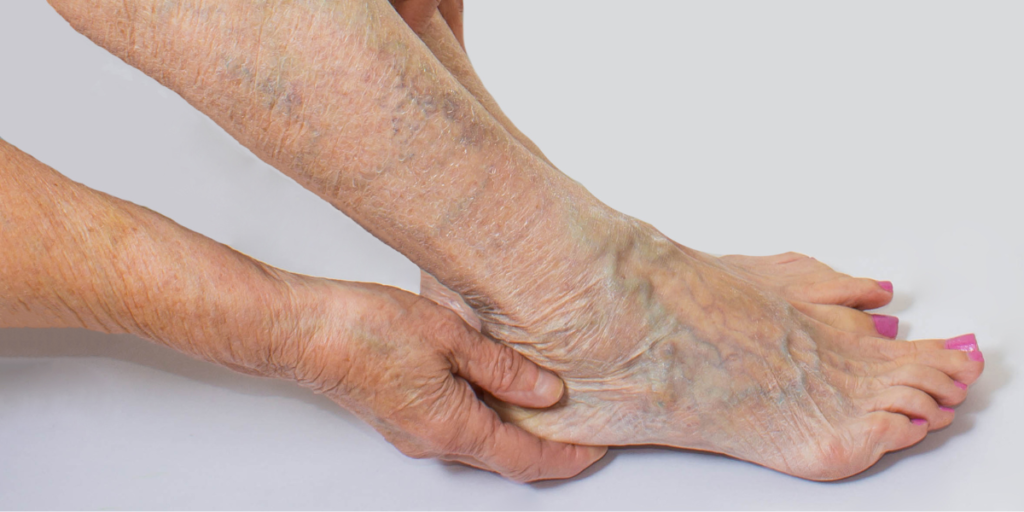
Varicose veins are enlarged, twisted veins that develop when vein valves weaken, and blood begins to pool in the legs. Varicosities can also cause symptoms such as aching, heaviness, swelling, and skin changes that may worsen over time. Here is an overview of the causes and risk factors for varicosities:
Explaining Causes of Varicosities
Varicose veins develop when the small valves inside your veins stop working properly. Under normal circumstances, these valves open to allow blood flow toward your heart and close to prevent backward flow. When valves weaken or become damaged, blood can pool in the vein rather than moving efficiently upward.
This pooling increases pressure within the vein walls, and over time, the vein stretches and becomes visible beneath the skin. The condition is called venous insufficiency, and it is often the underlying cause of most varicose veins. While varicosities are the visible symptom, the valve dysfunction is the root problem that needs to be addressed.
Exploring Major Risk Factors
Several factors increase your likelihood of developing varicose veins, and many of these cannot be changed. Here are some of them:
- Age: Vein valves naturally weaken as you get older.
- Gender: Women develop varicosities more frequently than men due to hormonal changes during pregnancy, menstruation, and menopause.
- Family history: If your parents or siblings have varicose veins, you face a higher risk of developing them yourself.
- Genetics: Some people inherit weaker vein walls or faulty valves, which predispose them to venous insufficiency.
While you cannot alter these factors, being aware of them allows you to take proactive steps in other areas of your health.
Reducing Lifestyle Risks
Although some causes of varicose veins lie beyond your control, lifestyle choices play a key role in vein health. Making adjustments in these areas may reduce your risk or slow the progression of existing varicosities:
- Prolonged standing or sitting: Jobs that require you to stay in one position for long periods reduce circulation and increase vein pressure.
- Excess weight: Carrying extra pounds strains the veins in your legs, making it harder for blood to flow upward.
- Lack of physical activity: Regular movement helps blood circulate efficiently, while a sedentary lifestyle allows blood to pool easily.
- Pregnancy: Hormonal changes and increased blood volume during pregnancy can weaken vein walls and contribute to valve dysfunction.
- Previous leg injuries: Trauma to the leg can damage veins or valves, leading to circulation problems over time.
Changes like taking breaks to walk during the workday, maintaining a healthy weight, and staying active can make a meaningful difference in how your veins function.
Watching For Early Signs
Varicose veins often start with subtle symptoms before the veins become visibly enlarged. You may notice leg heaviness or fatigue, especially at the end of the day; you may also experience aching or throbbing in your lower legs. Swelling in the ankles or feet, restless legs at night, and itching or irritation around certain veins are also common indicators. If you observe any of these symptoms, scheduling an evaluation with a vein specialist is a helpful step. A specialist can use imaging to determine whether venous insufficiency is present and recommend treatment options that improve circulation and reduce discomfort.
Schedule Your Varicose Veins Consultation
Varicose veins develop when vein valves fail to function properly, allowing blood to pool and veins to enlarge. While age, gender, and genetics increase your risk, lifestyle factors like prolonged standing, excess weight, and inactivity also play a role. Recognizing early symptoms and working with a specialist can help you manage the condition effectively. For leg discomfort, swelling, and visible varicoses, contact a qualified vein specialist near you to schedule your consultation today.
No Comments