

26 Dec The Growing Role of Technology in Robotic Spine Surgery
Orthopedic spine surgeons are medical doctors who specialize in diagnosing and treating back conditions, and some use robotic tools. While they explore many treatment paths, they sometimes perform this type of surgery. These surgeons use advanced tools to address spinal issues, and technology continues to evolve within this field. Here is more information about the role of technology in robotic spine surgery:
Utilizing Robotic Arm
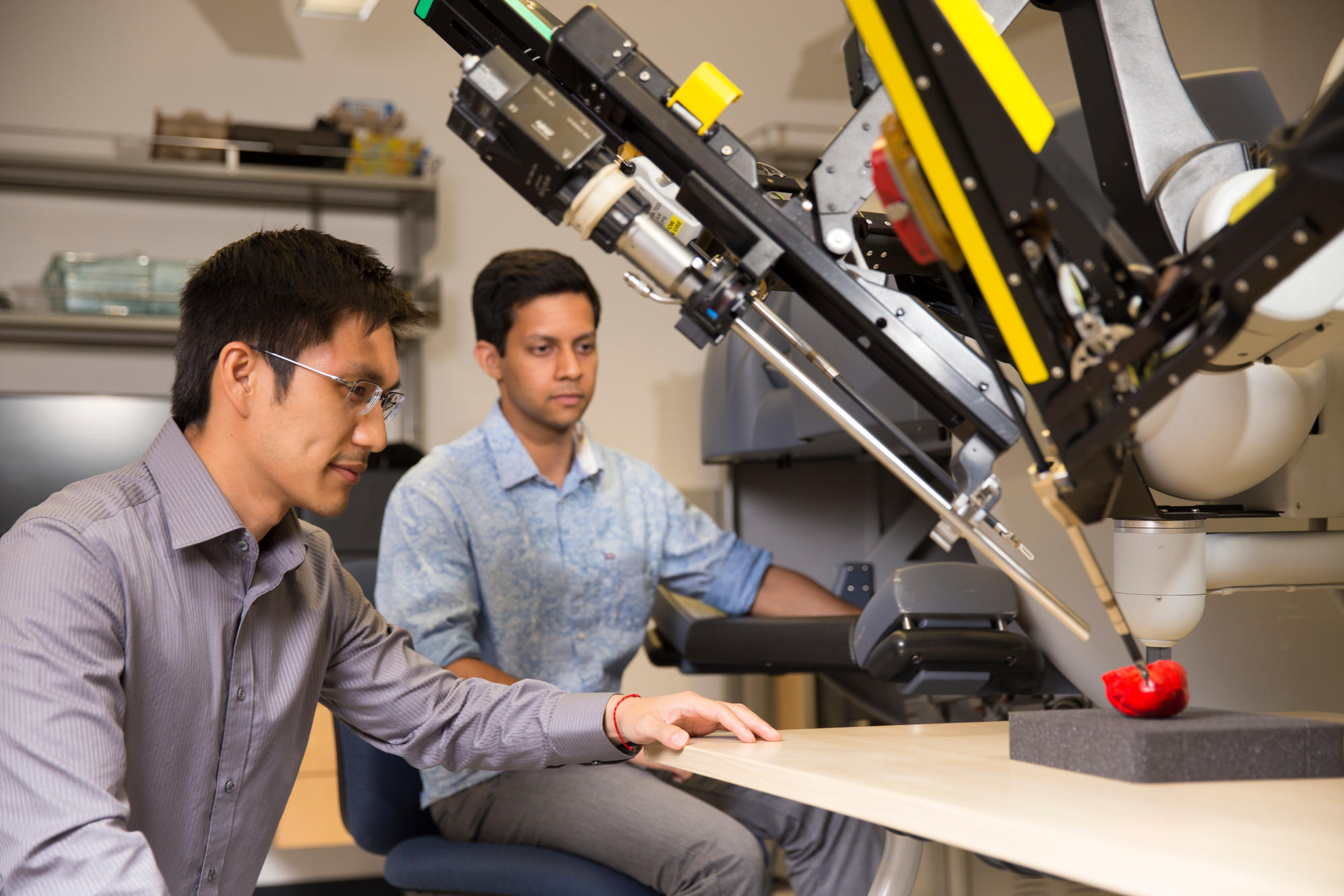
A robotic arm is a key component in this type of surgery. The surgeon typically controls this arm from a console, and it holds and maneuvers surgical instruments. This technology acts as an extension of the surgeon’s hands, allowing for steady and controlled movements throughout the procedure.
The robotic arm’s stability is a notable feature. Before the operation begins, the system uses imaging to create a detailed 3D model of the patient’s spine, which helps in planning the exact placement of instruments. The arm then follows this predetermined path with a high degree of accuracy, and it assists the surgeon in navigating complex spinal structures.
Enhancing Precision
Precision is a primary focus of robotic-assisted spine surgery. The technology gives surgeons an enhanced view of the surgical area. This detailed visualization helps them make very small, specific movements. Since the human spine is a complex structure, this level of detail supports the surgical process.
Robotic platforms use pre-operative scans to map out the patient’s anatomy. The orthopedic spine surgeon creates a surgical plan on this 3D map before the procedure. During the operation, the robotic system helps execute this plan accurately. This process helps surgeons work within very fine margins.
This method also allows for adjustments, and the system provides the surgeon with data throughout the procedure. If needed, the surgeon can modify the plan in real-time. This adaptability is a key aspect of how the technology functions.
Guiding Instruments
The guidance system is integral to robotic spine surgery, and it helps surgeons place instruments with accuracy. The system creates a pathway for the instruments based on the surgical plan. With this guidance, the surgeon can navigate the delicate areas of the spine.
This technology offers a few specific functions:
- Tracks instrument position in real-time.
- Provides visual cues on a screen.
- Alerts the surgeon if instruments move from the planned path.
The system acts as a sophisticated guide, and it translates the pre-operative plan into real-time movements during the surgery. Since the surgeon remains in full control, they use the robot’s guidance to perform the procedure as planned. This structured approach helps in maintaining consistency.
Providing Real-time Feedback
Robotic systems offer continuous feedback during an operation. This information is displayed on a screen for the surgeon to see. The data helps the surgeon understand the position of instruments relative to the patient’s anatomy. This constant flow of information supports the surgeon’s decisions.
The surgeon receives visual and sometimes tactile feedback. The system tracks every movement, and it provides updates throughout the procedure. This allows for immediate adjustments if the situation changes. The technology provides a clear view, even in areas that are hard to see.
Visit an Orthopedic Spine Surgeon
Understanding your treatment options is a good first step. An orthopedic spine surgeon can explain different procedures, including those that involve robotic assistance. You can discuss your specific condition with a specialist, and they will provide information tailored to your individual needs. If you have questions about your spine health, schedule a consultation with an orthopedic spine surgeon to learn more.
No Comments