

09 Dec Emergency Room Protocols for Treating Heart Attacks
When a heart attack occurs, rapid and structured care in the emergency room is fundamental for protecting the heart muscle and saving lives. Emergency teams follow established protocols to assess symptoms and confirm the diagnosis rapidly. They then initiate treatment within minutes of a patient’s arrival. Understanding how these protocols work can help patients and their families prepare during a medical emergency. Here is what typically happens in the emergency room when treating a heart attack:
Identifying Heart Attacks
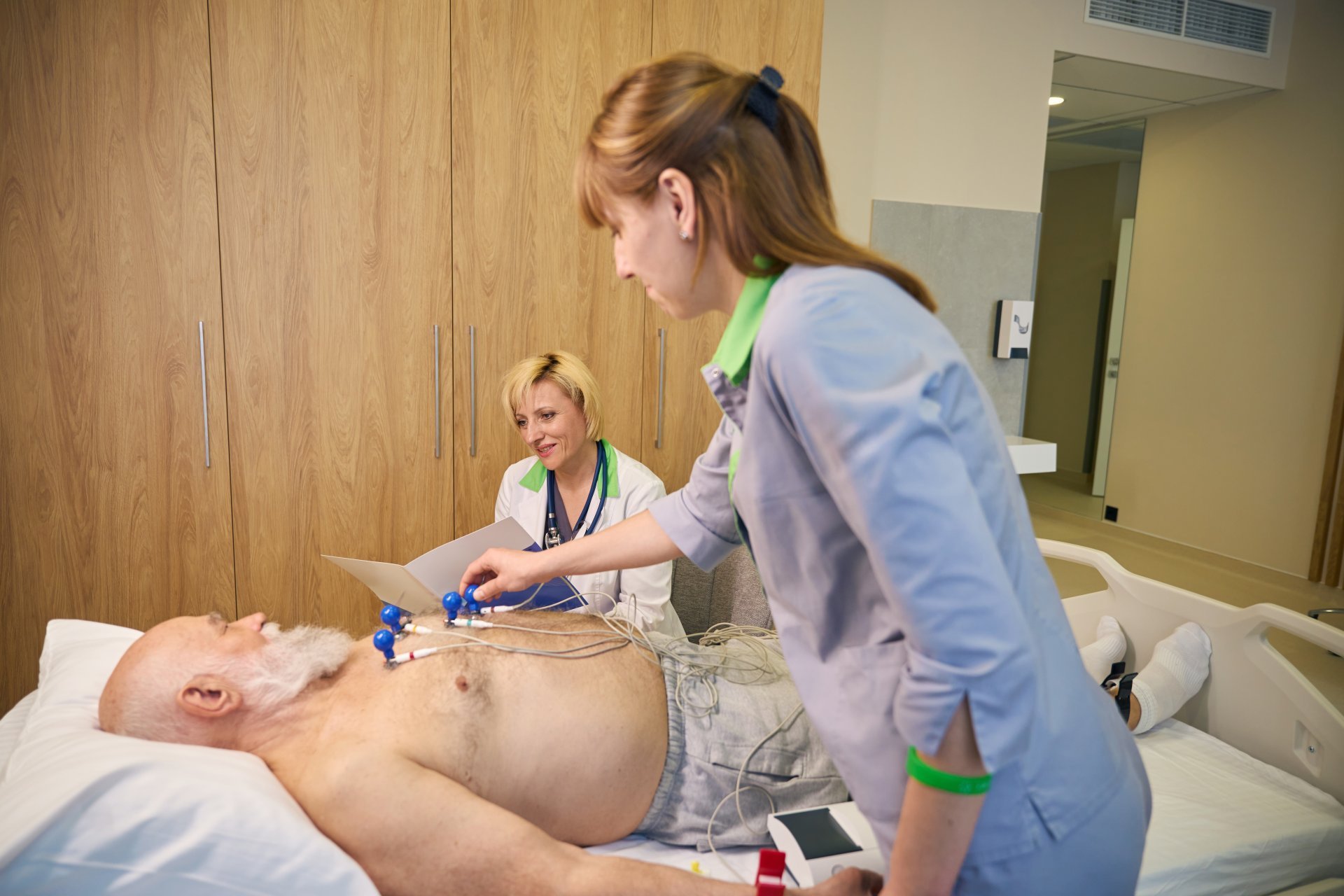
Diagnosing a heart attack quickly is a fundamental first step; medical teams in an emergency room use several methods to confirm a diagnosis. A key diagnostic tool is the electrocardiogram (ECG or EKG), which records the heart’s electrical activity. It can reveal signs of heart muscle damage. Doctors also use blood tests to check for specific cardiac enzymes, which are released into the bloodstream when the heart muscle is injured. The medical team will also review the patient’s medical history and conduct a physical examination while assessing symptoms such as chest pain, shortness of breath, and pain in other parts of the upper body.
Stabilizing Patients Early
Once a heart attack is suspected or confirmed, the medical team’s immediate goal is to stabilize the patient’s condition. These initial interventions aim to relieve symptoms and prevent further complications and are administered promptly. Here are some of the interventions used in the emergency room:
- Oxygen Therapy: Administering oxygen via nasal cannula or mask increases oxygen delivery to the heart muscle.
- Aspirin: Chewing an aspirin helps thin the blood and reduces the severity of the heart attack by breaking up the blood clot.
- Nitroglycerin: This medication is administered to improve blood flow by dilating blood vessels, thereby alleviating chest pain.
- Pain Relief: Morphine may be administered to alleviate severe chest pain and reduce cardiac strain.
These actions are performed swiftly to manage the immediate crisis and prepare the patient for definitive treatments.
Starting Life-Saving Care
After stabilization, the emergency care team initiates treatments to restore blood flow to the heart. The choice of treatment often depends on the type of heart attack and how quickly the patient arrived at the emergency department. The key goal is to open the blocked artery as soon as possible. One common treatment is the administration of thrombolytics, or “clot-busting” drugs, which dissolve the blood clot blocking the artery. For many patients, an invasive procedure called percutaneous coronary intervention (PCI), also known as angioplasty, is the preferred method. In a PCI, a doctor threads a thin tube with a balloon at its tip through a blood vessel to the blocked artery. The balloon is then inflated to dilate the artery, and a small mesh tube is placed to maintain the dilation.
Monitoring and Transitioning
Following initial treatment, patients require continuous monitoring; emergency room staff will closely monitor health signs. This is a fundamental phase of emergency care that makes sure the patient remains stable. The medical team monitors the following:
- Continuous EKG Monitoring: This allows the medical team to monitor for changes in the heart’s rhythm or signs of further cardiac problems.
- Blood Pressure Monitoring: Regularly checking blood pressure helps the team manage medications and assess the heart’s function.
- Follow-up Blood Tests: These tests monitor cardiac enzyme levels to assess the extent of heart muscle damage.
Once the patient’s condition is stable, they are moved from the emergency room to a specialized cardiac care unit (CCU).
Find the Nearest Emergency Room
The emergency department protocols for treating a heart attack are systematic and designed for rapid response. From the moment a patient arrives, the focus is on quick diagnosis, immediate stabilization, and effective treatment to restore blood flow. If you or someone you know experiences heart attack symptoms, call 911 immediately and find the nearest emergency room for prompt care.
No Comments