

18 Feb Common Causes and Possible Solutions for Hair Loss
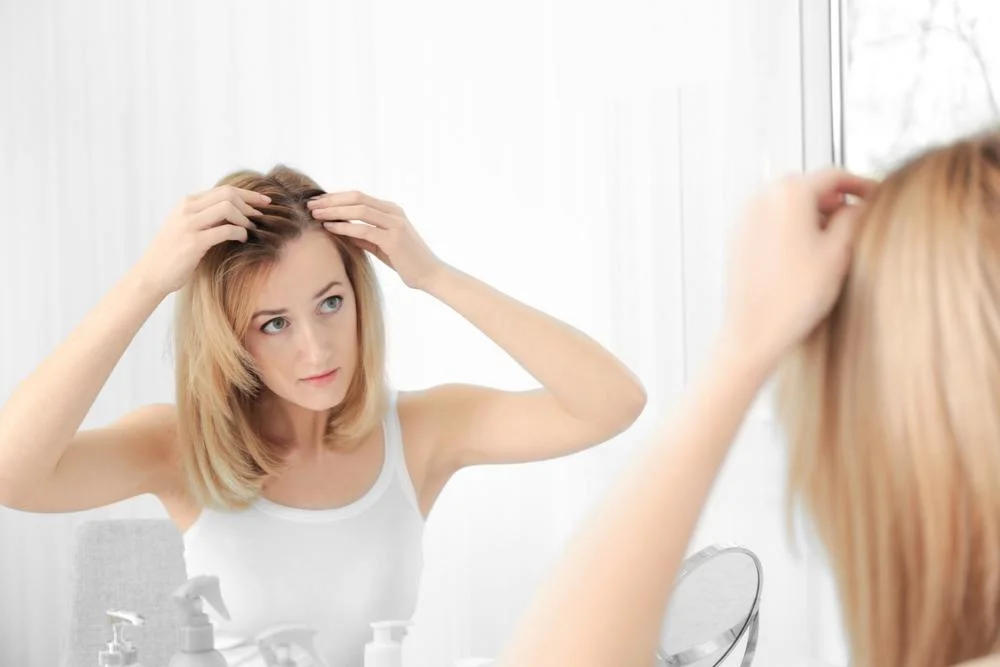
Hair loss can vary from mild thinning to progressively severe baldness. Identifying the most beneficial treatment starts with understanding the issue. With diagnosis and treatment, dermatology aids in addressing hair loss.
Common Causes
Hair loss can occur for a variety of reasons. Here are some of the most common causes:
- Genetics: Androgenetic alopecia, or male and female pattern baldness, is a hereditary condition that often develops with age.
- Medical Conditions: Certain conditions, such as alopecia areata, an autoimmune disorder, causes the immune system to attack hair follicles, leading to hair thinning or loss.
- Professional Evaluation: Consulting a dermatology professional can help identify the exact cause through a detailed assessment of your hair and scalp.
Hormonal Factors
Hormone changes can cause temporary or permanent hair loss. Events like pregnancy, childbirth, and menopause can bring about noticeable hair thinning due to shifting estrogen and progesterone levels. Thyroid problems may also contribute to hair thinning or loss, as both an overactive and an underactive thyroid gland can disrupt the hair growth pattern. These hormonal changes affect follicle function, so managing the underlying hormonal balance is often part of addressing the hair loss.
Lifestyle Triggers
Daily habits and environmental elements play a role in hair health and shedding. High levels of stress can push many hair follicles into a resting phase, resulting in telogen effluvium, in which hair falls out months after the stress. This temporary hair loss is induced by various stressful life events or changes in routine.
Certain hairstyles that pull the hair tightly, such as ponytails or braids, lead to traction alopecia over time. Nutritional deficiencies also contribute to hair issues, as a lack of proteins, vitamins, and minerals weakens the hair’s structure. Sustaining a balanced diet and avoiding excessive tension on the hair are key to supporting healthier growth.
Treatment Options
A variety of treatment options is available for managing hair thinning or loss, and their benefits depend on the underlying cause.
- Topical Treatments: Over-the-counter minoxidil products are applied directly to the scalp to stimulate hair follicles and encourage growth.
- Oral Medications: Prescription medications such as finasteride can slow hair loss and promote regrowth in some individuals.
Other procedures, such as low-level laser therapy and hair transplant surgery, offer alternative approaches for more advanced cases. Discussing these options with a health care provider can identify which approach is most suitable for your specific condition.
Preventive Care Strategies
Adopting certain practices help maintain hair health and possibly reduce the risk of certain types of hair thinning or loss. A wholesome diet rich in iron, zinc, and B vitamins supports strong hair growth. Gentle hair care is also beneficial: avoid harsh chemical treatments, reduce the use of high-heat styling tools, and use a wide-tooth comb to prevent breakage. Coping with stress through activities such as exercise or meditation can also impact your general health and hair health.
Navigate Hair Loss Solutions
Understanding the causes is the first step toward developing a management strategy. From hereditary causes and hormonal shifts to lifestyle influences, the causes of hair thinning vary from person to person. A variety of treatments and preventive steps help support follicle health and promote growth. For a personalized assessment and guidance, find a dermatology specialist to discuss your hair thinning or loss concerns.
No Comments