

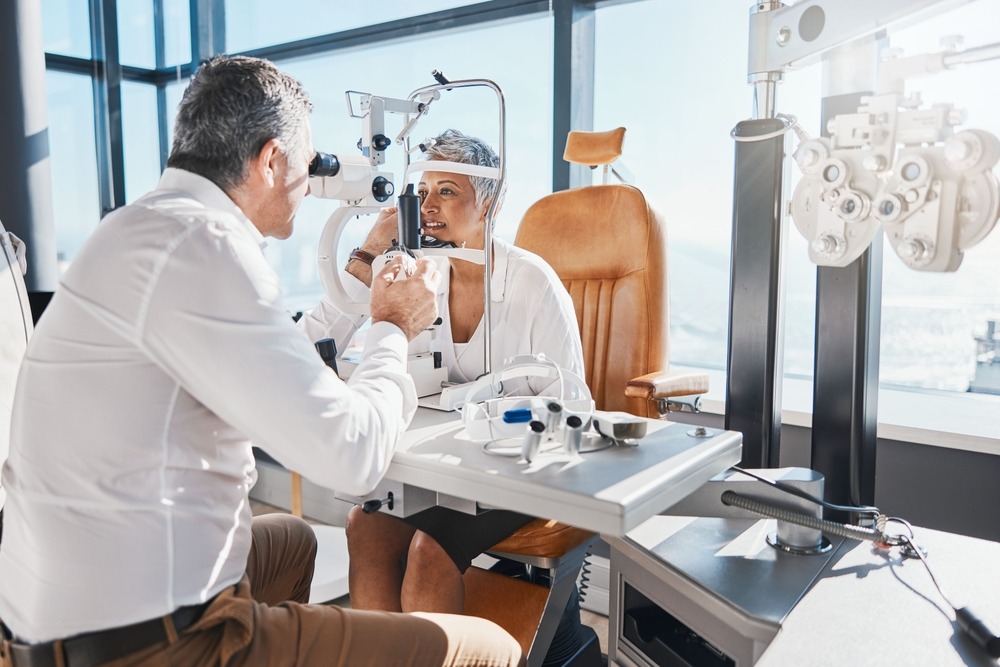
01 Jun What You Should Know About Eye Exams for Seniors
Vision changes with age, making regular eye care an integral part of senior health. Eye exams detect changes in vision, monitor eye conditions, and identify early signs of issues that may affect daily comfort and independence. Here is more information on what you should know about eye exams for seniors:
Tracking Vision Changes
Optometrists establish structured routines to measure natural shifts in visual capabilities over time. Recording specific metrics during annual visits helps professionals document subtle changes in vision. Here are key factors professionals track during eye exams:
- Prescription updates: Providers evaluate current lens measurements and adjust them to match new optical requirements.
- Focus alignment: Professionals test the coordination of both eyes to verify they work together effectively.
- Light sensitivity: Technicians measure how the eyes adapt to varying brightness levels, which often changes with advancing age.
Monitoring these functional changes provides practitioners with fundamental data to determine the appropriate optical aids for each individual. Adjusting lenses promptly can prevent unnecessary ocular strain, and it keeps daily activities like reading manageable.
Screening for Eye Conditions
Detailed screenings function as a key component of comprehensive eye exams for older adults. During these sessions, technicians deploy advanced imaging devices to capture high-resolution and cross-sectional views of the retina. This proactive approach identifies structural anomalies early, which is beneficial for long-term clinical management. Testing intraocular pressure reveals fundamental details about fluid drainage, and this data helps specialists monitor eye health effectively.
Specialists rely on these diagnostic tools to observe microscopic changes that remain invisible during standard external observations. Dilating the pupils allows the practitioner to examine the optic nerve thoroughly; this step provides clear visibility into the back of the eye. Specialized imaging creates a permanent topographical map of the eye. If technicians scan the eye annually, they capture exact structural dimensions, and the provider uses this imagery for direct comparison.
Reviewing Health History
Practitioners thoroughly review systemic health records before beginning the eye exams. Systemic conditions often present initially in the retinal vasculature, and specialists closely monitor these microvascular structures. Individuals must bring a complete list of current medications to their appointments, as certain drugs affect tear production or pupil dilation. When patients provide accurate medical histories, the professional can align physical health trends with specific optical findings, resulting in a precise assessment.
Planning Support for Vision
Structuring a long-term management strategy requires clear and objective communication between the patient and the provider. After gathering all clinical data, the specialist develops a specific timeline for subsequent visits, and they schedule necessary diagnostic tests. Here are some of the key recommendations providers may provide:
- Lighting adjustments: Specialists recommend specific illumination setups that reduce glare and improve reading comfort.
- Protective eyewear: Providers suggest specialized lenses that shield the eyes from harsh ultraviolet radiation outdoors.
- Nutritional support: Technicians often discuss dietary habits that provide fundamental vitamins to maintain macular tissue.
Establishing a support system creates a clear and logical roadmap for maintaining visual health over time. Consistent check-ins reinforce the management strategy, and they provide opportunities for minor adjustments.
Schedule Your Eye Exams Today
Routine eye exams provide fundamental data on ocular changes and overall physical health in aging individuals. Participating in regular clinical screenings and reviewing medical histories can help older adults receive the guidance they need to maintain their visual function. Frequent visits enable the provider to track subtle shifts in visual acuity, and they also maintain up-to-date clinical records. Contact a qualified optometrist near you to schedule your eye exams today.
Sorry, the comment form is closed at this time.