

31 May Factors That Influence How Long Dental Crowns Last
Dental restorations repair damaged teeth and help maintain proper oral function. One frequently utilized option is the dental cap, which covers a weakened tooth entirely. Patients may inquire about the expected duration of these restorations before proceeding with their treatment plan. Dental crowns typically last between five and 15 years, but some can last longer with optimal conditions. Multiple variables dictate this timeline.
What Are Dental Crowns?
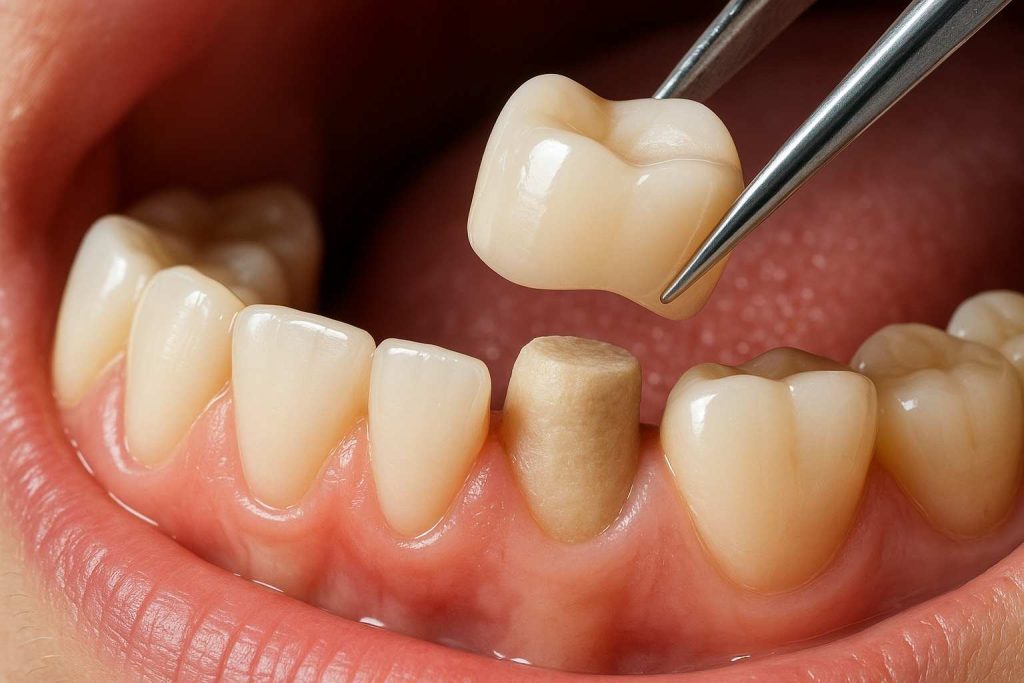
Dental crowns function as protective covers shaped precisely like natural teeth. Dentists place them over decayed, broken, or severely worn-down teeth, restoring their original shape, size, and strength. They also serve to cover dental implants or protect teeth that have undergone root canal therapy.
Dental technicians manufacture these caps from several distinct materials, each offering different levels of durability and aesthetic appeal. Metal options provide significant strength and withstand heavy biting forces. Porcelain variations offer a balance of strength and a natural appearance, matching the shade of surrounding teeth. Ceramic caps most closely mimic the translucency of natural tooth enamel, making them ideal for highly visible front teeth. The specific material selected directly impacts the overall lifespan of the restoration.
What Does the Procedure Involve?
The standard placement process generally requires two separate office visits. During the initial appointment, the dentist reshapes the affected tooth by carefully removing some of the outer enamel layer. This preparatory step creates sufficient space for the new cover to fit correctly and avoid crowding adjacent teeth.
The practitioner then takes impressions, both of the prepared tooth and the surrounding oral structures. A specialized dental laboratory uses these precise impressions to fabricate the permanent restoration. This fabrication phase takes a few weeks, so the dentist may place a temporary acrylic cover to protect the sensitive tooth in the interim.
Once the permanent cap is ready, the patient returns for the second appointment. The dentist removes the temporary piece and thoroughly cleans the tooth. They evaluate the permanent restoration for an accurate fit, proper contour, and color matching. If everything aligns correctly, the dentist bonds the final piece to the natural tooth using a strong dental cement.
How Do You Care For Them?
Proper daily maintenance extends the duration of your dental restoration. Good oral hygiene habits remain the primary defense against early failure. You must brush your teeth at least twice a day, using a toothbrush and toothpaste. Floss daily to remove trapped plaque from between the teeth and around the base of the cap. Rinsing with an antibacterial mouthwash can help reduce harmful bacteria in the mouth and keep the surrounding gum tissue healthy.
Dietary choices also affect the structural integrity of the restoration. You should avoid chewing on hard items like ice cubes, unpopped popcorn kernels, and hard nuts; these objects exert pressure that can chip or fracture the ceramic layers. Very sticky items, such as caramels or chewy candies, may dislodge the restoration from the underlying tooth.
Consult a Dental Professional
Dental caps provide a highly reliable method for restoring compromised teeth and improving chewing function. Routine dental check-ups and professional cleanings allow practitioners to monitor the condition of the cap and address any early signs of wear before they escalate. If you experience localized pain, notice a loose fit, or detect cracks and sharp edges on an existing restoration, schedule an evaluation promptly. A qualified dental professional can properly assess the situation, repair minor damage, or recommend a replacement to maintain your optimal oral health.
Sorry, the comment form is closed at this time.