

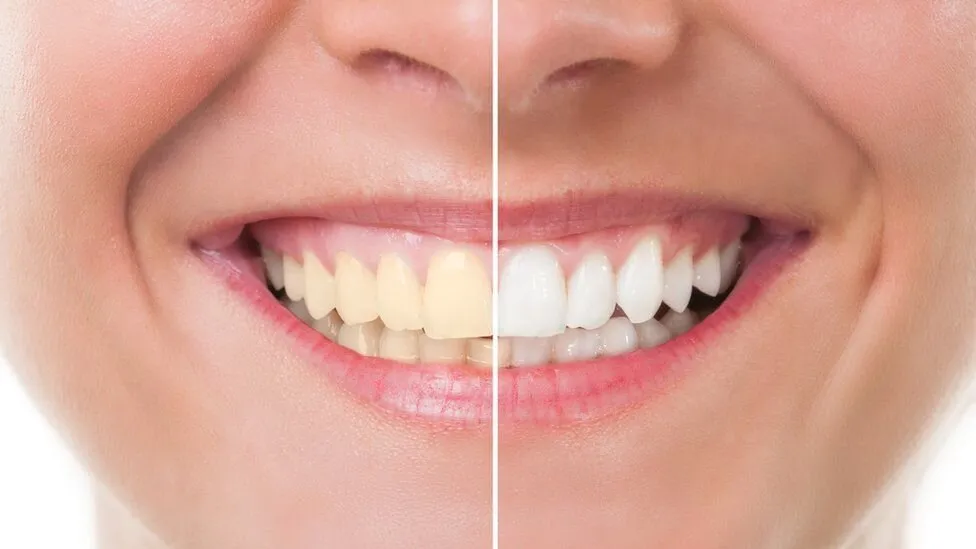
29 May The Science Behind Effective Teeth Whitening Solutions
Cosmetic dentistry offers solutions to improve your smile. Teeth whitening is a popular option, but many patients do not understand the underlying science. Because dental treatments require careful planning, your dentist will examine you.
Stain Types and Causes
Dental discoloration falls into two specific categories. Extrinsic stains affect the enamel surface, and intrinsic stains develop deep inside the tooth structure. While surface stains respond well to treatment, internal stains are stubborn and need professional attention. Everyday foods cause surface-level discoloration over time. Coffee and tea leave dark pigments, but regular brushing removes some marks.
These stains build slowly, so you may not notice color changes at first. Some medicines, aging, and past dental trauma may also affect dentin color. Dental materials act differently from natural enamel. Crowns, fillings, veneers, and bonding may look darker after teeth whitening. Your dentist can note these materials before treatment to help you plan realistic shade goals.
Oxidation Chemistry Basics
Teeth whitening relies on peroxide-based oxidation. Before whitening begins, your provider covers your gums and tongue with a protective rubber dam. The provider then applies Zoom whitening solution to each tooth, so you get an even color. The process includes:
- Peroxide enters tiny enamel channels and reaches trapped pigments.
- Oxygen molecules break stain compounds into smaller, less visible particles.
- Chromophores absorb light and can make teeth appear yellow, brown, or gray.
- The Zoom light activates the gel and helps the oxidation process happen faster.
The gel works on stains within enamel and dentin, but it does not bleach crowns or fillings. As the treatment progresses, the dentist repeats these steps, and you wait for the desired shade. Repeated applications help the provider control the shade change. You can continue treatment as long as there are no complications. Your provider also watches the gel placement closely, since even coverage supports a more even result.
Sensitivity and Aftercare Basics
Since patients can experience temporary tooth sensitivity, this side effect diminishes quickly after treatment. You may have a short response to cold air, cold drinks, or sweet foods. Your saliva remineralizes the teeth naturally. Drinking water supports saliva flow, and it helps rinse stain-causing liquids from your teeth. Preventive dentistry supports ongoing oral health, and proper hygiene habits protect your brightened smile. After the procedure, your dentist provides maintenance tips. You can follow them easily at home. Avoiding dark beverages extends your whitening results. If you drink coffee, tea, or red wine, using a straw can reduce direct contact. Rinsing with water after meals can also limit new stains. Brushing twice daily helps prevent new stains, and regular dental cleanings maintain the professional finish. Some patients use special desensitizing toothpastes.
Book Teeth Whitening Today
You understand the basic science, so you can make an informed dental care decision. Since clinical methods utilize advanced chemistry, you avoid ineffective over-the-counter products. Your smile deserves expert care and attention. A professional assessment guarantees the best approach and an expert. If you want a brighter smile, you should contact a dental professional, and they will schedule your visit.
Sorry, the comment form is closed at this time.