

28 May Screening Guidelines for Colon Cancer Everyone Should Know
Colon cancer screening typically begins at age 45 for individuals at average risk. Medical professionals rely on these screenings to detect early signs of the disease, and these evaluations may improve long-term patient outcomes. Early-stage colon cancer may present no symptoms, so regular medical evaluations play a valuable role in preventive healthcare. Here is more information on screening guidelines everyone should know:
What Is Colon Cancer?
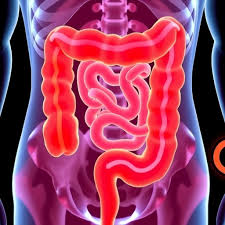
Colon cancer develops within the tissues of the large intestine. It typically begins as small clumps of cells called polyps, which form on the inner lining of the colon. Some of these polyps mutate into cancerous tumors if they are left untreated. Medical professionals categorize the condition by its point of origin, but all variations require clinical monitoring.
What Are Colon Cancer Screenings?
Screenings are medical tests that look for abnormalities in asymptomatic patients. Doctors use various diagnostic tools to examine the colon, and these methods range from non-invasive stool tests to direct visual inspections. If a test detects an anomaly, the physician will recommend a follow-up procedure to further evaluate the tissue.
A colonoscopy is a common, comprehensive screening method. During this procedure, a doctor inserts a flexible tube equipped with a camera, and this device views the entire colon. Patients can also use alternative options, such as stool tests, when they prefer a less invasive approach.
What Are the Guidelines?
Adults of average risk should begin screenings at age 45. Individuals should continue regular screenings through age 75 if they remain in good overall physical health. Different diagnostic tests require distinct screening intervals to maximize efficacy. A standard colonoscopy typically takes place once every 10 years, while doctors may require annual stool-based laboratory tests.
Who Should Get Screened?
All adults over the age of 45 should undergo regular preventive evaluations. People with a personal history of inflammatory bowel disease face a higher risk, so they may need to start screenings at an earlier age. A family history of colorectal polyps also necessitates premature testing because genetics influence disease development.
Doctors classify certain patients as high-risk individuals requiring specialized care, and these patients include those with hereditary syndromes. These patients require highly monitored medical protocols. Conditions like familial adenomatous polyposis accelerate polyp growth, so medical professionals may recommend customized screening schedules for this specific demographic.
What Are the Benefits?
Regular clinical evaluations offer significant benefits in managing and preventing colon disease, including:
- Reduced Mortality Rate: Removing precancerous polyps during evaluations can prevent cancer from developing, potentially leading to higher survival rates.
- Less Invasive Treatment: Preventive measures like polyp removal can help patients avoid the physical burden and intense medical interventions associated with advanced-stage cancer therapies.
- Long-Term Health Management: Adhering to routine screening schedules allows patients to maintain greater control over their long-term digestive health.
These benefits highlight the value of preventive care and early detection in effectively managing colon health.
Schedule a Screening Today
Routine preventive care serves as an effective strategy for combating colon disease. Patients should consult their healthcare providers immediately, as this conversation will establish the most appropriate diagnostic approach. Early intervention saves lives, so individuals benefit from taking proactive steps to manage their physical health.
Medical facilities offer various testing options to accommodate different patient preferences, so contact your local clinic to review the available methods. By committing to regular medical screenings, you safeguard your future against unexpected health complications. Learn more about this cancer and how to prevent it today.
Sorry, the comment form is closed at this time.