

28 May When Do You Need a Root Canal?
Tooth pain can disrupt your daily routine, and a severe toothache sometimes indicates an underlying infection. Dentists perform root canals to preserve as much of the natural tooth as possible. Root canal treatment is a common procedure, and it does require some aftercare following the treatment. Here is more information about root canals and how they resolve tooth infections:
Understanding Root Canals
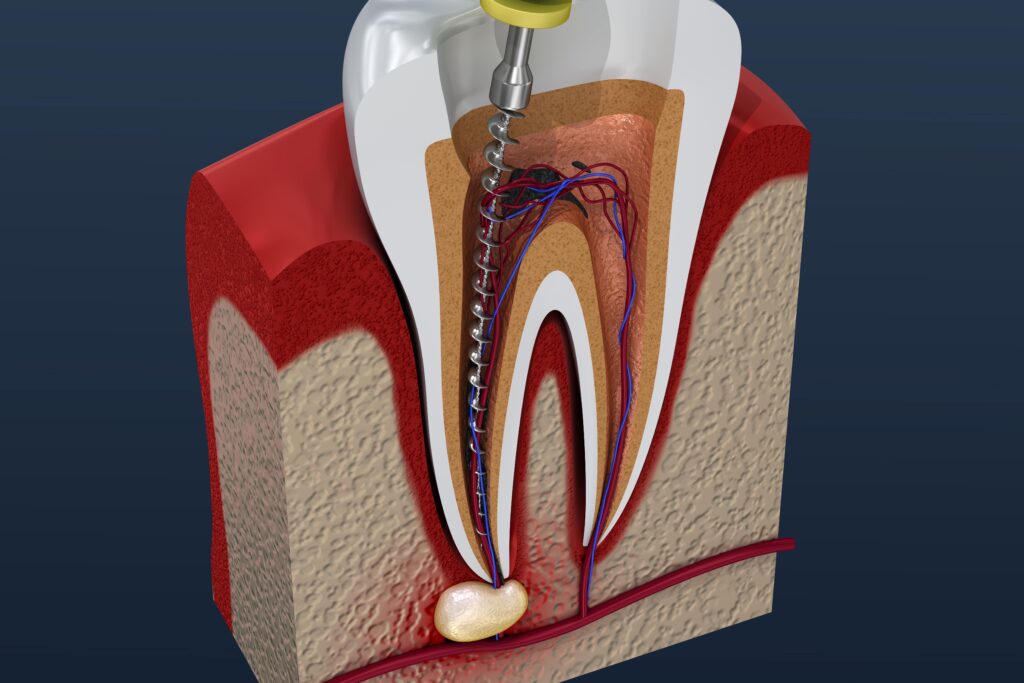
A root canal treatment removes infected pulp from inside your tooth. Patients experience intense pain when bacteria enter the inner chamber of a tooth, and this infection requires professional intervention. Common symptoms include:
- Prolonged sensitivity to hot or cold temperatures
- Severe pain during chewing
- Noticeable swelling around the gums
Because the symptoms mimic other dental issues, a provider can determine the actual cause of your discomfort.
Performing Root Canal Treatment
Before the procedure, the dentist administers local anesthesia to numb the affected area. Once the tooth is completely numb, the provider places a small rubber dam to keep the site clean, and they drill a tiny access hole into the crown of the tooth. The dentist carefully cleans out the diseased pulp from the center; they then shape the inner canals, wash the space, and fill the area with a biocompatible material called gutta-percha.
Since the tooth needs a seal, a temporary filling closes the opening. The provider finishes the initial work, and the patient goes home to heal. Later on, the dentist places a crown over the tooth to protect and reinforce it.
Recovering From the Procedure
After the procedure, patients generally experience significant pain relief. The treated tooth tends to feel sensitive for a few days, and over-the-counter pain relievers may alleviate minor discomfort. Proper at-home care promotes proper healing. When you return home, you should practice these daily habits:
- Brush your teeth after meals.
- Floss once a day.
- Eat soft foods.
- Take all prescribed medications as directed.
- Use an anti-bacterial mouthwash to keep your mouth clean.
Your dentist will place a permanent crown over the tooth at a later appointment. Because the temporary filling is fragile, this final step protects the tooth. The permanent crown shields the structure, and it can restore function to your bite.
Understanding Potential Complications
Leaving an infected tooth untreated can lead to severe pain and health complications. The infection can spread to surrounding bone tissue. An abscess may form at the base of the root, and this pocket of pus causes extreme pain. If the bacteria enter your bloodstream, systemic health problems can arise. Prompt treatment saves the natural tooth, and it protects your overall health.
Get Root Canal Treatment Today
A root canal relieves severe pain and eliminates dangerous dental infections; providers remove the damaged pulp, clean the tooth, and seal the space to prevent further issues. Some dental offices offer emergency root canals if your symptoms are very severe and you need care right away. Symptoms like intense toothache and cracked teeth may warrant an emergency visit to the dentist. To learn more about root canal treatment, consult a dental provider near you.
Sorry, the comment form is closed at this time.