

26 May Effective Strategies for Relieving Nasal Congestion
Nasal congestion affects many people annually, disrupting daily routines and restful sleep patterns. The inability to draw air through the nose can lead to secondary issues like dry mouth and facial pressure. An obstructed airway often indicates an underlying structural issue or is caused by a reaction to environmental stimuli. Medical professionals approach this symptom by examining the entire upper respiratory system to determine the root source of the blockage.
What Is Nasal Congestion?
Nasal congestion refers to the sensation of reduced airflow through the nasal passages. Patients might notice a partial restriction in their ability to inhale air, and others face a total blockage that forces them to breathe entirely through the mouth. A specialist can utilize an in-office procedure known as a sinus endoscopy to diagnose the case. This technique involves inserting a specialized instrument to visually inspect the internal structures of the upper respiratory tract, allowing the physician to observe the exact location and severity of the obstruction.
What Triggers It?
Airflow restriction may begin when the mucous membranes within the respiratory tract expand, and swollen tissues physically narrow the available space for air to pass. The turbinates, which consist of bony structures responsible for warming and filtering inhaled air, can also enlarge. Medical professionals refer to this specific inflammation as rhinitis, a condition frequently triggered by seasonal allergies or common upper respiratory viruses.
Compromised Sinuses
Behind the forehead, cheeks, and nose lie interconnected hollow cavities known as sinuses. Viral infections or allergic reactions can trigger inflammation within the lining of these spaces. Benign growths may emerge along the lining of the respiratory tract; physicians call these formations nasal polyps. They consist of non-cancerous tissue that gradually increases in size. As they grow, these polyps occupy valuable space within the airway, leading to persistent breathing difficulties.
Deviated Septum
A wall of cartilage and bone called the septum divides the right and left nostrils. In a symmetrical anatomy, this structure sits perfectly in the center. A deviated septum occurs when this dividing wall shifts to one side and structurally narrows one side of the airway. Facial trauma, such as a physical impact from a fall or accident, can alter this alignment and cause immediate obstruction.
How Do You Relieve It?
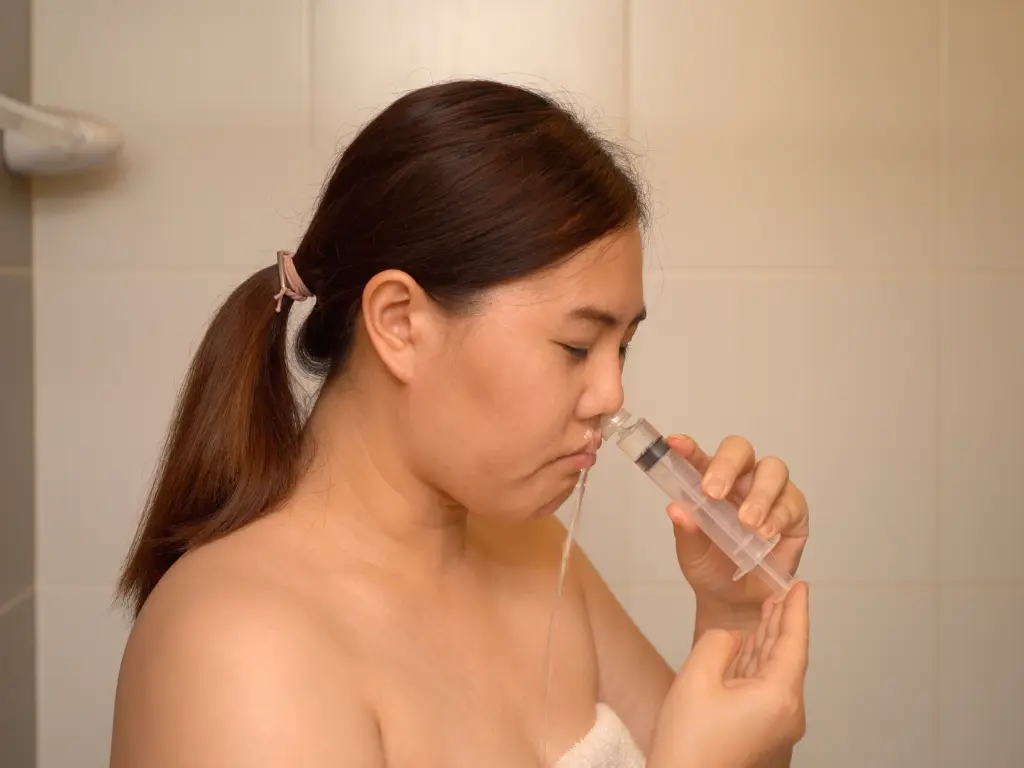
Relieving nasal congestion requires a precise approach tailored to the specific anatomical or biological cause. Medical providers offer diverse therapies ranging from conservative medical applications to advanced structural corrections. For bacterial infections, physicians typically prescribe targeted antibiotics to eliminate the underlying pathogen. Over-the-counter or prescription decongestant medications and steroid sprays help reduce membrane swelling and decrease fluid production.
When conservative measures do not yield adequate relief, specialists may recommend minor in-office procedures. Techniques utilizing radiofrequency or cryotherapy target specific nerves and reduce chronic swelling without invasive surgery. For structural abnormalities, surgical intervention offers a direct solution. A septoplasty corrects the alignment of a deviated septum. Surgeons also perform polypectomies to extract obstructing growths or utilize turbinate reduction procedures to permanently decrease the size of enlarged bony structures inside the nose. Balloon sinuplasty serves as another option to expand blocked sinus pathways.
Seek Professional ENT Care
Addressing chronic breathing difficulties begins with an accurate assessment of your specific anatomy, and Ear, Nose, and Throat specialists possess the precise training required to evaluate complex respiratory symptoms. By securing a definitive diagnosis, you gain access to customized therapies that target the exact origin of your discomfort. Scheduling a consultation with an ENT physician marks the primary step toward achieving lasting relief from obstructed breathing.
Sorry, the comment form is closed at this time.