

26 May What You Should Know About Knee Pain and Its Effect on Mobility
Knee pain are able to interfere with daily mobility and limit routine physical activities. This discomfort may develop gradually over time or appear suddenly after injury or strain. Because the knee supports body weight during movement, pain often affects walking, standing, and joint stability. Early medical evaluation helps identify the underlying cause and guide appropriate treatment options. Here are a few things to know about knee pain and its effect on mobility:
Pain Causes
Knee pain develops from several underlying conditions, and the source of discomfort often determines how symptoms progress. Injuries may occur suddenly during physical activity, while chronic conditions like osteoarthritis gradually wear down the cartilage that cushions the joint. As this protective tissue deteriorates, movement sometimes becomes more difficult, and stiffness may increase over time.
Meniscus tears also contribute to pain because the meniscus acts as a shock absorber between the bones of the joint. Repetitive strain, overuse, and ligament stress are able to inflame surrounding tissues and place additional pressure on the knee. Inflammatory conditions may further increase swelling and stiffness, making everyday activities such as walking, bending, or climbing stairs more uncomfortable.
Knee Pain Symptoms
Knee pain symptoms vary depending on the underlying condition, but many patients experience stiffness, discomfort, and reduced mobility in the joint. Pain may become more noticeable during activities such as bending, walking, or standing for extended periods. In some cases, the knee also appears swollen or red, which is able to indicate irritation or inflammation within the joint.
Patients with ongoing knee problems often report weakness or instability that makes movement more difficult. Certain conditions can also produce popping or grinding sensations during motion, especially when climbing stairs or changing direction. These symptoms are able to develop gradually over time, or they appear suddenly after an injury or period of overuse.
Several warning signs suggest that the knee requires medical evaluation. Swelling around the joint, difficulty climbing stairs, and pain that radiates through the leg can indicate structural damage or inflammation. Some patients feel discomfort concentrated near the kneecap, while others notice pain throughout the surrounding areas. Identifying these symptoms early allows doctors to determine the cause of the problem and recommend appropriate treatment options.
Knee Treatments
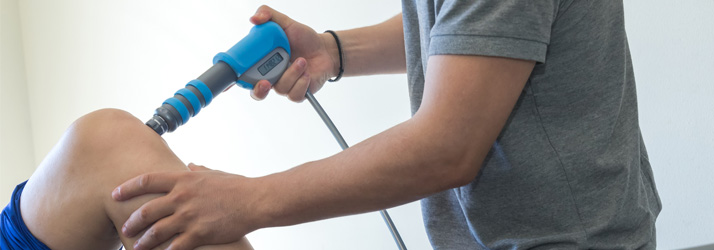
Knee treatment depends on the severity of the condition and the underlying cause, but doctors often begin with conservative approaches designed to reduce discomfort and improve mobility. Rest helps limit strain on the joint, while physical therapy strengthens the surrounding muscles to provide better support and stability. Weight management may also reduce pressure on the knee during daily movement, and anti-inflammatory medications are able to help control swelling and irritation. When symptoms persist or chronic conditions continue to limit function, physicians sometimes recommend more advanced treatment options to address long-term joint pain and inflammation.
Schedule Your Care Today
Physicians evaluate knee pain by identifying the underlying cause of the condition and developing treatments that support long-term mobility and joint function. Since untreated injuries and chronic inflammation may worsen over time, early medical evaluations help patients receive accurate diagnoses. Professional care helps restore movement, support recovery, and limit further joint damage. Schedule a consultation today to learn more about available knee pain treatment options.
Sorry, the comment form is closed at this time.