

26 May Internal Medicine’s Approach to Geriatric Patient Care
Internal medicine focuses on diagnosing and treating a wide range of adult health conditions, and doctors manage everything from chronic diseases to complex, overlapping health issues. Geriatric patients typically present with multiple conditions at once, and internal medicine physicians are trained to address that complexity. Here is more information on an internist’s approach to geriatric patient care:
Maximizing Independence
Maintaining independence is a top priority for most older adults. Internists assess daily functioning and identify barriers that interfere with self-sufficiency. Since many older patients face physical and cognitive changes, physicians tailor care plans to preserve autonomy as long as possible.
Internal medicine providers use standardized tools to evaluate a patient’s ability to perform daily tasks. These assessments identify gaps in function, and they guide targeted interventions. Activities that are commonly evaluated include:
- Hygiene, bathing, and dressing
- Meal preparation and medication management
- Mobility around the home
When deficits are identified, the care team coordinates with occupational therapists and social workers. This collaboration helps patients stay in their homes safely. Physicians also adjust medications that may impair balance or mental clarity.
Improving Mobility
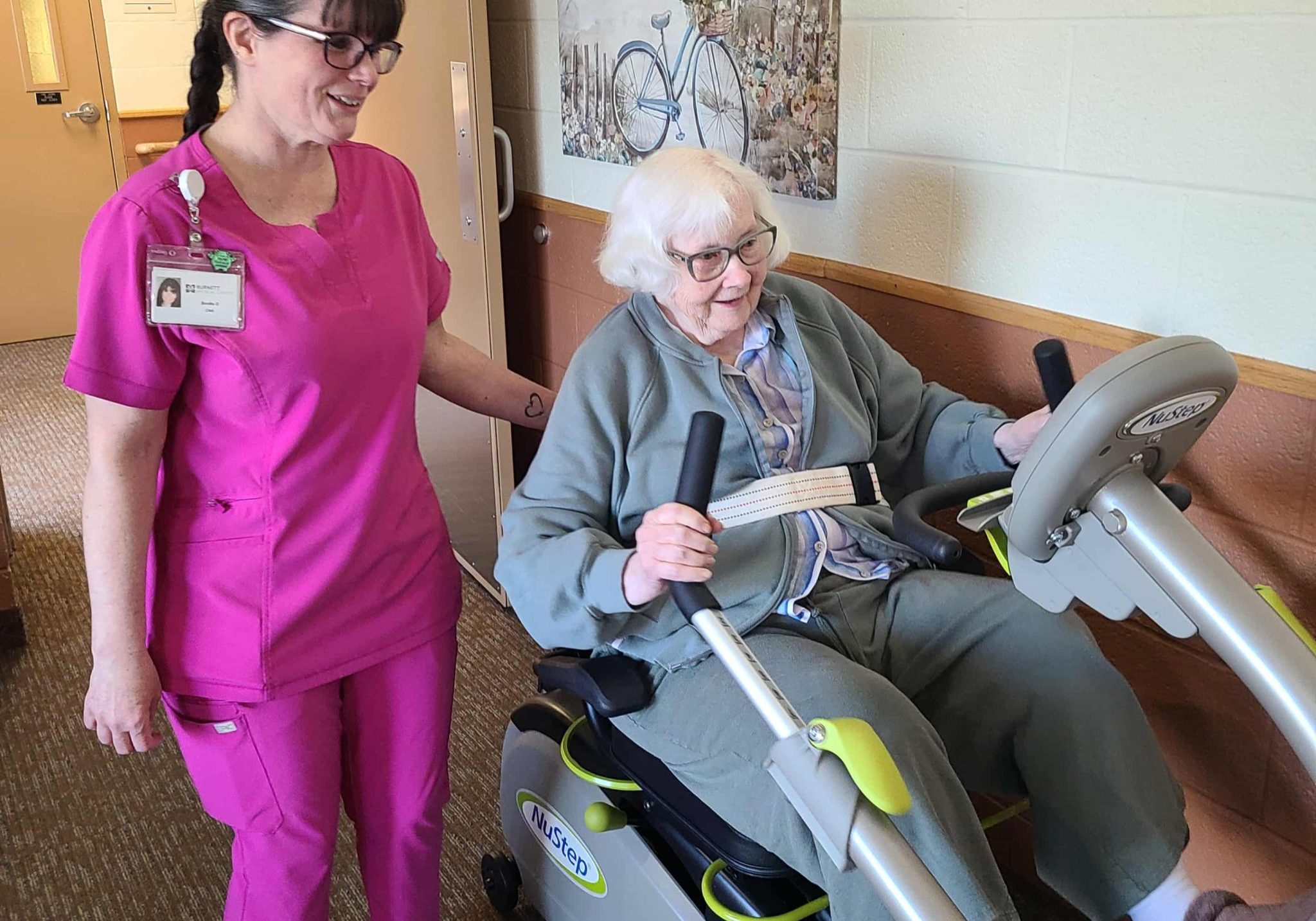
Mobility decline is one of the most significant issues in geriatric care. Internists assess gait, strength, and fall risk during routine visits. Patients who show early signs of decline are referred to physical therapy before problems worsen. Internists identify contributing factors, such as low blood pressure, vision problems, or weak leg muscles, and address each one directly. A coordinated plan reduces fall risk without limiting the patient’s activity.
Managing Multiple Conditions
Older adults frequently live with several chronic conditions at the same time. Internists develop care plans that address all active diagnoses without creating conflicting treatments. The use of many medications is one significant challenge they manage.
A patient with heart disease, type 2 diabetes, and arthritis requires coordinated treatment. Each condition affects the others, and medications for one disease may worsen another. Internists review drug interactions regularly to reduce risk.
Care plans are also revisited as conditions progress. What works at age 70 may not work at age 80, so adjustments are made based on current health status. This ongoing review keeps treatment aligned with the patient’s changing needs.
Preserving Quality of Life
Quality of life means different things to different patients. Internists take time to understand each patient’s goals, preferences, and limits. Because older adults often face difficult trade-offs in treatment, open communication between physician and patient is central to care.
Pain management is one area where internists focus careful attention. Chronic pain affects sleep, mood, and physical function, and it must be treated with precision. Physicians weigh the risks of pain medications against the patient’s overall health profile.
Visit an Internal Medicine Clinic
Internal medicine provides a structured, evidence-based framework for geriatric patient care. Each area of geriatric care connects to the others, so treating them together produces more consistent outcomes. If you or a family member is managing complex health conditions in later life, schedule an appointment with an internal medicine physician. A one-on-one evaluation is the first step toward a care plan built around your specific needs.
Sorry, the comment form is closed at this time.