

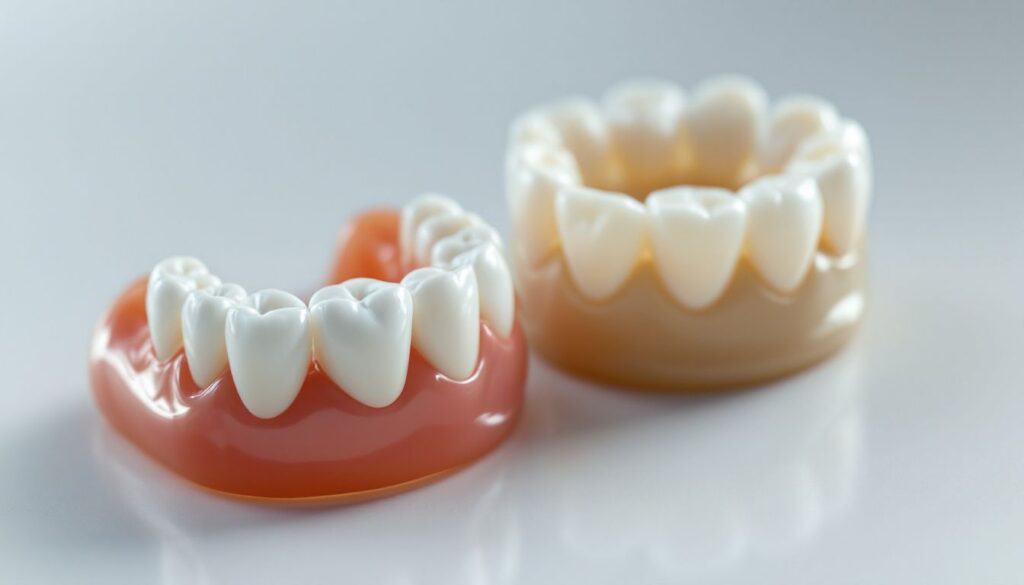
25 May Comparing Different Dental Restoration Options for Damaged Teeth
Damaged teeth require restoration to keep the tooth structure, jawbone integrity, and gum health intact. Restoration options can include different recovery times, and each produces differences in appearance and maintenance. Dental implants are often a good option for tooth replacement, while veneers and bonding often function well for smaller restorations. Comparing options with the help of a dentist can produce a treatment plan that is right for each situation.
Veneers
Veneers cover the front surface of a tooth, and they address chips, discoloration, and gaps in teeth with stable roots. Because a veneer depends on the tooth beneath it, the dentist checks the status of the teeth before planning restoration. The process usually involves shade selection, removing a small amount of the tooth, laboratory production of the veneer, and final cementation. This is different from a dental implant because the natural tooth is the supporting structure of the prosthetic.
Although veneers can change tooth shape and surface color, they do not replace lost roots or reinforce fractured teeth. This treatment option for damaged teeth needs stable enamel and healthy gums to not overload the prosthesis. Porcelain resists surface staining better than composite material, but repair may require replacement if the shell becomes fractured. For minor issues, these are often a great option for patients with generally healthy teeth.
Bonding
A tooth-colored resin layer is bonded to the tooth, and the material is shaped and cured to fill gaps and chips. When damage to a tooth is small and shallow, bonding can often repair small issues to protect the inner tissue of the tooth. This material is often not as strong as other methods, so it usually works best for small defects. Recovery time after this treatment is often short.
Dental Implants
When a tooth no longer has a stable crown or root, a dental implant may be the right option for tooth replacement. The implant anchors in the jawbone, and an abutment connects that anchor to a crown to replace the tooth. A titanium post is placed into the prepared bone site according to the surgical plan.
Implants require strong bone and healthy soft tissue for anchoring, and they also require medical screening for general health factors. Treatment usually begins with imaging and is followed by a discussion of tooth replacement options, especially if the damage to the tooth is severe. If bone volume does not match the planned implant size, the clinician may discuss grafting, sinus lift procedures, or other site preparation before the implant appointment.
Implants replace the missing tooth structure both below and above the gumline. A crown on an implant does not decay, and it requires maintenance similar to what natural teeth require. Because implant treatment involves surgery and healing time, the timeline may include extraction, implant placement, recovery and healing, and final crown attachment.
Learn About Dental Implant Surgery
Before choosing an option for a dental restoration procedure, you should understand the level of damage in affected teeth. Some options work well for smaller, shallower defects, while others are intended to replace a tooth entirely. A dentist can answer questions you have about your options. If you think dental implants are the right option for your situation, contact a dentist to schedule an evaluation.
Sorry, the comment form is closed at this time.