

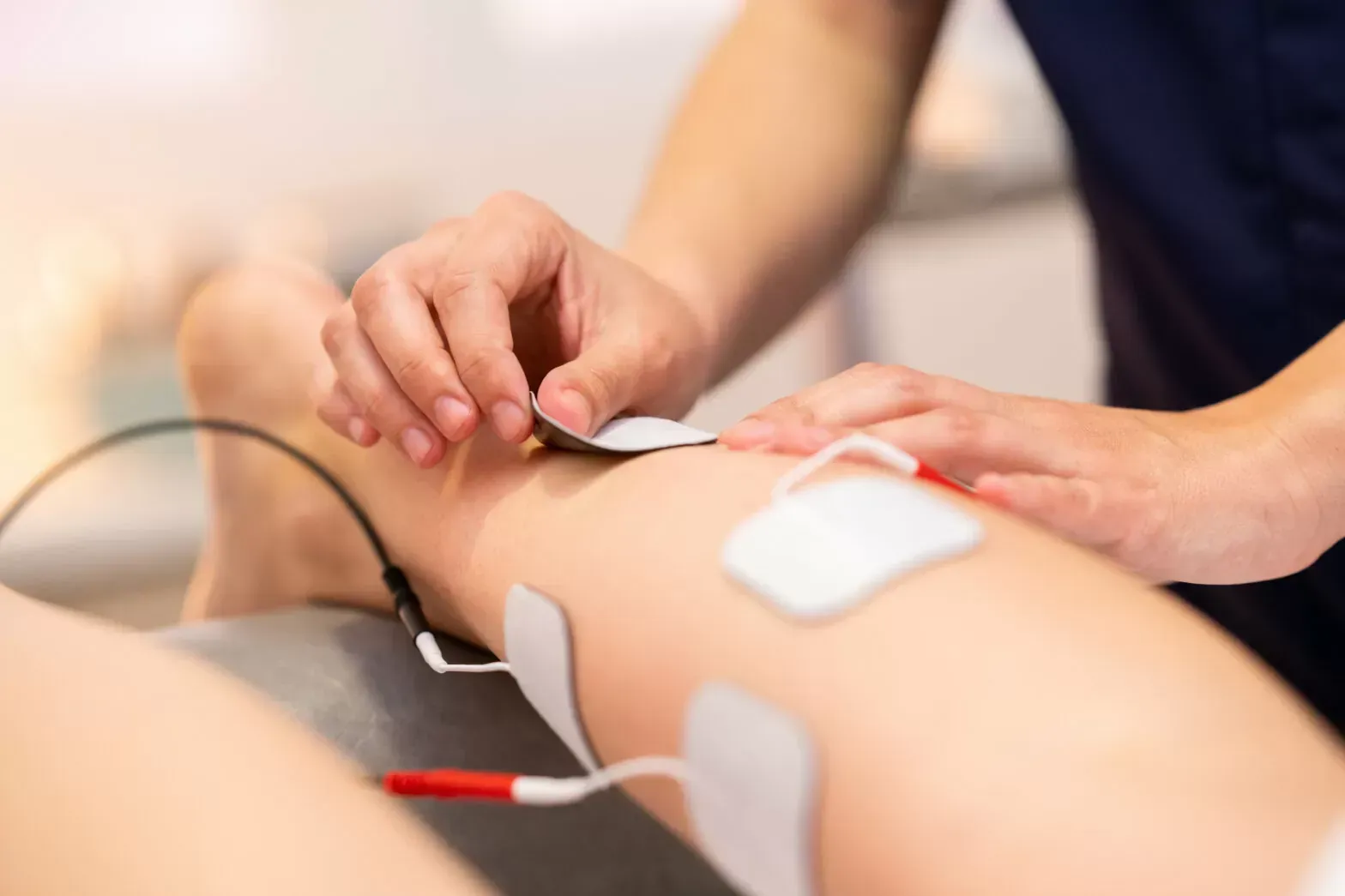
23 May Electro Shock Therapy Techniques That Medical Professionals Use
Foot and ankle pain can disrupt daily routines and limit physical mobility. Medical professionals frequently utilize various noninvasive methods to address these underlying soft tissue conditions. One such method is electro shock therapy, also known as extracorporeal shockwave therapy. Practitioners apply this specific technique to manage foot-related issues without requiring extensive surgical interventions or prolonged recovery periods.
What Is Electro Shock Therapy?
Electro shock therapy refers to an outpatient medical procedure that targets specific soft tissue injuries. Podiatrists and sports medicine specialists deploy this method to address conditions like chronic heel pain. Rather than relying on surgical incisions or systemic medication, the procedure utilizes high-frequency sound waves. These ultrasound waves penetrate the outer layers of the skin and reach the underlying injured soft tissues. The main objective of this approach is to stimulate the body’s natural tissue repair mechanisms. Medical staff may recommend this noninvasive route for individuals dealing with plantar fasciitis or similar sources of localized lower extremity pain. By avoiding the operating room, individuals bypass many of the common risks associated with traditional foot surgeries.
What Techniques Can It Involve?
The administration of electro shock therapy typically follows a clinical protocol. Upon arrival at the medical facility, the patient assumes a seated or reclined position on a standard examination table. The medical provider then applies a specialized conductive gel directly over the affected area. This gel serves as a coupling medium and allows the high-frequency sound waves to travel efficiently through the skin barrier.
The practitioner then guides a handheld medical device, known as a transducer, across the gel-covered skin. This transducer emits the sound waves and directs them deeply into the targeted soft tissue. The energy from these waves interacts directly with the injured area. This interaction is designed to increase local blood circulation and reduce localized tissue inflammation. The aim is to facilitate the growth of new, healthy cells in the damaged region.
What Should You Expect?
A standard therapy session typically lasts less than 30 minutes. The exact duration depends on the specific condition being treated, as well as the specific protocols determined by the attending medical professional. The provider then removes the residual gel and gives the patient post-treatment care instructions.
Following a session, individuals usually return to their regular daily schedules almost immediately. The initial recovery phase is relatively brief, but some distinct physical responses can occur. Patients may notice mild skin redness, temporary soreness, or heightened physical sensitivity around the treated zone. Medical providers typically advise against participating in strenuous activities for a few weeks post-treatment.
The physical outcomes of this specific therapy build up progressively over time. A few individuals might notice changes after a single visit, but the therapy is meant to be cumulative. Doctors can schedule a series of appointments to achieve the targeted clinical outcome. A standard medical treatment plan involves a few separate sessions, with each visit spaced one to two weeks apart. During these scheduled follow-up appointments, the specialist evaluates the physical area and adjusts the therapy to match the patient’s ongoing physiological progress.
Confer With a Specialist
Electro shock therapy represents just one specific tool within a much broader podiatric medical framework; exploring treatment options for persistent pain requires careful guidance from qualified medical personnel. Because every single patient possesses a unique medical history, a thorough physical examination and diagnostic review must precede any treatment decision. Asking your physician about all available noninvasive therapies will help you make an informed decision regarding your personal orthopedic health.
Sorry, the comment form is closed at this time.