

22 May The Different Types of Crowns and Bridges: Which is Right for You?
Crowns and bridges restore teeth, and they address different problems. A crown covers one damaged tooth. When a tooth is missing, a bridge fills the space because it connects to nearby teeth or implants. Your dentist will look at the tooth structure, bite, and gum health before recommending a type.
Custom Crowns
Custom crowns are made in a dental lab, and they typically take two visits. You get a temporary crown first. Since the lab shapes the crown from detailed impressions, the final fit matches the bite and gumline closely. This option is typically used for molars, front teeth, and teeth with large fractures.
Materials for crowns and bridges vary, and typical choices may include:
- All-ceramic
- Porcelain-fused-to-metal
- Gold or metal alloys
Each material has trade-offs, and your dentist will explain them. All-ceramic looks more like a natural tooth. Since metal alloys resist wear well, dentists can place them on back teeth with heavy chewing forces. Porcelain-fused-to-metal blends strength and appearance, but a dark edge may show near the gums over time.
Same-day Crowns
Same-day crowns use digital scans, and an in-office machine mills the restoration during one appointment. The visit is shorter overall. Because the office designs and makes the crown onsite, you do not need a temporary crown in many cases. This method often works well for people with tight schedules.
Not every tooth suits this method, but many single-tooth cases do. A back molar with a deep crack may need a different plan. If the bite is complex or the tooth margin sits below the gums, a lab-made crown may offer more control. Your dentist will review the scan, tooth shape, and bite pattern before choosing the process.
The location of the tooth changes the plan, but cost and time also shape the decision. Front teeth typically need close color matching. Since back teeth handle more pressure, strength guides the material choice. You may also need to choose between one longer visit and two shorter visits.
Dental Bridges
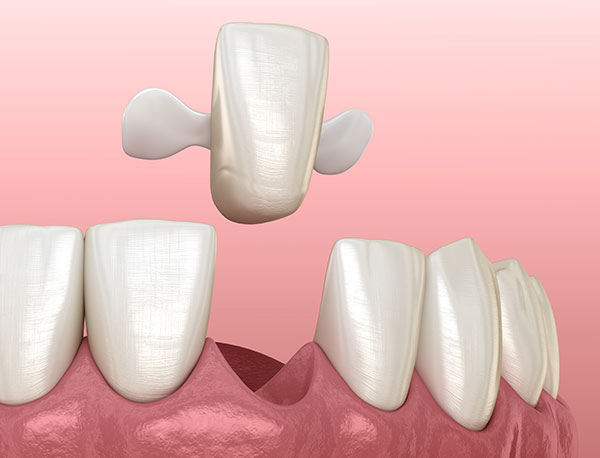
A dental bridge replaces one or more missing teeth, and it spans the empty space. The replacement tooth is called a pontic. Since the bridge needs support, a dentist anchors it to nearby teeth or to implants. This treatment changes how force moves across the bite.
There are several bridge types:
- Traditional bridge
- Cantilever bridge
- Maryland bridge
- Implant-supported bridge
A traditional bridge uses crowns on both sides, and it remains a common choice. A cantilever bridge attaches on one side only. Since a Maryland bridge uses wings bonded to the back of nearby teeth, dentists often place it in the front of the mouth. Implant-supported bridges do not rely on natural teeth, and they are used when several teeth are missing.
Specific Needs
Your oral health affects the right choice, and your dentist will check several factors. Gum disease matters. If the gums or bone are unstable, treatment may start with periodontal care before a crown or bridge is placed. Tooth grinding also matters because heavy force wears materials faster and may damage the margins.
Get Crowns and Bridges
A crown repairs one tooth, and a bridge replaces missing teeth. The right option depends on tooth condition, material choice, bite force, and treatment goals. Since each mouth has different limits, a dental exam gives the clearest path forward. Contact your dental office to schedule an evaluation and discuss crowns and bridges.
Sorry, the comment form is closed at this time.