

21 May Understanding the Process and Benefits of Laser Hair Removal
Laser hair removal uses focused light to target hair at the root. People choose it for areas with repeated shaving or waxing, and the process follows a clear treatment plan. As the laser reacts to pigment in the hair, providers assess skin and hair traits before treatment. This is how sessions work, what happens in the skin, and what results people may notice:
Initial Consultation
A provider reviews your skin and hair, and they ask about your health history. This visit sets the laser hair removal treatment plan. Since hair color, skin tone, and treatment area affect laser settings, the consultation helps guide each session. You may also discuss past hair removal methods and recent sun exposure.
Typical topics in the first visit include:
- Treatment areas
- Skin sensitivity
- Medication use
The provider may test a small area, but they also explain session timing. You receive prep steps. Since plucking removes the root, many clinics ask you to avoid it before treatment. Clear instructions help you arrive with the skin in the right condition.
Targeted Laser Pulses
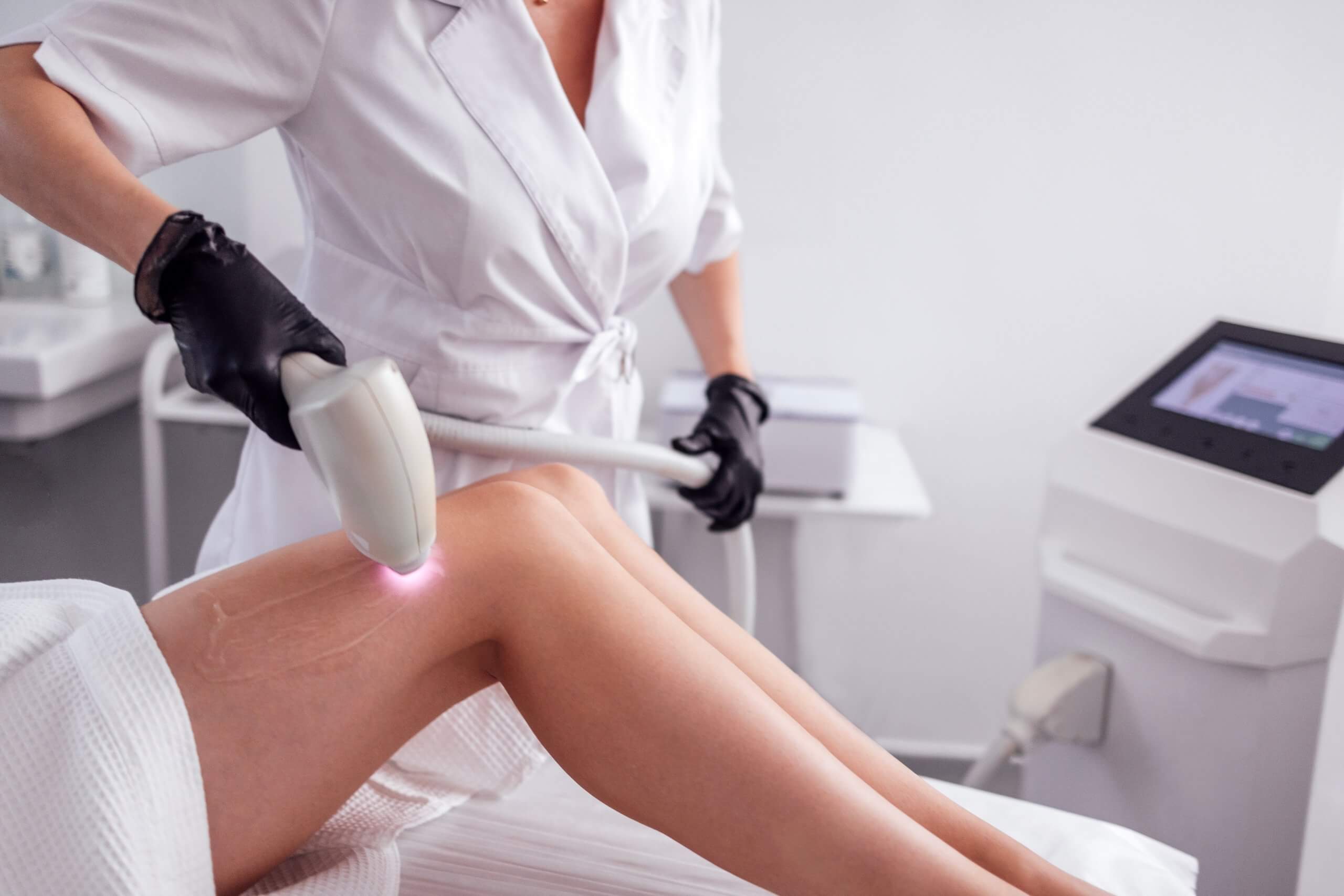
The laser delivers short bursts of light, and the pigment in the hair absorbs that energy. Staff may trim the area first. When the device moves across the skin, it targets many hairs in a controlled pattern. This step focuses on follicles that sit in an active growth stage.
People may experience:
- Warm snaps
- Brief stinging
- Mild heat
Some devices cool the skin during treatment, and that feature may reduce surface discomfort. The session length varies by area. Since the upper lip covers a small space, treatment there typically takes less time than legs or the back. Protective eyewear stays on during the full appointment.
After a session, the skin may look pink, but that response often fades soon. This is a typical side effect. When heat reaches the follicle, the body reacts at the surface for a short period. Staff typically review aftercare before you leave.
Smoother Skin
Many people notice less daily upkeep, and the skin may feel smoother between sessions. Shaving often becomes less frequent. Since repeated razor use may irritate the skin, fewer shaving days may reduce bumps in some areas. This change depends on hair type, skin response, and treatment consistency.
Destroyed Hair Follicles
Laser energy damages the follicle, and that damage affects future hair growth. Hair grows in cycles. Since not every follicle stays active at the same time, treatment plans use several sessions over a set schedule. This approach targets new follicles as they enter growth phases.
The treated hair may loosen after several days, but it does not leave the skin at once. That delay is normal. When damaged follicles stop supporting active growth, older hairs shed over time. Gentle washing and simple skin care often fit this stage best.
Results vary by person, and the body area also affects the pattern of change. Some hair returns finer. Since hormones influence growth, the face or other hormone-sensitive areas may need more follow-up than other sites. A provider tracks this progress across visits.
Schedule Laser Hair Removal
Laser hair removal follows a step-by-step process, and each stage serves a clear purpose. If laser hair removal fits your goals, schedule a consultation with a qualified provider. Ask about skin type, hair color, session spacing, and aftercare. That next step gives you specific guidance for your treatment area.
Sorry, the comment form is closed at this time.