

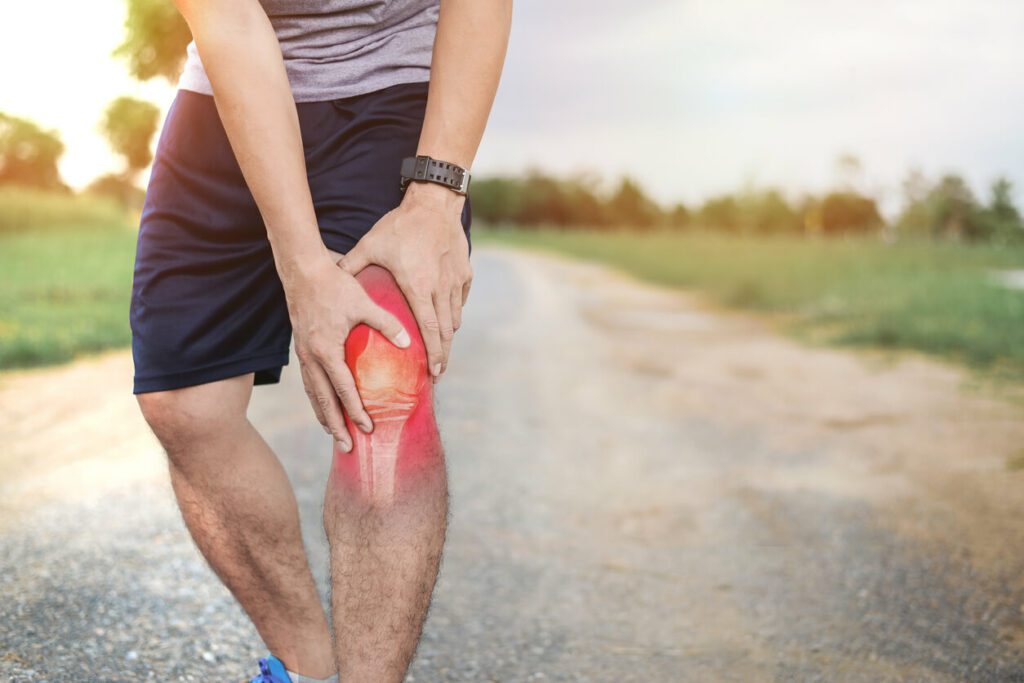
18 May Knee Pain Prevention Tips for Athletes
Knee pain prevention focuses on reducing stress on the joint during training and competition. Athletes place repeated demands on the knees through running, jumping, landing, and lifting. A practical prevention plan uses steady training and regular recovery habits. No single method can remove all risk, but the right approach helps you manage workload and support better performance over time. Here are several knee pain prevention tips for athletes:
Build Stable Strength
Strong muscles help guide and support knee movement during sports. The quadriceps, hamstrings, glutes, and calves all share the work of moving and stabilizing the body. When one area falls behind, the knee may absorb more force during repeated movement. Build strength with controlled exercises that match your sport and training level, and focus on form and balance instead of rushing through repetitions. This can help shape high-quality movement patterns over time.
Follow a Recovery Plan
Recovery gives the body and knee joints time to adapt to training. Without enough downtime, repeated stress may affect mechanics, output, and daily readiness. Recovery should be built into the schedule, not treated as an extra.
Helpful recovery habits can include:
- Scheduling rest days
- Alternating hard and light sessions
- Sleeping on a steady schedule
- Drinking enough fluids
- Eating balanced meals
- Replacing worn shoes
Footwear deserves close attention when preventing or addressing knee pain. Shoes should fit well and suit the training surface. Braces, sleeves, or inserts may play a role in some situations, but they should not replace sound mechanics and a well-structured program.
Ask About Physical Therapy
Physical therapy is not limited to care after a major injury. For athletes, it may be a helpful way to review movement quality, flexibility, strength, and training demands before knee pain becomes a larger issue. If you notice repeated discomfort during drills or sport-specific practice, ask whether a physical therapy review fits your situation.
A physical therapist may study how you squat, jump, land, or change direction. They’re also able to check joint motion and posture. This review gives athletes, coaches, and families more useful information than guessing based only on soreness or stiffness. A therapist may suggest exercise changes, warm-up adjustments, or technique cues that better match your sport and schedule.
Seek Timely Treatments When Needed
Prevention also means taking action at the right time. Avoid ignoring knee pain that lasts, returns, or increases during activity. Delaying attention may lead to altered form and reduced training quality; it also has the potential to cause additional stress in nearby areas.
Report symptoms early to an athletic trainer or healthcare professional. Give clear details about when the pain appears, which movements trigger it, how long it lasts, and whether swelling or stiffness is present. This information can support better decisions about training changes and follow-up steps. Timely treatment does not always mean stopping every activity. In some cases, it may involve modifying drills, lowering impact, reducing volume, or taking a short break from specific tasks.
Prevent and Treat Knee Pain
Knee pain prevention depends on steady habits. Build strength, recover with purpose, and respond early when warning signs appear. If you need physical therapy, follow the plan consistently and give your body time to adapt. Use these tips as part of your regular routine, and review your plan before the next training cycle begins to help prevent knee pain.
Sorry, the comment form is closed at this time.