

15 May Helpful Things To Know About Tattoo Removal
Tattoo removal is the process of reducing the appearance of unwanted tattoo ink through a series of professional laser treatments. People seek removal for many reasons, including changes in personal taste, work requirements, or a desire to revise an older tattoo. Several methods are used for tattoo removal, but laser treatment is the most common option offered in professional settings. Results vary based on the tattoo and the person, so it is helpful to understand how the process works before scheduling treatment. Here’s information on what to know about laser tattoo removal:
How Tattoo Removal Works
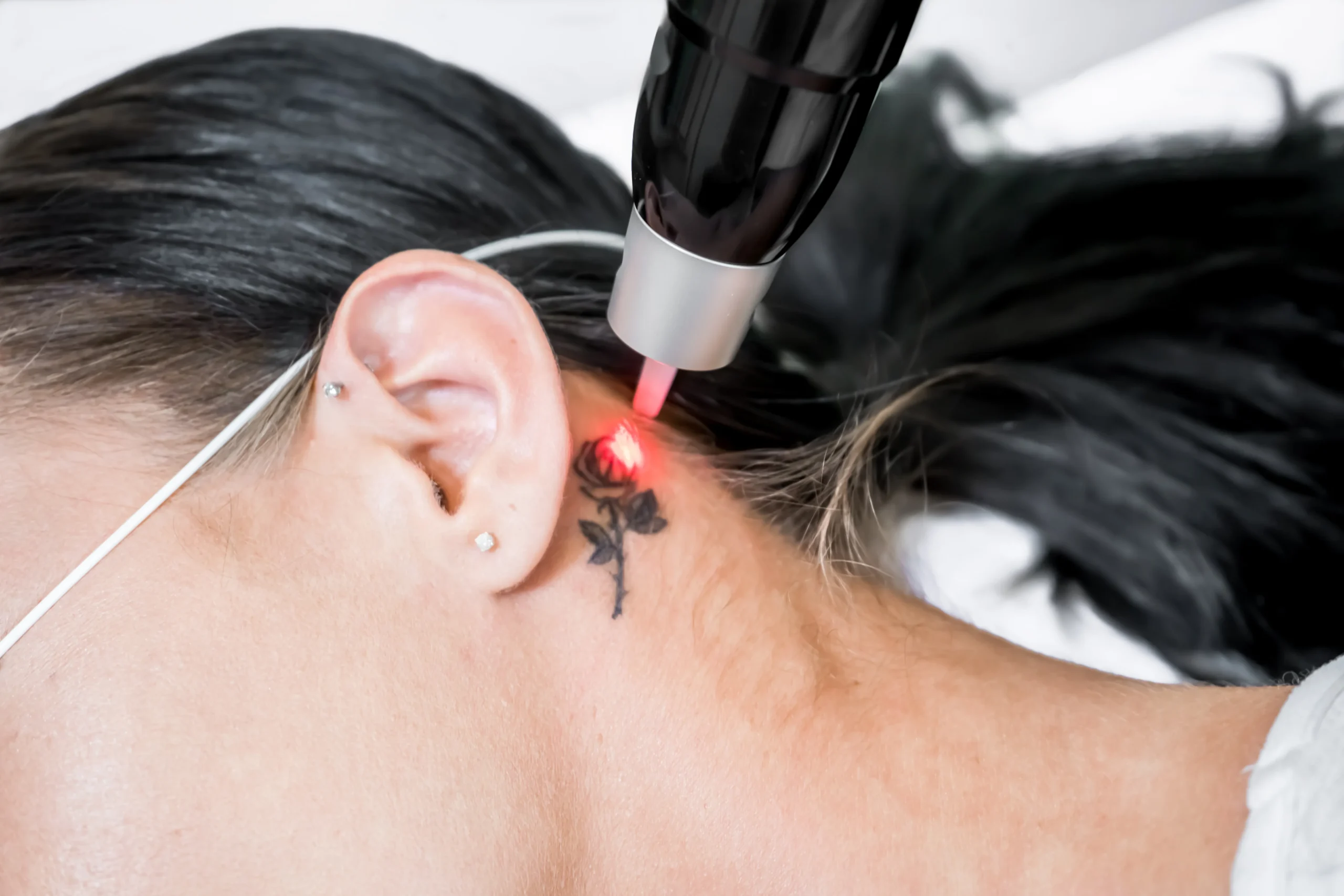
Laser tattoo removal uses focused light energy to target pigment in the skin. The energy breaks ink into smaller particles, and the body gradually clears some of those particles over time. Different ink colors respond differently, especially darker inks compared to lighter ones. Before a removal treatment, every individual will need to schedule a consultation with a tattoo removal specialist.
Not all tattoo ink or application is the same; amateur tattoos may sit differently in the skin than professional tattoos. Cover-up tattoos can also be harder to remove because they contain layered pigments. A professional consultation helps identify these details to determine an effective care plan. Other removal methods exist, including surgical excision and dermabrasion, but they are not used in most cases.
What To Expect
A consultation usually includes a review of a person’s tattoo, medical history, skin type, and any past treatments in the area. The specialist will explain the expected number of sessions and possible changes in the skin during the process. Individuals may also receive instructions on sun exposure, skin care, and preparing for treatment day. During a laser session, the provider cleans the skin and uses a handheld device to deliver pulses to the tattoo. Some people describe the feeling as quick snapping against the skin, but the exact experience varies by person and treatment area.
Session length depends on the size of the tattoo; a small design may take only a short visit, while a larger one may take longer. After a session, the treated area may look red or feel sensitive for a period of time. Aftercare includes steps like:
- Keeping the Area Clean
- Avoiding Picking or Itching the Treated Skin
- Limiting Sun Exposure
Following aftercare instructions helps support the healing process and reduces avoidable irritation.
How Long Removal Can Take
Tattoo removal takes multiple sessions rather than one appointment. The total timeline depends on several factors, including ink color, ink depth, tattoo age, skin type, body location, and the method used. Tattoos on areas with slower circulation may respond differently than tattoos on other parts of the body, and not everyone is a candidate for tattoo removal. Sessions are typically spaced apart to allow the skin time to recover between treatments. This means the full process can extend over months or longer, depending on the treatment plan. A provider can outline a general schedule, but no exact timeline fits every tattoo.
Schedule a Consultation Today
A consultation is the best place to get clear, practical information about your options. It gives you a chance to ask about the removal method, the likely number of sessions, treatment intervals, and aftercare needs. It also helps you understand which factors may affect the outcome for your specific tattoo. To learn more about removing a tattoo, contact a specialist near you. They can assess your tattoo and skin tone to determine whether laser removal is appropriate.
Sorry, the comment form is closed at this time.