

15 May How Foot and Ankle Specialists Diagnose and Treat Flat Feet
The structure of the human foot plays a primary role in supporting the body’s weight and facilitating movement. When the natural arches of the feet do not develop or collapse over time, a structural condition known as flat feet occurs. While many individuals live with this condition without experiencing negative effects, others face daily discomfort, pain, and restricted mobility. Addressing these structural changes promptly under the care of foot and ankle specialists can improve a patient’s overall quality of life.
What Is Flat Feet?
Flat feet describes a condition where the entire sole of the foot makes contact with the ground when standing. The visible arch that typically forms along the inner side of the foot is either very low or is effectively completely absent. While infants naturally lack foot arches, these structures generally form during childhood development.
Several structural, environmental, and genetic elements increase an individual’s likelihood of developing this condition. Genetic predispositions and congenital conditions, such as clubfoot, frequently contribute to missing arches. Diabetes can cause nerve damage that alters foot mechanics, and arthritis deteriorates the joints supporting the arch.
Chronic inflammation or tendon dysfunction, particularly in the posterior tibial tendon, frequently leads to adult-acquired arch collapse. Excess body weight places disproportionate stress on the lower extremities, and accelerates the breakdown of ligaments. Aging naturally weakens the tendons and ligaments over time, making older adults susceptible. Previous physical trauma also alters the foot’s structural integrity.
What Are the Symptoms?
The most frequent symptom is pain located directly in the heel or the arch area. The altered biomechanics of the foot frequently lead to overpronation; this occurs when the ankle rolls inward during walking or running. This abnormal movement pattern places abnormal strain on the surrounding muscles and ligaments. Fatigue is another common manifestation, and the foot and leg muscles may need to work harder to stabilize the body. Patients can report foot and leg fatigue after standard daily activities. The structural imbalance may also contribute to the development of secondary foot deformities, including bunions and hammertoes.
How Are They Treated?
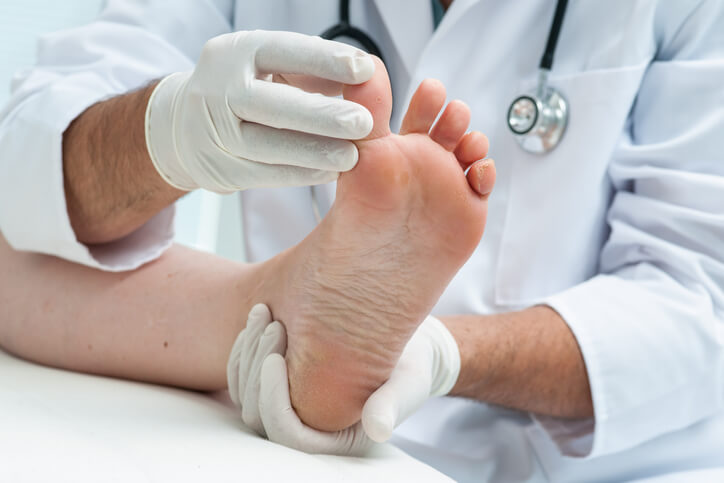
Foot and ankle specialists approach the diagnosis of flat feet through a comprehensive clinical evaluation. The process begins with a detailed review of the patient’s medical history and their current symptoms. This physical examination helps identify overpronation, areas of swelling, and specific points of tenderness. To gain a precise understanding of the internal bone structure and soft tissue integrity, specialists may utilize imaging. Specialists typically begin with conservative, non-invasive therapies. Custom orthotics are a standard intervention; these tailored shoe inserts provide specific structural support to compensate for the missing arch.
Physical therapy serves as a primary pillar of conservative management. In cases involving severe inflammation, the physician might recommend temporary bracing, activity modifications, or laser therapy to reduce tissue swelling and promote healing. When conservative therapies fail to provide adequate relief, or when a structural deformity is exceptionally severe, surgical intervention becomes an option.
Meet With Foot and Ankle Specialists
Addressing foot pain early prevents minor structural issues from developing into debilitating chronic conditions. Recognizing the signs of flat feet allows patients to seek professional evaluation before the misalignment affects the knees, hips, and lower back. A thorough assessment by a board-certified podiatrist provides clarity on the exact cause of the arch collapse and the most effective methods for managing it. By utilizing targeted therapies ranging from custom orthotics to advanced imaging, foot and ankle specialists help patients regain optimal mobility and maintain an active, comfortable lifestyle.
Sorry, the comment form is closed at this time.